

Danny drives a delivery van around Nottingham all day, so he knows what a genuine parcel looks like. The Instagram ad still nearly got him: an England World Cup shirt for £22, when the club shop wanted £85. Fake online shops are built to beat people far more careful than Danny, and they took £118.1 million from UK shoppers in 2025. Almost every fake shop shows the same warning signs, though. Learn the 8 below and you’ll spot the next one in seconds.
Fake Online Shops at a Glance
| How big the problem is | 71% of authorised fraud cases; £118.1m lost in 2025 (UK Finance) |
| Where they find you | 68% of Lloyds fraud reports start on Facebook, Instagram or WhatsApp |
| Classic giveaway | A huge discount plus a countdown timer |
| Payment red flag | Checkout wants a bank transfer or gift cards, not a card |
| Free checker | Check a Website at getsafeonline.org |
| Peak season | £11.8m lost over the festive period Nov 2024 – Jan 2025 |
| Where to report one | NCSC scam website form; Report Fraud on 0300 123 2040 |
The Three Disguises a Fake Shop Wears

Fake shops come in three costumes, and Danny’s £22 shirt wore the second. The first is the clone: a copy of a real brand’s logo, layout and product pages sitting on a lookalike address, like the National Cyber Security Centre’s own example “www.tescos-sales.com”. The second is the invented boutique, a shop nobody has heard of that exists mainly as adverts; Lloyds says 68% of its customers’ fraud reports begin on a Meta platform such as Facebook or Instagram, where scam ads cost its customers an estimated £66 million a year. The third is the marketplace ghost seller, a fresh account offloading phones, tickets or car parts that never arrive. Whatever the costume, our step-by-step checks for whether a website is legit strip it off in about a minute.
A Price That Begs You Not to Think

Every fake shop leads with the same bait: a price that makes you reach for your card before your brain catches up. Trading Standards spent the summer warning football fans about exactly this, because genuine World Cup replica shirts cost roughly £60 to £120, and the £20 versions flooding social media ads and marketplace listings are counterfeit or simply never posted. The pattern repeats across garden furniture, trainers, consoles and concert tickets. A YouGov survey found too-good-to-be-true prices would put off 61% of UK shoppers, which means 39% keep scrolling towards the checkout. Treat a discount of more than about half off, from a shop you’ve never heard of, as a question rather than a gift. The same caution applies when buying safely on Facebook Marketplace, where bargains and ghosts share the same feed.
The Countdown Clock That Never Reaches Zero

Danny noticed the timer next: “Offer ends in 09:47”. Refresh the page and many of these clocks simply start again, because their only job is panic. Which? lists pushy language and countdown timers among the clearest signs of a scam site, and researchers who track fake boutiques keep finding the same copy-paste sob stories, with “closing-down sale” and “last chance, everything must go” pasted word for word across dozens of unconnected shops. Real retailers run sales too, but they don’t need you to buy in the next 9 minutes. Urgency is the oldest tool in the scammer’s bag, the same trick behind fraudulent texts, which is why it pays to know how to forward scam texts free to 7726. When a page pressures you to hurry, do the opposite.
Nobody Home Behind the Shopfront

Scroll to the bottom of any shop before you buy, because the footer is where fakes fall apart. A real UK retailer shows a street address, a phone number or proper email, and full pages for returns, delivery, terms and privacy. A fake shop offers a contact form that goes nowhere, an address that’s only a PO box, and policy links that are broken, empty or copied from another site with the wrong company name still in them. Citizens Advice says to look for a street name, not just a box number. Watch the trust badges too: Which? warns that fake shops paste on padlock logos and award seals that look official but can’t be verified with the organisation that supposedly issued them. If you can’t see who to check who really runs a website against, nobody’s home.
Borrowed Photos and Brand-New Domains

The pictures on Danny’s shirt site looked professional, and that’s the trap: they were someone else’s. Fake shops steal product photos from real brands or reuse the same images across dozens of storefronts, which a free reverse-image search on TinEye exposes in seconds. Increasingly they generate photos with AI instead, and the tells are odd hands, warped logos and fabric textures that don’t quite behave. Then there’s the site’s birthday. A quick who.is lookup shows when a domain was registered, and a boutique claiming “trusted since 2015” on an address created 3 weeks ago is lying to you. A .co.uk ending proves nothing about where the seller sits, either. We’ll cover spotting AI-generated product photos properly in a later guide; for now, doubt any shop whose pictures are prettier than its paperwork.
A Checkout That Only Takes a Bank Transfer
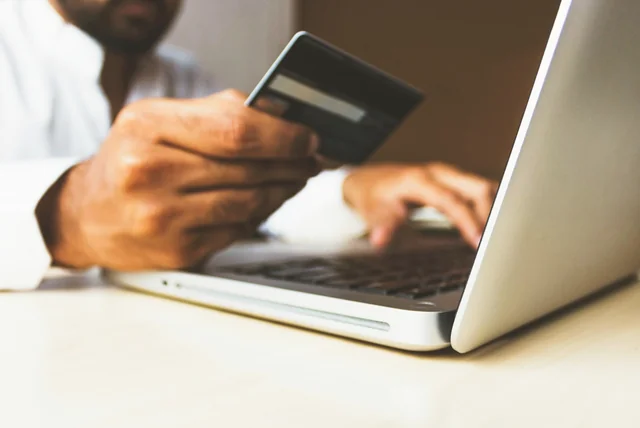
The till is where a fake shop finally tells the truth. The NCSC’s shopping guidance is blunt: never pay an unfamiliar shop by direct bank transfer, because a transfer moves your money instantly to an account the scammer controls. Genuine retailers take cards through a normal checkout; fakes push you towards “payment by BACS”, gift cards, vouchers or wiring services like Western Union, precisely because those routes are hard to reverse. Some show a card form that mysteriously “fails”, then email friendly bank details instead. Paying by credit or debit card keeps real protections on your side if the parcel never comes, while a transfer leaves you relying on your refund rights after a bank transfer scam. If a shop’s only working payment button is a bank transfer, close the tab.
Why November Is Their Favourite Month

Fake shops follow the retail calendar more faithfully than any real shop does. City of London Police figures published by the NCSC show £11.8 million was lost to online shopping fraud across the festive season from 1 November 2024 to 31 January 2025, when Black Friday deals train us all to expect silly prices and buy fast. That’s the moment cloned sites and ad boutiques multiply, dressed as everyone’s sold-out gift. The NCSC’s advice for the rush, on its official online shopping guidance, is calm and practical: research unfamiliar retailers first, check out as a guest rather than saving your card details, and switch on 2-step verification for your email and payment accounts. We’ll share a full plan to avoid scams on Black Friday nearer the day. Until then, treat November bargains to double checks.
Ordered From One Already? Move Today

Maybe you’re reading this with a tracking number that hasn’t moved for a fortnight. Act now rather than waiting another day. Phone your bank first, on 159 or the number on your card, explain what you bought and how you paid, and ask about reversing the payment through chargeback or, for credit card purchases over £100, Section 75. Next, report the shop: reporting a scam to Report Fraud takes minutes at reportfraud.police.uk, or call 0300 123 2040 on weekdays between 8am and 8pm; in Scotland, tell Police Scotland on 101. Finally, paste the shop’s address into the NCSC’s scam website form so it can be taken down. The NCSC had removed 454,800 scam URLs by July 2026. Keep every ad, email and receipt as evidence.
The Ten-Second Habit
Danny never bought the £22 shirt. He counted the signs instead: an ad shop, a mad discount, a countdown, no address, bank transfer only. Three red flags before he’d even scrolled. That’s the whole trick with fake online shops: they look flawless for the first 10 seconds and fall apart in the next 20. Run this checklist over the next unfamiliar shop that tempts you, this week if possible, and let the too-good deal become someone else’s cautionary tale rather than yours.
Frequently Asked Questions
How can I tell if an online shop is fake?
Look for huge discounts, countdown timers, missing contact details, broken policy pages, copied photos and a checkout wanting bank transfer. Two or more signs together means walk away.
Why do fake online shops only accept bank transfer?
Bank transfers move money instantly and are hard to reverse, unlike card payments. Any unfamiliar shop refusing cards and requesting a transfer or gift cards is a scam.
Are shops advertised on Instagram and Facebook safe?
Not automatically. Lloyds says 68% of its customers’ fraud reports start on Meta platforms. Research any advertised shop independently before you pay, and always use a card.
Are fake online shops more common at Black Friday?
Yes. Police figures show £11.8 million was lost to online shopping fraud over the festive season from November 2024 to January 2025, when scam sites multiply.
Can I get my money back if I ordered from a fake online shop?
Often. Contact your bank quickly and ask about chargeback or Section 75, then report the shop to Report Fraud on 0300 123 2040 for a crime reference.
Disclaimer: This article is general information, not financial or legal advice. If you have been scammed, contact your bank and the official services named above. Figures and contact details were correct as of September 2026.
1 thought on “Fake Online Shops: Warning Signs to Look For”
Comments are closed.