

The washing machine was a bargain at £190, and the seller seemed lovely right up until the listing vanished. Grace, a school cook in Cardiff, sat at her kitchen table at 9.15pm wondering who you even tell about a thing like this. If you searched for Action Fraud this year, you’ll have noticed a new name: Report Fraud, the national service for reporting scams in England, Wales and Northern Ireland. Here’s how to report fraud properly, and what genuinely happens after you press send.
Report Fraud at a Glance
| Website | reportfraud.police.uk – online reporting 24/7 |
| Phone | 0300 123 2040, Monday–Friday 8am–8pm |
| Replaced Action Fraud | 4 December 2025; full public launch 21 January 2026 |
| Covers | England, Wales and Northern Ireland (Scotland: dial 101) |
| What you get | A crime reference number, usually within minutes |
| Crime happening right now | Call 999, not Report Fraud |
| Free support | Victim Support, 0808 168 9111, open day and night |
Action Fraud Is Gone, Meet Report Fraud
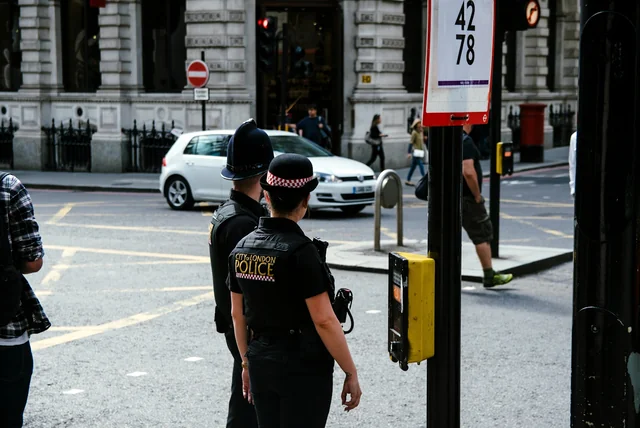
Grace typed “Action Fraud” into her phone and landed somewhere new. On 4 December 2025 the old service was switched off and visitors were redirected to Report Fraud, run by the City of London Police, with a full public launch on 21 January 2026. The phone number survived the move: 0300 123 2040, same as before. The rebrand wasn’t cosmetic. Victims had nicknamed the old service “Inaction Fraud”, and a 2022 Justice Committee report bluntly called it unfit for purpose, so the systems behind it were scrapped rather than patched. Reporting a scam is a different job from flagging a dodgy message, mind you — how to report a scam text covers the free 7726 route for texts that haven’t cost you anything yet.
What the New Service Promises to Do Better

Three things changed under the bonnet. There’s a new contact centre and online reporting tool, a National Crime Analysis Service called N-CAS that every police force in England, Wales and Northern Ireland can see into, and an expanded Victim Service built on the old National Economic Crime Victim Care Unit. The stated aims are plain enough: make reporting quicker for everyone, keep victims better informed about the status of their reports, and tell you when your information has helped protect somebody else, something Action Fraud never did. Better signposting matters too, so a tax scam gets pointed at HMRC rather than lost. If a fraudster already has your card number, deal with the bank first; our guide for anyone who gave a scammer your bank details walks through that first hour.
Get Your Evidence Together First

An online report takes roughly 20 minutes, and it flows much faster with everything in front of you. Grace spent ten minutes making a folder before she started, which is exactly the right instinct, because scam pages vanish fast; the fake payment sites behind the Royal Mail “delivery fee” text scam often live for barely a day. Create an account rather than reporting as a guest and you can save a half-finished report, add details later and track its progress. Gather these before you begin:
- A timeline with dates: first contact, payment, the moment it went wrong
- Amounts, plus the sort code and account number you paid into
- Phone numbers, email addresses and website links the scammer used
- Screenshots of messages, adverts and listings before they disappear
Reporting Online or by Phone, Step by Step

The quickest route is the official Report Fraud site, open around the clock. The tool asks simple guided questions — what happened, when, what you lost — and advisors are available 24 hours a day through the site if you get stuck. Prefer a voice? Call 0300 123 2040, Monday to Friday, 8am to 8pm; deaf and hard-of-hearing users can use Relay UK on 18001 then 0300 123 2050. Reporting is free apart from your normal call charge. One border to know: the service covers England, Wales and Northern Ireland only, so in Scotland you report to Police Scotland on 101. And if the scam started with a dodgy link on your phone, sort the device too — see what to do if you clicked a scam link.
What Your Crime Reference Number Actually Does

Minutes after Grace submitted her report, a crime reference number arrived by email. Write yours down somewhere safe, because it opens doors. Your bank may ask for it when you claim a refund, and the reimbursement rules for authorised push payment scams expect you to consent to a police report, so having one already strengthens your file. Insurers usually want a reference before they’ll process a fraud-related claim. It also sits neatly alongside Cifas Protective Registration, the £30, two-year warning flag that makes lenders double-check anyone applying in your name. And if your bank turns a fair claim down, quoting the number when you go to the Financial Ombudsman Service shows you did everything by the book. One number, several locked doors opened.
Where Your Report Goes Next

Press send and your report travels to the National Fraud Intelligence Bureau, the assessment arm run by the City of London Police. Analysts there don’t read your report in isolation; the N-CAS system matches it against thousands of others, hunting for repeated bank accounts, phone numbers and websites. A wave of reports sparked by the same fake HMRC refund text can be knitted together into one case even though every victim lost a different amount. Decisions about investigation can take up to 28 days. If there are viable leads, your case is passed to a police force, usually your local one, which must then give you a named point of contact and agree how you want to be kept updated.
The Honest Truth About Investigations

Now for the part most guides skip. The Crime Survey estimated 4.1 million fraud incidents in England and Wales in the year to June 2025, yet the old service captured only 302,280 reports, and in the year to March 2025 just 50,715 recorded fraud offences, about 4%, were referred to police forces. Charges followed in only 5,530 cases. Suspects sitting overseas and thin evidence are the usual reasons a report goes no further. Your money doesn’t wait on a prosecution, though: a bank transfer scam refund comes from your bank under the reimbursement rules, investigation or not. Reports still bite in quieter ways — takedowns built on public reports had removed 454,800 scam URLs by July 2026, according to the NCSC’s reporting page.
When Report Fraud Is the Wrong First Call

Sometimes the new service should be your second or third call. A crime happening right now, a scammer at the door, anyone in danger: that’s 999, immediately. If you know the suspect and they’re local, perhaps a rogue trader still working your street, 101 gets your own force involved directly. Money moving out of your account beats everything; ring your bank on 159 before you write a single word of a report, because payments can sometimes be stopped in the first hours. A scam text that cost you nothing just needs forwarding to 7726. Businesses get one extra route: an organisation under a live cyber attack can call 0300 123 2040 at any hour, seven days a week. If identity documents were taken, it’s also wise to freeze your credit file afterwards.
What Grace’s £190 Bought Everyone Else
Grace never saw her washing machine, and honesty says she may not see the £190 unless her bank refunds it. Her twenty minutes still counted. Somewhere in N-CAS her report is one thread among thousands helping analysts pull down the accounts and websites behind the next scam. That’s the real answer to how to report fraud since Action Fraud became Report Fraud: quickly, with evidence, and without shame. Lost money to a scam this year? Report it this week.
Frequently Asked Questions
Is Action Fraud still running?
No. Action Fraud closed on 4 December 2025 and Report Fraud replaced it, run by the City of London Police, keeping the same 0300 123 2040 phone number.
What happens after I report to Report Fraud?
You get a crime reference number, analysts match your report against others, and within about 28 days it’s either passed to a police force or kept as intelligence.
Will the police investigate my fraud report?
Honestly, most reports aren’t individually investigated; only around 4% of recorded frauds reach police forces. Every report still feeds takedowns, warnings and pattern-matching that stop repeat scams.
Do I need a crime reference number to get a refund from my bank?
Not strictly, but banks often ask for one, and the push payment reimbursement rules expect you to consent to a police report, so reporting first helps your claim.
How do I report fraud in Scotland?
Report Fraud only covers England, Wales and Northern Ireland. In Scotland, report fraud to Police Scotland by calling 101, or 999 if a crime is happening now.
Disclaimer: This article is general information, not legal or financial advice. Fraud reporting services and refund rules change; check reportfraud.police.uk or your bank for your situation. Figures correct as of September 2026.