
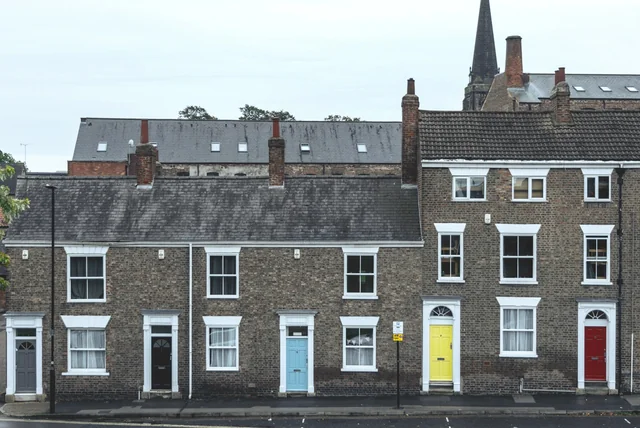
Aisha, a nurse in Sheffield, was watering pots in her new front garden when her neighbour Margaret leaned over the fence with a puzzled question. Why was Aisha’s council tax £15 a month more, when their 1930s semis were built from the same bricks by the same builder? The answer sat in one letter on a government database. It takes about two minutes to check your council tax band online, it costs nothing, and what you find can change what you pay for years.
Council Tax Bands at a Glance
| Where to check (England & Wales) | Free band checker on GOV.UK, by postcode |
| Where to check (Scotland) | Scottish Assessors website, saa.gov.uk |
| The bands | England A–H (1991 values), Wales A–I (2003 values), Scotland A–H (1991 values) |
| Who sets the band | Valuation Office (part of HMRC since April 2026); local assessors in Scotland |
| Challenge decision time | Up to 4 months for a formal proposal, up to 12 months for a band review |
| The risk | A challenge can move your band up as well as down |
| Average Band D bill (England, 2026/27) | £2,392 a year |
The Two-Minute Check That Costs Nothing

Aisha did the check that evening with a cup of tea and her phone. She opened the official GOV.UK band checker, typed her postcode, and got a list of every address on her street with its band beside it. The tool covers England and Wales, it is free, and you don’t need to sign in, which makes a nice change from HMRC services that ask for a Government Gateway account before showing you anything. Watch out for copycat “band checker” websites that repackage the same public data and try to sell you a property report. Aisha’s semi came up as band D. Margaret’s, two doors down and outwardly identical, was band C. Same street, same bricks, different letter.
What Your Band Actually Says About Your Home
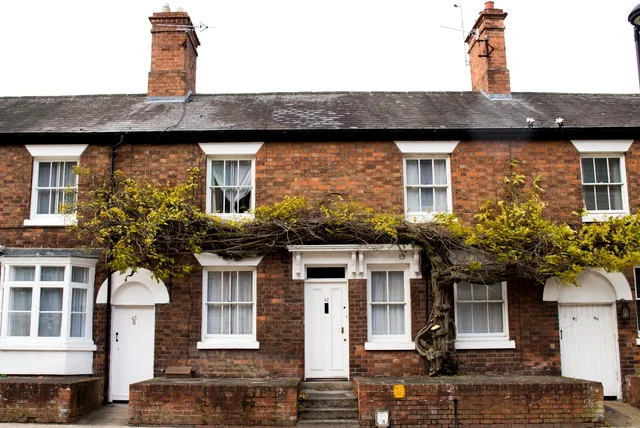
Here’s the strange part: your band has almost nothing to do with what your home is worth today. Every property in England sits in a band from A to H based on what it would have sold for on 1 April 1991. Wales uses nine bands, A to I, pegged to values on 1 April 2003. Those 1991 valuations were done at enormous speed across millions of homes, and plenty of properties were placed a band too high or too low, then never looked at again. A loft conversion or a hot local market since then changes nothing until the property is sold. The band simply decides which row of your council’s charges table applies to you, and understanding what your council tax actually pays for starts with that one letter.
Scotland and Wales Play by Different Rules

When Aisha’s sister in Glasgow tried the GOV.UK tool, it politely turned her away. Scotland runs its own system: bands A to H, still based on 1991 values, but set by local assessors rather than the Valuation Office, and checked on the Scottish Assessors website instead. Challenges there go to your assessor, generally within six months of becoming the owner or the person liable. Wales is different again. As the only UK nation to have revalued since the system began, its bands rest on 2003 prices and stretch to band I. A full Welsh revaluation was planned for 2028 under the Local Government Finance (Wales) Act 2024, though ministers said in 2026 they were reviewing the timetable, so Wales’s 2028 council tax revaluation is one to watch.
The Neighbour Check Aisha Did First
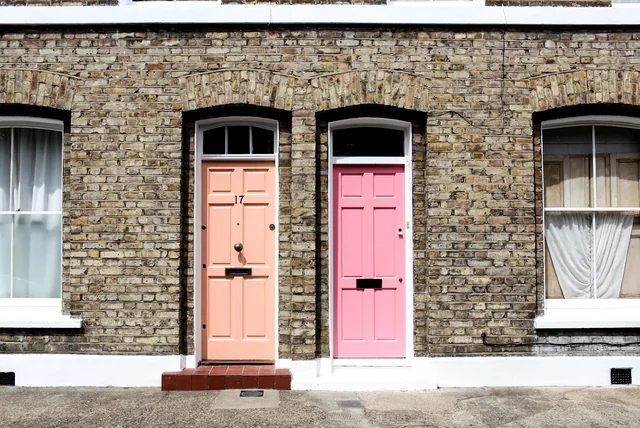
Before firing off a complaint, Aisha did what the Valuation Office itself recommends: she built a proper comparison. The rules are specific. You can put forward up to five comparable homes, and they should genuinely match yours: houses compared with houses, flats with flats, built in the same era, within roughly 10% of your floor area, and on the same street or estate, or within 10 miles if you live rurally. Sale prices help too, but only from the right window, between 1 April 1989 and 31 March 1993 in England, or 1 April 2001 and 31 March 2005 in Wales. Screenshots from house price calculators get rejected as too broad. Aisha found three matching semis in band C, the sort of evidence that wins a band challenge, and wrote each address down.
The Six-Month Rule Every New Occupant Should Know

Timing mattered more than Aisha realised. Because she had been paying council tax on the house for less than six months, she had a legal right to make a formal challenge, called a proposal, through the Valuation Office. That right also applies if your band was changed in the past six months, if the property has been split, merged or changed use, or if the area around it has physically changed. Miss the window and you can still ask for a band review, but you lose the right to appeal a refusal. A proposal decision takes up to 4 months, a review up to 12. So while you’re registering to vote at your new address and finding out how to submit a meter reading online, put the band check on the same moving-in list.
The Honest Bit: Your Band Can Go Up

No sensible guide skips this warning. When the Valuation Office reviews your band, it can conclude the 1991 value was set too low and move you up. It can even review the neighbours you named, so a careless challenge can raise bills along a whole street. The latest published figures should steady your nerves, though. In 2023/24, of 39,590 challenges resolved, 10,530 households were moved down, roughly one in four, while just 30 went up. An increase is never backdated, it only applies from when your council is told, whereas a reduction brings a refund of what you overpaid, and how council tax refunds are paid is handled by your council rather than the Valuation Office, which has been part of HMRC since April 2026.
Band vs Bill: Same Letter, Different Money

Margaret’s lower band explained part of her smaller bill, but not all of it, because the band is only half the sum. Each council sets its own charge for every band each spring, which is why the average Band D household in England pays £2,392 in 2026/27, up £111 or 4.9% on last year, while individual councils sit far above or below that. The find-your-local-council postcode tool on GOV.UK takes you straight to your own council’s rates. That same council website is where the discounts live: 25% off if you live alone, or if everyone else in the home is disregarded, full-time students, under-18s, live-in carers and apprentices earning under £195 a week among them, and 50% off if everyone is disregarded. It is also where you appeal a council parking fine.
Refund Texts, Claim Firms and Other Traps

Weeks after moving in, Aisha’s phone buzzed: “GOV.UK: you are owed a council tax rebate of £148, click to claim.” She nearly did. Councils from Wandsworth to South Tyneside have warned about exactly these messages, which lead to fake forms that harvest your bank details. Some fraudsters phone instead, posing as the council, the Valuation Office or an invented “Tax Recovery Bureau”, quoting fees of around £150 to fix a band. Real refunds arrive through your council with no link, no fee and no card details. Forward suspect messages to 7726 and read how to report a scam text, because the playbook is the same one behind fake parking fine texts. Claim firms are legal but pointless: they charge a cut for a process that is free.
Five Minutes at the Kitchen Table
Aisha lodged her proposal with three comparable addresses and now waits on the Valuation Office, refund rules on her side if she wins. Margaret, for her part, is saying nothing to anyone. Whether you have lived in your home for six months or thirty years, check your council tax band online this week, compare it with the homes that match yours, and only challenge when the evidence stacks up. Two minutes of curiosity at the kitchen table is the cheapest financial check-up you’ll do this year.
Frequently Asked Questions
How do I check my council tax band for free?
Use the GOV.UK band checker for homes in England and Wales, or the Scottish Assessors website for Scotland. Enter your postcode; no account or payment is needed.
Why is my neighbour’s council tax band lower than mine?
Their home may be smaller, older or extended after banding, or one of you was banded wrongly in 1991. Compare genuinely similar properties before assuming a mistake.
How long does a council tax band challenge take?
The Valuation Office aims to decide a formal proposal within 4 months and a band review within 12. Tribunal appeals in England add up to 3 more months.
Can my council tax band go up if I challenge it?
Yes, though rarely: just 30 bands rose out of 39,590 challenges resolved in 2023/24. Strong evidence from similar homes keeps that risk very small.
Do I get a council tax discount if I live alone?
Yes, adults living alone get 25% off their bill. Apply through your local council, as the discount is not applied automatically when you move in.
Disclaimer: This article is general information, not financial or legal advice. Council tax rules, figures and deadlines change, so confirm details on GOV.UK, the Scottish Assessors website or with your local council before acting. Figures correct as of September 2026.