

The email lands at 7:42am. Amara, a care assistant in Sheffield, has the job she wanted, and the manager needs just one thing before Friday: her right to work share code. Her stomach drops, because it sounds like paperwork, queues and waiting rooms. It isn’t. A right to work share code is a free nine-character code from your UKVI account, and generating one takes about ten minutes with a cup of tea. Here is exactly how it works, who needs one, and what to do when the system misbehaves.
Right to Work Share Codes at a Glance
| What it is | A 9-character code proving your right to work, usually starting with W |
| Who needs it | Non-British and non-Irish citizens with a UK eVisa or other digital status |
| Cost | Free from GOV.UK, always |
| Valid for | 90 days, reusable as often as you like |
| Where to get it | gov.uk/prove-right-to-work, through your UKVI account |
| What your employer needs | The code plus your date of birth |
| Where employers check it | gov.uk/view-right-to-work |
What a Right to Work Share Code Actually Is

Think of the code as a temporary key to one page of your immigration record. It is nine characters long, mixes letters and numbers, and a right to work version normally begins with W. Codes beginning with R are for renting a home, and a general status code will not prove your right to work at all, so pick the work option when you generate one. Each code lasts 90 days, and within that window you can hand the same code to five different employers if you want, then generate a fresh one for free whenever you need it. The code exists because physical immigration documents are being retired in favour of digital records, part of the UK’s wider shift to digital ID that has been reshaping how we prove who we are.
Who Needs One, and Who Can’t Get One
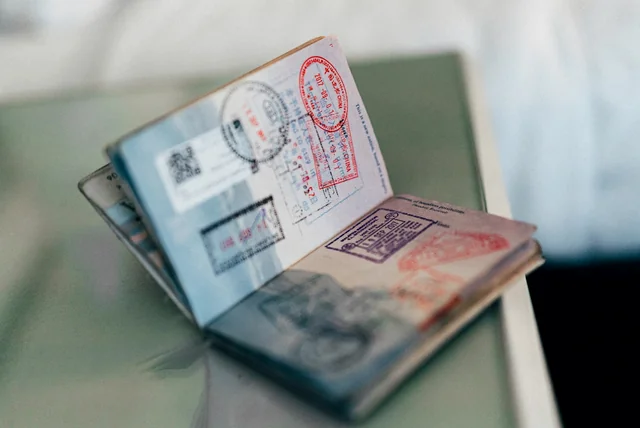
Amara moved from Lagos on a Health and Care Worker visa, so she proves her right to work with a share code, and the same applies to Skilled Worker visa holders, students, family visa holders, refugees with digital status, and EU citizens with settled or pre-settled status. Her flatmate Josh, born in Doncaster, cannot get a share code at all. British and Irish citizens prove their right to work with a passport instead, and an expired one still counts for this purpose. No passport? A birth certificate plus an official letter showing your name and National Insurance number, from HMRC, DWP or a previous employer, does the same job. If your passport has been gathering dust for a decade, it may be time to apply for or renew a passport online anyway.
Getting Your Code, Step by Step

Start at the official GOV.UK prove right to work page and choose to get a share code online. You sign in with your UKVI account, which is a separate login from your Government Gateway account and from the newer system we will unpack in GOV.UK One Login explained. Signing in takes your passport, national identity card, biometric residence card or expired BRP, or your UKVI customer number, plus access to the phone or email registered on the account, because a security code is sent there. Once inside, choose what you want to prove, select work, and the nine-character code appears on screen and lands in your email. The code also stays in your account if you lose the email. Send it to your employer with your date of birth, and your part is done, with no printer, no appointment and no fee involved.
What Your Employer Does With Your Code

Across town, Amara’s new manager types the code and her date of birth into the GOV.UK employer checking service. The screen shows her photo, the types of work she can do and any time limit on her permission, and the manager confirms the photo matches the person she interviewed. Employers keep a copy of that check for the whole employment plus two years afterwards, and they follow the Home Office playbook on right to work checks for employers very carefully for one simple reason: hiring someone without a correct check can cost up to £45,000 per worker for a first breach and £60,000 for a repeat. The rules also protect you, because an employer cannot reject your application just because you offered an eligible immigration document instead of a share code.
Never Pay for a Share Code

Search for share code online and adverts sometimes appear above the official service, dressed up in reassuring blues and crests, offering to arrange your code for £30 or more. These copycat sites sell you nothing you cannot do yourself in minutes, and the worst of them harvest passport details for fraud. The genuine service is free, full stop, and it lives only on web addresses ending gov.uk. Before typing your documents into any site, take thirty seconds to check a website is legitimate: look at the full address bar, not the advert text. Amara nearly clicked a paid ad at the bus stop, then noticed the address ended .org.uk rather than .gov.uk and closed the tab. That one glance saved her £42 and a stolen passport number.
The eVisa Switch and Its Growing Pains

Behind every share code sits an eVisa, the digital record that replaced physical immigration documents. Biometric residence permits stopped being produced on 31 October 2024, almost all of them expired on 31 December 2024, and from 2 June 2025 an expired BRP stopped being valid for travel, though using your eVisa at the border is a story of its own. The transition has not been smooth. Through 2025 and into 2026, people have reported being unable to access their eVisa after creating an account, seeing the wrong status displayed, and hitting technical errors when generating share codes. Keep your old BRP even so, because an expired card can still be used to set up and access your UKVI account for around 18 months after expiry, and it helps with future applications.
When the Screen Shows the Wrong Status

Two days before her start date, Amara’s eVisa briefly showed the wrong visa expiry, and her heart rate matched it. The fix exists: GOV.UK has a report an error with your eVisa webform for wrong names, photos, dates, conditions or status, and for the odd situation where you can see your eVisa but no code will generate. You can also update passports, addresses and phone numbers yourself through your UKVI account, or ring the UKVI Resolution Centre on 0300 790 6268 when stuck. Tell your employer what is happening, because checks can still be completed while an in-time application is outstanding. Sign-in gremlins are hardly unique to immigration services, and the tricks in our guide to a Government Gateway that will not work apply here too.
Ten Minutes That Get You Hired
Amara sent her code on Tuesday, her manager checked it by Wednesday, and she started on Monday with nothing printed, posted or queued for. That is the whole trick of the right to work share code: free, nine characters, valid for 90 days, generated from your UKVI account whenever a job needs it. One code covers every application in its three-month life. If you hold an eVisa, sign in this week and check your details before an offer letter is riding on it. Ten calm minutes now beats a frantic Friday later.
Frequently Asked Questions
How long does a right to work share code last?
A share code lasts 90 days from the day you generate it, and you can reuse the same code with different employers as often as needed.
Is getting a share code free?
Yes, completely free through GOV.UK and your UKVI account. Any website charging a fee to arrange a share code is a copycat service best avoided.
Can British citizens get a share code?
No. British and Irish citizens cannot get one and prove their right to work with a passport, even an expired one, or a birth certificate plus official letter.
Can I use my work share code to rent a flat?
No. Right to rent needs its own code, usually starting with R rather than W, and rent checks only apply to properties in England.
What does my employer see when they check my code?
They see your photo, the types of work you are allowed to do and any time limit on your permission, nothing more from your immigration file.
Disclaimer: This article is general information, not immigration or legal advice. Rules, penalties and services change, so check GOV.UK or a regulated immigration adviser for your own situation. Details are correct as of September 2026.