
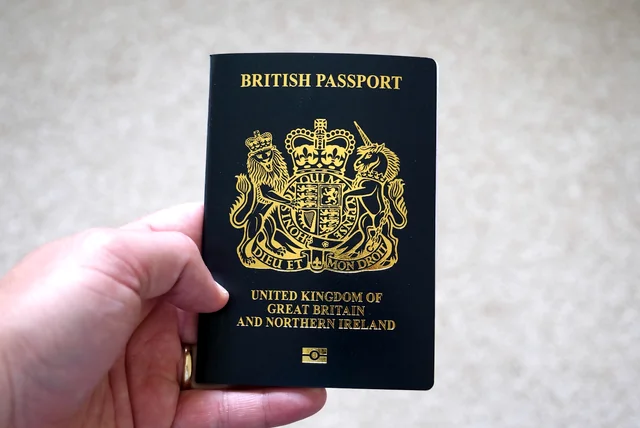
Every morning at the number 12 bus stop, Kelly does the same three taps on her phone. The 24-year-old hairdresser from Sunderland applied for her first adult passport five days ago, and checking her passport application status has become as automatic as checking the weather. Same screen, same blue banner, same word: processing. If you’re refreshing that page too, this guide explains what the tracker is really telling you, why it goes quiet for weeks, and exactly when picking up the phone beats staring at it.
Passport Application Status at a Glance
| Official tracker | www.gov.uk/track-passport-application — free, no account needed |
| Who can track online | References starting PEX (applied online) or POD (Post Office Digital Check & Send) |
| Paper applications | No online tracking — call the Passport Adviceline on 0300 222 0000 |
| Standard wait | Up to 3 weeks, counted from when HM Passport Office receives your details |
| Current online fee | £102 adult, £66.50 child (£13.50 cheaper than the paper form) |
| Delivery | Royal Mail, Monday to Saturday — allow 2 working days after the dispatch notice |
| Golden rule | Don’t book travel until the passport is in your hand |
First, Find Your Reference Number

Kelly nearly binned the one email that matters. When you finish applying for a passport online, HM Passport Office sends a confirmation email containing a reference that starts with the letters PEX. That code is your key to the official GOV.UK tracking page, so star the email or screenshot it. Applied at a Post Office using Digital Check & Send, where staff took your photo? Your reference starts with POD instead, and the same tracker accepts it. Paper forms are the odd one out: there’s no online tracking at all, and you’ll need to ring the Adviceline with the 10-digit barcode number printed on your form, or the 9-digit number on your Post Office receipt. No reference, no answers, so dig it out before you do anything else.
What Each Status Actually Means
The tracker walks through a handful of stages, and each one tells you something specific. “Received” means your application and documents have landed with HM Passport Office; the 3-week clock starts here, not on the day you pressed submit. Next come the checks, often shown as your application being processed: an examiner confirms your identity, your photo and your documents. “Approved” is the milestone that matters, because nothing can be printed before it. “Printed” means a physical passport now exists with your face in it, and “dispatched” means it has left for delivery. Allow a day or two for the first update to appear after your documents arrive. Unlike HMRC services that sit behind a GOV.UK One Login or Gateway sign-in, the tracker needs nothing but that reference, so you can check from the bus stop, the staff room or the sofa.
Why “Processing” Can Sit Still for Weeks
Day 9 broke Kelly’s nerve. The status hadn’t moved since day 2, and she was convinced something was wrong. Almost always, nothing is. The tracker only updates when your application changes stage, and it shows no estimated finish date, so a file quietly queuing for an examiner looks identical to one that’s stuck. Two silent weeks inside the 3-week window is normal, and if your case needs extra checks, HM Passport Office says it will tell you within that window rather than leave you guessing. The rhythm is familiar if you’ve used other government services through a Government Gateway account: long stretches of silence, then everything happens at once. Checking hourly changes nothing. Twice a week is plenty, and your blood pressure will thank you.
The Delays Nobody Warns You About
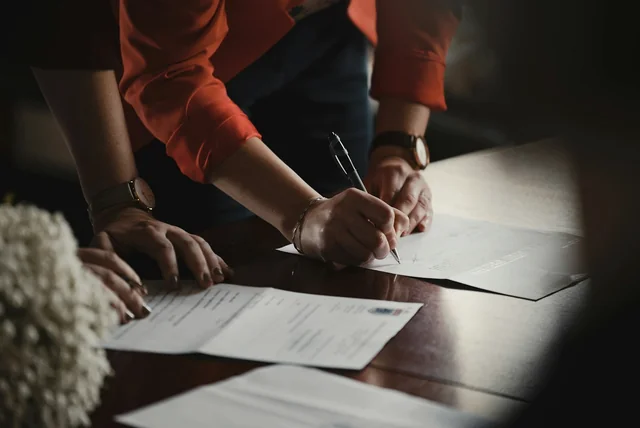
When applications do stall, the causes are usually mundane. Rejected photos top the list: shadows, glare or a busy background can bounce an application back days after submission. Countersignatory problems come next. First passports and lost or stolen replacements need one, and the rules are strict: they must have known you for at least 2 years, hold a current British or Irish passport, and not be a relative or live at your address. HM Passport Office may phone or write to them, and if they’re slow to reply, your application simply waits. First-time adult applicants like Kelly can also be called to an identity interview, now roughly 30 minutes by video, with questions an identity thief couldn’t answer. Sorting practicalities early, like changing your address with government services before you apply, removes one more excuse for a hold-up.
When to Ring the Passport Adviceline

Three weeks and a day after her documents were received, Kelly earned the right to make the call. The Passport Adviceline is 0300 222 0000, open 8am to 8pm Monday to Friday and 9am to 5:30pm on weekends and bank holidays. Have your reference ready, because the adviser will ask for it before anything else. Prefer typing? There’s a web chat, and the online enquiry form promises a reply within 72 hours. One important exception jumps the queue: if you must travel urgently because of medical treatment, or the serious illness or death of a family member or friend, say so — advisers can expedite compassionate cases. It’s the same habit you’d use for renewing your driving licence online: give the standard time first, then chase with the reference to hand.
Travel Date Looming? Read This Before You Pay Anything
Here’s the trap that catches thousands: you cannot upgrade an application that’s already in the system. GOV.UK is blunt about it — pay for an urgent passport service after you’ve already applied and you won’t get your passport any sooner, you’ll just be charged a £34.50 admin fee. Fast Track (£192 for an adult, about a week) and Premium (£239.50, same day, renewals only) are choices you make instead of a standard application, never on top of one. Compensation for a missed holiday? Almost never paid, because the official advice was not to book before the passport arrived. If a genuine error drags on, complain in writing — responses take about 15 days — then ask your MP to raise the case, and pack a get a GHIC card online reminder for the rebooked trip.
From “Dispatched” to Your Doormat
Dispatched felt like the finish line, but Kelly still had questions. Royal Mail now delivers UK passports, Monday to Saturday, and you’ll get a notification when yours is on its way. Allow 2 working days after that message before chasing anyone. Most passports arrive without a signature; the postie photographs the delivery instead. You can follow the item using your 10-digit PEX or POD reference, or a 13-digit Royal Mail number if you’re given one. Your old passport and any supporting documents travel back separately, sometimes days later, so don’t panic when one envelope arrives alone. Stay sharp during this window too: a fake Royal Mail text demanding a “redelivery fee” is a scam, because genuine passport delivery never asks you to pay. Missed deliveries are retried, and uncollected items go back after 18 days.
Where This Leaves Kelly — and You
Kelly’s passport arrived on a rainy Tuesday, nineteen days after her documents were received, photographed on the doormat by a postie who had no idea what it meant. Your passport application status will follow the same unglamorous path: received, checked, approved, printed, dispatched. Save the PEX email today, bookmark the tracker, check it twice a week, and keep the Adviceline number for day 22. And whatever you do, don’t book the flights until the burgundy book is in your hand.
Frequently Asked Questions
How do I check my passport application status online?
Go to www.gov.uk/track-passport-application and enter your reference. Online applications start with PEX, Post Office Digital Check & Send references start with POD.
Why has my passport application status not changed?
The tracker only updates when your application moves stage. Quiet spells of a fortnight are normal while your file queues for an examiner within the 3-week target.
Can I upgrade my passport application to Fast Track?
No. Once you’ve applied, paying for Fast Track or Premium won’t speed anything up — you’ll simply lose a £34.50 admin fee, GOV.UK warns.
Who delivers UK passports and do I need to sign?
Royal Mail delivers passports Monday to Saturday, usually photographing the delivery instead of taking a signature. Allow 2 working days after your dispatch notification.
How long does a passport application take in 2026?
Standard online applications take up to 3 weeks from the day HM Passport Office receives your details. First adult passports can take longer if an interview is needed.
Disclaimer: This article is general information, not legal or financial advice. Passport fees, processing times and contact details change, so always confirm the latest position on GOV.UK before acting. Figures correct as of September 2026.