

The Fiesta looked perfect: one owner, fresh MOT, £2,400. Lena, a teaching assistant in Nottingham, sent a £600 bank transfer one Saturday morning to hold it. By Sunday the listing had vanished, and so had the seller. That is push payment fraud — a scam where you authorise the payment yourself, which is exactly why it works so well. This guide explains what push payment fraud is, the eight tricks criminals use, and the honest answer to the question that matters most: can you get your money back?
Push Payment Fraud at a Glance
| What it is | You’re tricked into sending a bank transfer to a criminal’s account |
| UK losses in 2025 | £576.4 million across 248,070 cases (UK Finance) |
| Refund rule | Mandatory reimbursement for payments made on or after 7 October 2024 |
| Maximum claim | £85,000, with an optional excess of up to £100 |
| Decision time | 5 business days, extendable to 35 while the bank investigates |
| Claim deadline | 13 months from the last fraudulent payment |
| Who to contact | Your bank on 159, then Report Fraud on 0300 123 2040 |
The “Push” Part, Explained

Every bank payment is either pushed or pulled. A pull happens when someone takes money using your details, like a stolen card number, and the law treats that as unauthorised — what to do if you gave a scammer your bank details covers that side. A push is a transfer you send yourself, and Faster Payments moves it between UK accounts in seconds. For years banks refused refunds because, technically, you approved the payment. Which? challenged that with a super-complaint in 2016, a voluntary code followed in 2019, and mandatory refund rules finally arrived in October 2024. The crime hasn’t slowed, though: criminals stole £576.4 million this way in 2025, according to UK Finance’s latest fraud report, up 19% in a year.
Purchase Scams: Seven in Ten Cases
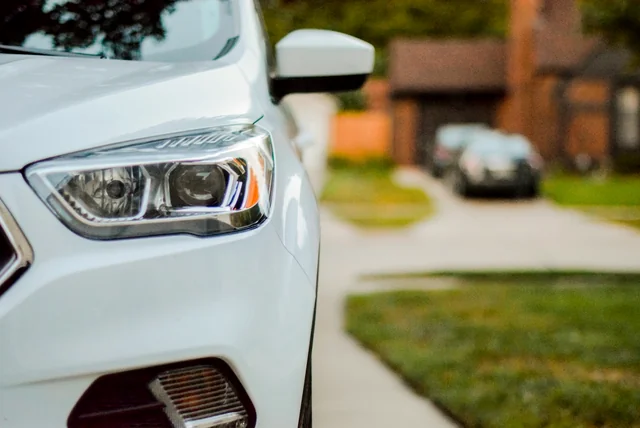
Lena’s vanishing Fiesta is the classic. In a purchase scam you pay upfront for something that never arrives: a car, a phone, festival tickets, a holiday cottage. Sellers post a tempting price on a marketplace, then push you away from the platform’s protected checkout and ask for a bank transfer “to hold it”. These scams made up 71% of all UK push payment cases in 2025, with 175,809 victims losing £118.1 million between them. The typical loss is the smallest of any scam type, about £671, which is precisely why people drop their guard. Around two thirds of cases start on online platforms and social media, where fake online shops and too-good listings are cheap to create and quick to delete.
Investment Scams: The Biggest Losses

The most expensive version wears a suit. Investment scammers promise high returns on crypto, gold, property or wine, backed by slick websites, fake trading dashboards and adverts on social media. Losses reached £221.5 million in 2025, up 40% in a year and 38% of everything lost to push payment scams, across 14,893 cases. What makes these so cruel is time: victims typically pay in again and again, watching a fake balance grow, and take longer than any other group to realise something is wrong. Cold calls pressing you to “act before the window closes” are a hallmark, and the FCA’s checklist of investment scam warning signs catches most of them. Real firms never mind you sleeping on a decision.
Romance and Advance Fee Tricks

Some scams target the heart rather than the wallet. In romance scams, a fake profile builds a relationship over weeks before the “emergencies” begin: a visa problem, a medical bill, a flight home. Victims lost £39.2 million in 2025 across 6,335 cases, and at 9.7 payments per victim — the highest of any scam type — the money leaves in small, trust-shaped instalments. Advance fee scams work on hope instead: pay a small fee to release a lottery win, an inheritance, or a deposit on a bargain vehicle or holiday let that doesn’t exist. Those jumped 65% to £58.4 million across 24,080 cases, the worst total ever recorded, driven largely by fake deposits for cars and holiday rentals.
Impersonation, Fake Invoices and the “Safe Account”

The nastiest calls come from people pretending to protect you. Criminals posing as your bank or the police claim your account is under attack and tell you to move everything to a “safe account” they control — £55.5 million went that way in 2025, though cases fell 23% as the warnings sank in. Others impersonate utility firms, delivery companies or HMRC, often opening with a text; knowing how to report a scam text to 7726 shuts many down early. Invoice scams redirect a genuine bill, usually a solicitor’s or builder’s, with an email saying “our bank details have changed”, costing £41.3 million. Rarest but priciest, CEO fraud averages just over £28,000 per case. Remember one line: no real bank ever asks you to move money to keep it safe.
The £85,000 Question: Getting Your Money Back

Now the part Lena cared about. For payments made on or after 7 October 2024, UK banks must reimburse push payment scam victims up to £85,000 — a cap that covers more than 99% of claims, says the Payment Systems Regulator. The rules apply to Faster Payments and CHAPS transfers between UK accounts, from personal, small business and charity accounts. Your bank may deduct an excess of up to £100, never from vulnerable customers, and should pay within 5 business days, though it can pause for up to 35 while it asks questions. You have 13 months to claim. In 2025, £354.3 million went back to victims, 61% of everything lost, and your rights under the APP fraud refund rules walks through the claim itself step by step.
What the Refund Rules Don’t Cover
The scheme has edges, and scammers know where they are. Card payments, cash, cheques, international transfers and payments sent to crypto wallets all sit outside it, which is why fraudsters increasingly steer victims towards exactly those methods. Civil disputes don’t count either: a builder who did shoddy work is a complaint, not a scam. Banks can also refuse if you ignored clear warnings with what the rules call a significant degree of carelessness, though the bar is high and being convincingly deceived is not carelessness. If your claim is rejected unfairly, complain to the bank, then go to the Financial Ombudsman, free of charge. Paid by card after following a dodgy link instead? Read what to do if you clicked a scam link, because different protections apply there.
The First Hour If It Happens to You

Speed decides how much comes back. A Faster Payment settles in seconds, but banks can freeze whatever remains in the receiving account, so call yours the moment doubt strikes: dial 159, the safe route that connects 26 UK banks, or use the number on your card. Say plainly that you’ve been scammed and give the account details you paid. Next, report it — how to report the crime to Report Fraud explains the process on 0300 123 2040 or online; in Scotland, call Police Scotland on 101. The crime reference number supports your refund claim, and reporting feeds the intelligence that closes mule accounts. If the experience has left you shaken, Victim Support listens free, day and night, on 0808 168 9111.
Where This Leaves You
Push payment fraud succeeds because it borrows the most ordinary moment in modern banking, the tap that sends money in seconds, and points it at a criminal’s account. The comfort is real, though: since October 2024 refunds are the rule, not the favour, and most stolen money now comes back. Lena had her £600 returned within four working days. This week, share the “safe account” warning with one person you love — it’s the line that saves the most.
Frequently Asked Questions
What is push payment fraud in simple terms?
It’s when a criminal tricks you into sending them a bank transfer yourself, by posing as a seller, an investment firm, a lover or your own bank.
Can you get your money back after push payment fraud?
Usually, yes. For UK transfers made since 7 October 2024, banks must reimburse victims up to £85,000, and 61% of all losses were returned in 2025.
How long do I have to claim a refund?
You must report the scam to your bank within 13 months of the last fraudulent payment. Claim sooner if you can, because speed helps recovery.
What is the most common type of push payment scam?
Purchase scams, where you pay for goods that never arrive. They made up 71% of UK cases in 2025, with an average loss of about £671.
Does the refund scheme cover crypto or card payments?
No. It covers Faster Payments and CHAPS transfers between UK accounts only. Cash, cheques, cards, international transfers and crypto payments all fall outside the scheme.
Disclaimer: This article is general information, not financial or legal advice. Refund decisions depend on your circumstances, so speak to your bank and see the Payment Systems Regulator and UK Finance websites for official guidance. Figures correct as of September 2026.