
Donna’s phone buzzes at 5.50pm, just as she pulls onto her drive in Nottingham. “DVSA: You have an unpaid parking penalty charge of £25. Pay today to avoid further action.” As a community nurse she parks on six different streets a day, so her stomach flips — which one was it? Her thumb is hovering over the link when her son Callum leans over with the words that save her: that’s a parking fine text scam, and one paper rule proves it.
Parking Fine Texts at a Glance
| What the text claims | An unpaid “parking penalty charge”, often £25, due today |
| What it really is | A phishing link to a cloned GOV.UK page that steals card details |
| The giveaway | Real PCNs arrive on paper — windscreen or post, never by text |
| Who really issues them | Councils and police — not DVSA, DVLA or the Department for Transport |
| How to check | gov.uk/pay-parking-fine — postcode search to your council’s own site |
| Report it | Forward free to 7726; screenshot to report@phishing.gov.uk |
| If you paid | Bank via 159, then Report Fraud 0300 123 2040 (Scotland: 101) |
The £25 Text That Knows Nothing About Your Car

Read Donna’s message again and something is missing: her car. Which? examined this exact scam and found the texts demand a £25 fine under a PCN number that is simply made up, with no registration, no street name and no date of the supposed offence. The link leads to a copycat GOV.UK site so polished that it borrowed official logos and even used the visitor’s location to look local — the wrong web address was the only flaw. Ignore it and a follow-up lands days later claiming today is the last day to pay. Ofcom found 40% of UK mobile users got a suspicious message in just three months in early 2026, and the fake Royal Mail delivery fee text runs on the same engine — small fee, big hurry, cloned site.
Real Parking Fines Arrive on Paper
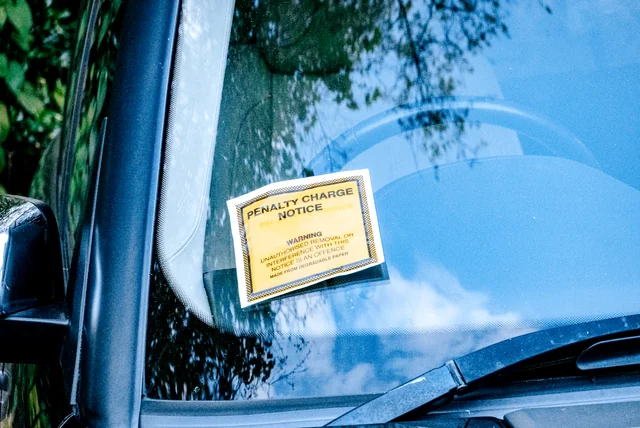
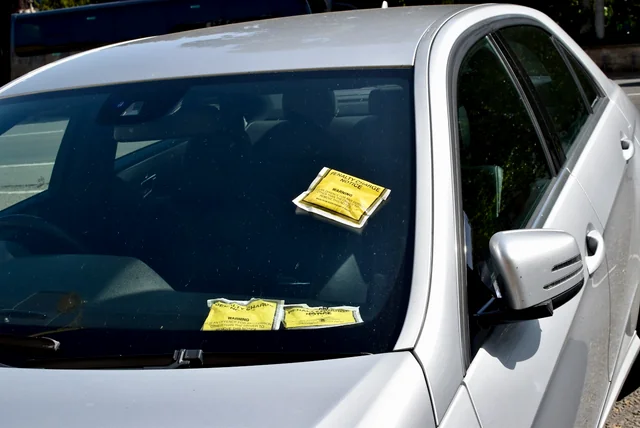
Here is the rule that settles it before your tea goes cold. A genuine council penalty charge notice reaches you two ways only: fixed to your windscreen in a plastic wallet by an enforcement officer, or posted to the registered keeper — a letter carrying your name and your vehicle registration, sent to the address DVLA holds from when you tax your car online. Kensington and Chelsea council put it plainly in January 2026: “We’ll never use text messages to contact you about parking fines, even if we’ve sent you a penalty charge notice.” Telford and Welwyn Hatfield councils say the same. The timings expose the fraud too: a real PCN usually gives you 28 days to pay, with roughly 50% knocked off inside 14 days — nothing like a link screaming about tonight’s deadline.
The Driving Ban Threat Is the Tell

Scam versions pile on menace: pay now or face court, a bigger fine, even losing your licence. Callum spots the bluff quickly, because the agencies named don’t do parking. DVSA, the body many of these texts impersonate, does not issue or deal with parking fines at all — its world is driving tests, the queue you’ll meet when you book a driving test online. The Department for Transport states flatly on its official scam warning that texts demanding fine payments in its name are fraud. DVLA says it never sends texts asking you to confirm personal or payment details. Above all, a council parking fine is a civil matter: it cannot add points, ban you from driving or hand you a criminal record, whatever the message threatens.
How to Check If You Really Have a PCN

Donna still wants certainty — she does park everywhere. The safe route takes 3 minutes and never touches the text. Type the official GOV.UK parking fine page into your browser yourself, enter your postcode, and it sends you to your own council’s genuine PCN system, where you search using the reference number and your registration together. A made-up reference from a scam text matches nothing there. Councils also use set formats — real Ealing references start with “AO” or “EA”, for instance — while fraudsters invent random strings. Still uneasy? Ring the council on the number from its own website, never one from the message, and learn to check if a website is legit before typing anything: every real council and government address ends in .gov.uk.
If You Tapped the Link

Maybe you got further than Donna did. You tapped, the “payment” page opened, and now your stomach is somewhere near your shoes. Take a breath: on a phone with up-to-date software, a tap by itself rarely installs anything. The page is a harvester — it only wins when you type. So enter nothing, close the tab, and don’t ring any number shown on it. Screenshot the text first if you can, because that helps with reporting later. Then give the phone a once-over: run an antivirus scan, install any waiting updates, and on Android delete any app you don’t remember choosing. Our full guide on what to do if you clicked a scam link walks through every step, from password changes to the signs that something did slip through.
If You Paid the “Fine”

Paying hurts more than the £25, because the card details travel with it. Call your bank now — dial 159, the safe route to the fraud teams of 26 UK banks (it costs about the same as a national rate call), or use the number printed on your card. Tell them exactly what you entered so they can block the card, reissue it and watch for attempts. Keep checking statements for weeks: when Which? tested a similar scam site, fraudsters started firing charges totalling over £4,000 at the card a fortnight later. Report the loss to Report Fraud on 0300 123 2040 or at reportfraud.police.uk — 101 for Police Scotland — and you’ll get a crime reference number. Read what to do if you gave a scammer your bank or card details, and hang up on any “bank fraud team” that calls.
Report It, Then Bin It
Even a scam you saw through is worth 60 seconds, because your report helps kill the link for the next driver. Forward the text free to 7726 — the number spells SPAM on a keypad — and your network can investigate and block the sender. Email a screenshot to report@phishing.gov.uk, and the National Cyber Security Centre will hunt the fake site itself; it had removed 454,800 scam web addresses by July 2026, so these takedowns genuinely happen. There’s a scam website reporting form on ncsc.gov.uk too. Once it’s reported, delete the message and move on with your evening. The exact forwarding steps for iPhone and Android are in our pillar guide on how to report a scam text with 7726, and take about a minute to learn.
The Lookalike From Private Car Parks
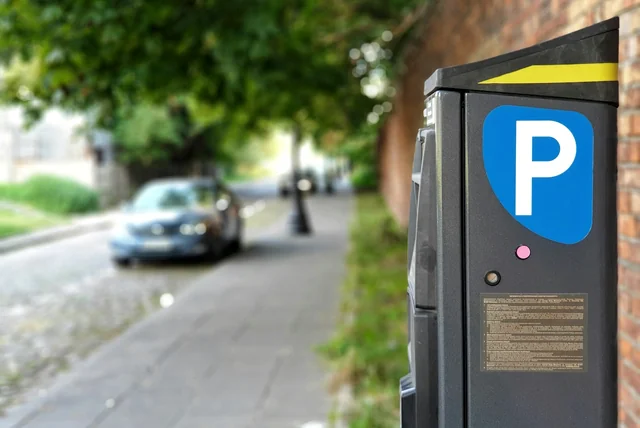
One genuine cousin causes endless confusion. Park at a supermarket or retail park and you might later receive a “Parking Charge Notice” — same initials as a council PCN, deliberately similar look, completely different beast. It’s not a fine but an invoice from a private company under contract law, issued on the windscreen or by post after number plate cameras log your visit. Accredited operators belong to the British Parking Association or the International Parking Community, and you can fight their tickets: complain to the operator first, then appeal free to POPLA or the IAS — our guide on how to appeal a private parking ticket covers the tactics that work. The scam rule still holds either way. Private firms write letters; a text demanding a parking charge through a link is a fraudster every time.
What Donna Tells Her Ward Now
Donna deleted the text after forwarding it to 7726, and the £25 stayed in her account. Now she gives every colleague the same one-liner: paper or it isn’t real. A parking fine text scam relies on that half-second of doubt when you genuinely did park somewhere awkward, so take the doubt away — check gov.uk/pay-parking-fine if you must, on a browser you opened yourself. Save 7726 and 0300 123 2040 in your phone this week, before the next fake fine arrives.
Frequently Asked Questions
Do councils ever send parking fine texts?
No. Councils issue penalty charge notices on your windscreen or by post to the registered keeper. Several, including Kensington and Chelsea, confirm they never text about parking fines.
How do I check if I really have a PCN?
Go directly to gov.uk/pay-parking-fine, enter your postcode, and search your council’s own system using the PCN reference and your vehicle registration. Fake references match nothing.
Can an unpaid parking fine ban me from driving?
No. A council parking fine is a civil matter, so it carries no penalty points, driving ban or criminal record. Texts threatening bans are always scams.
I paid a fake parking fine text — can I get my money back?
Call your bank immediately on 159 or the number on your card, then report to Report Fraud on 0300 123 2040. Banks can often block or reverse payments.
Is a private parking charge notice the same as a council fine?
No. A private Parking Charge Notice is an invoice under contract law, sent by post or windscreen. You can appeal to the operator, then POPLA or IAS.
Disclaimer: This article is general information, not legal or financial advice. Parking rules and scam tactics change, so check GOV.UK or your council’s official website before paying or appealing anything. Figures are correct as of September 2026.