
Margaret, 58, from Stockport, got a text from her GP surgery on a wet Tuesday morning: “Manage your care on the NHS App.” She downloaded it at the bus stop, tapped the icon, and the first screen asked her to “Continue with NHS login”. Two names, one phone, and no clue whether she needed two accounts. If you’ve ever paused on that same screen, this NHS App vs NHS login guide is for you. The difference is simple once someone explains it properly, and it takes about two minutes.
NHS App and NHS Login at a Glance
| What is NHS login? | One account (email + password) that signs you in to more than 70 health websites and apps |
| What is the NHS App? | One app for NHS services in England that you sign in to using NHS login |
| Who can use the NHS App | People aged 13 or over, registered with a GP surgery in England |
| Verification levels | Basic (email + phone code) or full (photo ID or GP letter details) for health records |
| Cost | Both are free |
| No smartphone? | Use the same services through the NHS website in any browser |
| Official sites | nhs.uk/nhs-app and help.login.nhs.uk |
The Short Answer: One Is a Key, One Is a Door
Margaret’s daughter Aisha sorted it over a cup of tea at the kitchen table. NHS login is the key. The NHS App is one of the doors it opens. Your NHS login is an account, just an email address and a password with a security code, and it proves to any connected health service that you are really you. The NHS App is a single product that happens to use that key, alongside dozens of pharmacy sites, GP apps and booking services that accept it too. It works the same way as a Government Gateway account, which opens HMRC, DVLA and other government doors with one sign-in. One important difference: NHS login and Government Gateway are separate systems, so having one does not give you the other. Health has its own key.
What NHS Login Actually Is
Setting up NHS login took Margaret about five minutes. She entered her email address on the official NHS login setup page, created a password, then typed in the 6-digit code the NHS emailed her. Next it asked for her mobile number and sent a second 6-digit code by text. That step is two-step verification, and it stays switched on, so a stranger with her password still can’t get in without her phone. Some services later ask for her NHS number or her name, date of birth and postcode to match her to the right records. The idea will feel familiar if you already check your National Insurance record online: one trusted account, reused everywhere, instead of twenty passwords on sticky notes.
The Two Levels of NHS Login
Here’s the part that catches people out. A basic NHS login, just the email and phone codes, only gets you into services that hold nothing personal. To see health records or anything private, you must “prove who you are” and move up to full verification. Margaret did it with her passport; a UK driving licence, a European driving licence or a European national identity card work too, and you photograph the document and record a short video of your face. No photo ID at all? Ask your GP surgery for three details, a Linkage Key, an ODS Code and an Account ID, and the NHS verifies you that way instead. Keep your documents current, because if you need to renew a driving licence online, that ten-minute job also refreshes your best proof of identity.
What the NHS App Can Do in 2026
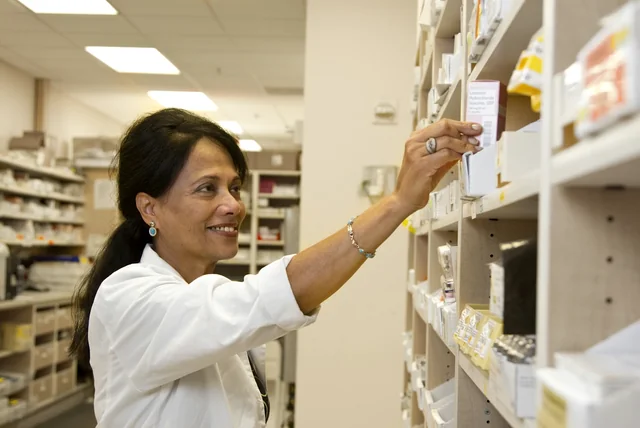
Once her full verification cleared, Margaret’s app came alive. She could read her GP health record, including appointment notes, documents and test results, with graphs when she’d had the same test more than once. She could book and cancel GP and most hospital appointments, read messages from her surgery, check symptoms through 111 online, view her vaccinations and record her organ donation decision. The busiest feature is prescriptions: you can order a repeat prescription on the NHS App, pick which pharmacy it goes to, or show a barcode and collect from any pharmacy, an option used around 2.1 million times a month. More than 39 million people in England had registered by the end of 2025, according to the official NHS App page, and November 2025 alone saw 62.3 million logins.
What’s Coming Next: One Record by 2028
The app is still growing. Prescription tracking now shows the status of each item, being prepared, ready to collect or dispatched for delivery, and sends a push notification when your medicine is waiting. NHS England says the tracker should reach nearly 5,000 more pharmacies within a year, around 60% of pharmacies in England. Bigger still is the single patient record promised in the government’s 10 Year Health Plan: by 2028, one secure record covering your GP, hospital and community care, viewable in the app, so you stop repeating your history to every new clinician. For Margaret, who once carried a paper list of her medicines to every appointment, being able to see your GP records on the NHS App already feels like the biggest change, and that record is set to get much fuller.
Who Can Use It, and the Wales and Scotland Question

The NHS App covers England only. You need to be 13 or over and registered with an English GP surgery, which is why Margaret’s sister in Wrexham couldn’t find her records on it. Wales has its own NHS Wales App for over-16s, which handles repeat prescriptions, GP records and appointments and also signs you in with NHS login. Scotland is launching MyCare.Scot, its national health app, with wide availability from April 2026 after an early trial in Lanarkshire, while Northern Ireland has no direct equivalent yet. Devolution explains the patchwork: each nation runs its own health service, so each builds its own front door. The pattern echoes the choice between the HMRC app and the HMRC website, where one account works across several official routes and you pick whichever suits.
The Apps People Mix It Up With

Plenty of confusion around the NHS App is really confusion about its neighbours. The NHS COVID-19 app, the one that pinged you during the pandemic, was a completely separate product and closed down on 27 April 2023, so nothing you do in the NHS App relates to it. Then there are third-party GP apps such as Patient Access, Airmid, myGP and Evergreen Life. These are made by private companies, yet they sign you in with the same NHS login, which is exactly why the same blue login screen keeps appearing in different places. Over 70 health websites and apps accept it, from Boots pharmacy services to online consultation tools. One key, many doors, and with the government now planning a broader UK digital ID, expect that single-key idea to spread well beyond health.
One Key, Many Doors, and You Hold It
So the NHS App vs NHS login puzzle comes down to this: NHS login is your account, the NHS App is one of many services it opens, and you need the first to use the second. Margaret now orders her repeats from the sofa and reads her test results before her GP rings. Set up your NHS login this week, add full verification with photo ID or your surgery’s linkage details, and the rest follows. No smartphone needed, the NHS website does the same job in a browser.
Frequently Asked Questions
Is NHS login the same as the NHS App?
No. NHS login is the account you sign in with, while the NHS App is one of more than 70 services that accept that login.
Can I use the NHS App without a smartphone?
Yes. Log in through the NHS website in any browser with the same NHS login details, and you’ll see the same services without downloading anything.
What ID do I need for full NHS login verification?
A passport, UK driving licence, European driving licence or European national identity card, plus a short video of your face to match the photo.
Can I set up NHS login without photo ID?
Yes. Ask your GP surgery for your Linkage Key, ODS Code and Account ID, then enter those three details instead of photographing a document.
Does the NHS App work in Wales or Scotland?
No. Wales has its own NHS Wales App for over-16s, and Scotland’s MyCare.Scot app is rolling out widely from April 2026.
Disclaimer: This article is general information about NHS digital services, not medical advice. For health concerns, speak to your GP or call 111. Check nhs.uk for the latest features and rules. Details correct as of September 2026.