
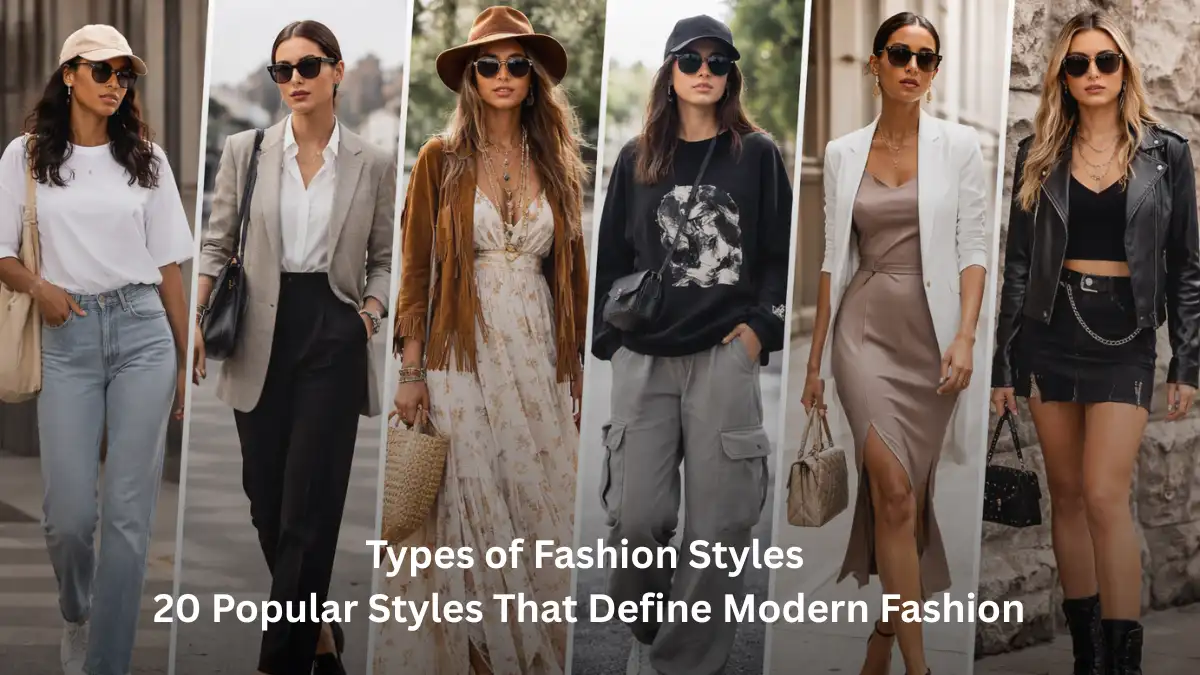

Fashion is more than just clothing. It is a way people express their personality, lifestyle, and creativity. Over time, many different fashion styles have developed around the world. Each style reflects certain attitudes, cultures, and fashion influences.
Understanding the different types of fashion styles can help you discover what suits your personality and daily life. Some people prefer relaxed and comfortable outfits, while others enjoy elegant or bold fashion choices. Modern fashion also allows you to mix multiple styles to create your own unique look.
If you are exploring your personal wardrobe, this fashion style guide will help you understand the most popular clothing style types. These styles appear in everyday fashion, streetwear, professional clothing, and trend-driven outfits.
If you want a broader overview of wardrobe categories, you can also explore our detailed guide on different clothing styles, which explains how these fashion categories influence modern dressing.
Popular Types of Fashion Styles
Fashion trends change every year, but many clothing styles remain popular for decades. These styles have shaped modern fashion and continue to influence how people dress today. Some styles focus on comfort and simplicity, while others highlight creativity, elegance, or individuality.
Knowing the most popular fashion styles can help you identify the clothing that fits your lifestyle and personal taste. For example, someone who works in a corporate environment may prefer professional or classic fashion, while someone who enjoys creative expression may lean toward artsy or bohemian styles.
Below are 20 popular fashion styles that define modern clothing. Each style has its own unique characteristics, clothing pieces, and fashion inspiration.
1. Casual Style
Casual style is one of the most common clothing styles people wear every day. It focuses on comfort, practicality, and relaxed outfits. This style is ideal for daily activities such as meeting friends, running errands, or travelling. Casual fashion allows people to look stylish without wearing formal or structured clothing.
Many people build their everyday wardrobe around casual clothing because it is versatile and easy to mix and match. Simple jeans, comfortable tops, and sneakers are common choices. Casual style can also include layering pieces like jackets or cardigans depending on the season.
- Key clothing pieces: Jeans, T-shirts, hoodies, sneakers, casual dresses
- Style characteristics: Comfortable fabrics, relaxed fits, simple designs
- Best occasions: Daily wear, casual outings, travel
2. Classic Style
Classic fashion focuses on timeless clothing that remains stylish for many years. Instead of following fast-changing trends, this style relies on simple, elegant pieces that always look polished. People who prefer classic fashion usually choose structured garments with clean lines and neutral colours.
This style works well for both professional environments and everyday outfits because the pieces are versatile. A well-fitted blazer, tailored trousers, and simple shirts can easily create sophisticated outfits without looking overly trendy.
- Key clothing pieces: Blazers, tailored trousers, white shirts, trench coats
- Style characteristics: Clean lines, neutral colours, timeless designs
- Best occasions: Work, formal meetings, everyday elegant outfits
3. Minimalist Style
Minimalist fashion focuses on simplicity and quality rather than quantity. Instead of owning many clothing items, minimalist wardrobes usually contain a smaller number of carefully chosen pieces. These garments are often neutral in colour and designed with clean silhouettes.
The idea behind minimalist fashion is to create a functional wardrobe where each item can be combined with others easily. This approach makes getting dressed simple and helps maintain a polished appearance with fewer clothing items.
- Key clothing pieces: Neutral tops, structured coats, simple trousers
- Style characteristics: Clean silhouettes, limited colour palette, minimal details
- Best occasions: Everyday wear, office outfits, modern wardrobes
4. Bohemian Style
Bohemian fashion, often called boho style, reflects creativity and freedom. This style became popular through artistic communities and free-spirited lifestyles. Bohemian clothing often includes flowing fabrics, earthy colours, and detailed patterns.
People who enjoy bohemian fashion usually prefer relaxed silhouettes and expressive accessories. Layered jewellery, embroidered fabrics, and long dresses are common in this aesthetic. The style is especially popular during festivals and creative events.
- Key clothing pieces: Maxi dresses, fringe jackets, embroidered tops
- Style characteristics: Flowing fabrics, layered accessories, artistic patterns
- Best occasions: Festivals, holidays, creative events
5. Vintage Style
Vintage fashion takes inspiration from clothing trends of previous decades. Instead of modern designs, this style celebrates classic silhouettes and retro patterns. Many vintage outfits are inspired by fashion from the 1920s to the 1980s.
People who enjoy vintage fashion often search for unique clothing pieces in thrift shops or vintage boutiques. These garments often feature distinctive details such as high waists, classic prints, or retro cuts.
- Key clothing pieces: Retro dresses, high-waist skirts, vintage coats
- Style characteristics: Classic prints, old-fashion silhouettes, nostalgic designs
- Best occasions: Vintage events, themed outfits, everyday retro style
6. Streetwear Style
Streetwear is heavily influenced by urban culture, music, and youth fashion. It originated from skate culture and hip-hop fashion, but it has now become a global trend. Streetwear often combines comfort with bold statement pieces.
This style is known for oversized silhouettes, graphic designs, and sneakers. Streetwear brands and social media have helped this fashion style become popular among younger generations.
- Key clothing pieces: Oversized hoodies, graphic T-shirts, sneakers
- Style characteristics: Bold prints, loose fits, urban inspiration
- Best occasions: Casual outings, street fashion, youth culture
7. Preppy Style
Preppy style comes from traditional American college fashion. It is neat, structured, and polished. The style often includes clothing associated with elite schools and university culture.
Preppy outfits often use classic patterns such as stripes or checks. The clothing is usually well-fitted and coordinated to create a tidy and sophisticated appearance.
- Key clothing pieces: Polo shirts, pleated skirts, loafers, blazers
- Style characteristics: Clean outfits, classic patterns, coordinated clothing
- Best occasions: Smart casual settings, university fashion
8. Chic Style
Chic fashion focuses on effortless elegance. It is stylish without appearing overly complicated. People who follow chic fashion prefer simple outfits that still look refined and fashionable.
This style often uses neutral colours and structured garments. The focus is on creating balanced outfits that look polished yet comfortable.
- Key clothing pieces: Structured coats, elegant dresses, handbags
- Style characteristics: Refined appearance, simple styling, elegant silhouettes
- Best occasions: Social events, dinners, everyday elegant outfits
9. Artsy Style
Artsy fashion celebrates creativity and individuality. People who enjoy this style often use clothing as a way to express artistic ideas. The outfits may include bold colours, unusual textures, or experimental shapes.
This style does not follow strict fashion rules. Instead, it encourages personal expression and imaginative combinations of clothing pieces.
- Key clothing pieces: Statement accessories, unique prints, colourful garments
- Style characteristics: Creative designs, bold colours, expressive outfits
- Best occasions: Creative workplaces, art events
10. Grunge Style
Grunge fashion emerged from the 1990s alternative music scene. It reflects a relaxed and rebellious attitude toward fashion. Instead of polished outfits, grunge clothing often looks intentionally rugged and layered.
Flannel shirts, ripped denim, and heavy boots are common elements of this style. The aesthetic focuses on comfort and individuality rather than perfection.
- Key clothing pieces: Flannel shirts, ripped jeans, combat boots
- Style characteristics: Layered outfits, rugged textures, relaxed silhouettes
- Best occasions: Casual settings, music culture, street fashion
11. Athleisure Style
Athleisure blends athletic clothing with everyday fashion. It became popular as people started wearing sportswear outside gyms and fitness centres. This style focuses on comfort while still looking stylish.
Modern athleisure outfits often include leggings, sports tops, and fashionable sneakers. These pieces allow people to stay comfortable while maintaining a sporty appearance.
- Key clothing pieces: Leggings, joggers, sports bras, sneakers
- Style characteristics: Sporty look, comfortable fabrics, flexible outfits
- Best occasions: Travel, casual outings, gym-inspired outfits
12. Gothic Style
Gothic fashion is known for its dark colour palette and dramatic appearance. Black clothing is usually the dominant element of this style. Gothic outfits often include lace, leather, and bold accessories.
This style is influenced by gothic subculture, music, and alternative fashion movements. It focuses on creating a mysterious and expressive aesthetic.
- Key clothing pieces: Black dresses, leather jackets, chunky boots
- Style characteristics: Dark colours, dramatic details, bold makeup
- Best occasions: Alternative fashion scenes, themed events
13. Punk Style
Punk fashion represents rebellion and individuality. It developed in the 1970s music scene and quickly became a symbol of anti-establishment culture. Punk outfits often include bold details such as studs, chains, and distressed clothing.
This style embraces DIY fashion and personal customization. Many punk garments are intentionally modified to create unique designs.
- Key clothing pieces: Leather jackets, studded accessories, ripped clothing
- Style characteristics: Rebellious designs, bold details, strong attitude
- Best occasions: Music events, alternative fashion scenes
14. Business or Professional Style
Professional fashion focuses on structured and formal clothing suitable for workplaces. This style is commonly seen in corporate offices, business meetings, and professional environments.
The clothing emphasises neat tailoring and polished presentation. Structured jackets, formal trousers, and elegant skirts help create a confident and professional appearance.
- Key clothing pieces: Blazers, pencil skirts, dress trousers
- Style characteristics: Structured garments, formal appearance
- Best occasions: Office environments, meetings, business events
15. Sporty Style
Sporty fashion is inspired by athletic clothing but is worn casually. It combines comfort with active lifestyle aesthetics. This style is ideal for people who enjoy practical clothing and relaxed outfits.
Sporty outfits often include tracksuits, sneakers, and casual athletic tops. These pieces create a comfortable look suitable for everyday activities.
- Key clothing pieces: Tracksuits, sneakers, caps
- Style characteristics: Athletic inspiration, comfortable clothing
- Best occasions: Casual outings, active lifestyles
16. Romantic Style
Romantic fashion focuses on soft, feminine designs and delicate details. The clothing often includes flowing fabrics, lace textures, and gentle colours such as pastels.
This style creates a graceful and elegant appearance. Dresses, ruffles, and floral patterns are commonly used to highlight femininity and charm.
- Key clothing pieces: Floral dresses, lace tops, ruffled skirts
- Style characteristics: Soft fabrics, delicate details, feminine design
- Best occasions: Dates, weddings, special events
17. Modern Style
Modern fashion blends current trends with simple designs. It often uses updated silhouettes and contemporary fabrics while keeping the outfits practical and stylish.
This style is popular among people who enjoy current fashion but still prefer clean and minimal outfits.
- Key clothing pieces: Structured jackets, trendy trousers, minimalist dresses
- Style characteristics: Contemporary silhouettes, clean design
- Best occasions: Work, social events, city fashion
18. Edgy Style
Edgy fashion focuses on bold and experimental clothing choices. People who follow this style often choose statement pieces that stand out.
Edgy outfits may include leather clothing, unusual cuts, or dramatic accessories. The goal is to create a confident and distinctive appearance.
- Key clothing pieces: Leather jackets, statement boots, metallic fabrics
- Style characteristics: Bold design, strong contrasts, statement fashion
- Best occasions: Fashion events, nightlife, creative industries
19. Elegant Style
Elegant fashion emphasises sophistication and refined clothing. This style focuses on high-quality fabrics, tailored fits, and graceful designs.
Many elegant outfits are inspired by European fashion traditions. If you enjoy refined clothing aesthetics, you may also find inspiration in Italian style women’s fashion, which highlights timeless elegance and structured outfits.
- Key clothing pieces: Tailored dresses, luxury fabrics, classic heels
- Style characteristics: Sophisticated look, high-quality materials
- Best occasions: Formal events, evening occasions
20. Smart Casual Style
Smart casual fashion blends relaxed clothing with polished pieces. It creates outfits that look neat without being overly formal. Many workplaces and social environments prefer smart casual dress codes.
Blazers paired with jeans or simple shirts combined with tailored trousers are common smart casual combinations. This style is flexible and works well for many everyday situations.
- Key clothing pieces: Blazers, stylish flats, fitted shirts
- Style characteristics: Balanced outfits, relaxed yet polished look
- Best occasions: Casual offices, social gatherings
Choosing the Right Fashion Style for You
Understanding different fashion styles can help you build a wardrobe that reflects your personality and daily routine. Instead of following every trend, focus on styles that make you feel confident and comfortable.
Many people combine several styles to create their personal look. For example, you might mix casual clothing with minimalist pieces or combine classic fashion with modern trends. If you want more inspiration for building outfits, you can explore these outfit ideas, discover trending fashion aesthetics, or find creative occasion outfit ideas for different events.
Fashion is constantly evolving, but your personal style should always reflect who you are. By exploring different clothing styles, you can develop a wardrobe that suits your lifestyle while staying fashionable.
Final Thoughts
Fashion styles help people express who they are through the clothes they wear. From relaxed casual outfits to elegant and professional looks, each fashion style offers a different way to build a wardrobe that fits your personality and lifestyle. Understanding these clothing style types can make it easier to choose outfits that feel comfortable, stylish, and appropriate for different occasions.
It is important to remember that personal style does not have to fit into just one category. Many people mix different fashion styles to create a unique look that reflects their individual taste. For example, you might combine minimalist basics with streetwear pieces or add romantic details to a classic outfit. Exploring different styles can help you discover new clothing combinations and develop a wardrobe that truly represents you.
As fashion continues to evolve, the best approach is to focus on styles that make you feel confident and comfortable. By learning about these popular fashion styles and experimenting with them, you can create outfits that suit both modern trends and your personal fashion identity.
FAQs
1. What are the most popular types of fashion styles?
Some of the most popular fashion styles include casual, classic, minimalist, streetwear, bohemian, vintage, chic, and smart casual. These styles remain popular because they are versatile and suitable for everyday wear, work environments, and social occasions.
2. How do I find my personal fashion style?
To find your personal fashion style, start by exploring different clothing styles and noticing what makes you feel comfortable and confident. Consider your lifestyle, daily activities, favorite colors, and preferred clothing fits. Over time, you can combine elements from different styles to create a unique look.
3. Can I combine multiple fashion styles?
Yes, many people combine different fashion styles to create their own signature look. For example, you can mix minimalist clothing with casual pieces or combine classic outfits with modern trends. Mixing styles helps create outfits that reflect your personality.
4. What is the difference between casual and smart casual style?
Casual style focuses on relaxed and comfortable clothing such as jeans, T-shirts, and sneakers. Smart casual style blends relaxed clothing with more polished items like blazers, tailored trousers, or dress shoes to create a neat yet comfortable appearance.
5. Why is understanding fashion styles important?
Understanding fashion styles helps you build a wardrobe that suits your lifestyle and personal taste. It makes shopping easier and allows you to create outfits that feel comfortable, stylish, and appropriate for different occasions.
6. Are fashion styles influenced by trends?
Yes, fashion styles are often influenced by trends, culture, music, and social media. However, many styles such as classic, minimalist, and casual remain popular for decades because they are timeless and versatile.
Author Bio
The Editorial Team at UK Digital Life creates informative and practical content about lifestyle, fashion, technology, and digital trends. Our goal is to provide readers with clear, reliable, and easy-to-understand guides that help them stay informed and inspired in everyday life.
Disclaimer
The information provided in this article is for general educational and informational purposes only. Fashion trends and style preferences may vary based on personal taste, culture, and lifestyle. Readers should use this guide as inspiration when exploring their own clothing style and wardrobe choices.
