
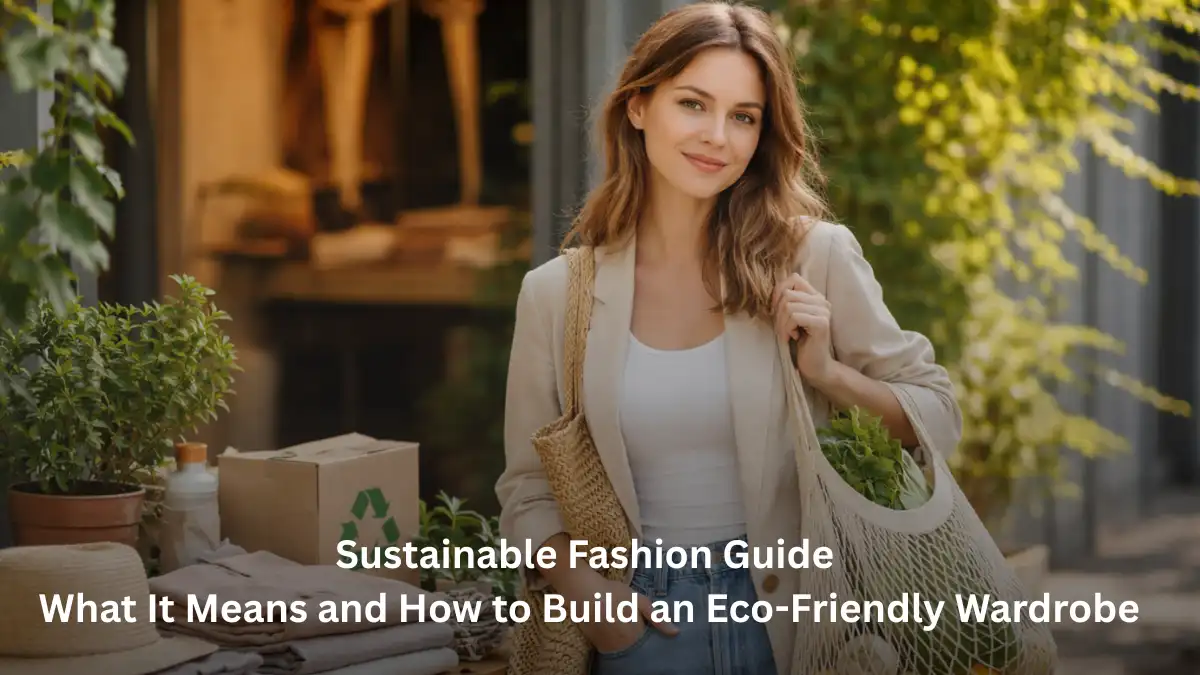
Fashion plays an important role in everyday life. The clothes we wear express our personality, culture, and lifestyle. However, behind many fashionable products is a production system that consumes large amounts of resources and creates waste. The global fashion industry produces millions of tonnes of clothing every year, and many garments are worn only a few times before they are discarded.
This is why sustainable fashion has become an important topic around the world, including in the UK. Sustainable fashion focuses on creating clothing in ways that protect the environment, support workers, and encourage responsible consumption.
This sustainable fashion guide explains what sustainable fashion means, why it matters, what eco-friendly materials are used in clothing, and how you can build a sustainable wardrobe. By understanding these ideas, you can make better fashion choices that help both people and the planet.
Sustainable Fashion Meaning
Sustainable fashion refers to clothing that is designed, produced, and used in ways that reduce harm to the environment and support ethical working conditions. It focuses on making fashion more responsible from the beginning of the supply chain to the end of a product’s life.
In traditional fashion systems, many brands focus on producing clothing quickly and cheaply. This leads to overproduction, waste, and environmental damage. Sustainable fashion aims to change this by encouraging better materials, fair labour practices, and longer-lasting clothing.
The meaning of sustainable fashion can be understood through a few key principles:
- Reducing environmental damage caused by clothing production
- Using materials that require fewer resources
- Designing clothing that lasts longer
- Ensuring safe and fair working conditions for workers
- Encouraging consumers to buy fewer but better-quality garments
Sustainable fashion also considers the full life cycle of clothing. This includes how fibres are grown, how fabrics are produced, how garments are manufactured, how long they are worn, and how they are disposed of or recycled.
Another concept closely linked to sustainable fashion is the slow fashion movement. Slow fashion encourages people to move away from disposable clothing and focus instead on quality, durability, and thoughtful purchasing decisions.
Instead of buying many cheap items that wear out quickly, sustainable fashion encourages consumers to invest in fewer garments that last longer and remain stylish over time.
Why Sustainable Clothing Matters
The fashion industry is one of the largest industries in the world, but it also creates significant environmental and social challenges. Many clothing factories require large amounts of water, chemicals, and energy to produce fabrics and garments.
Fast fashion has increased the speed of clothing production and consumption. Brands release new collections very frequently, encouraging consumers to buy more clothing than they actually need.
This system creates several environmental problems:
- Large amounts of textile waste
- High carbon emissions from production and transport
- Heavy water consumption during fabric manufacturing
- Chemical pollution from textile dyes
- Microplastic pollution from synthetic fabrics
For example, cotton farming requires large quantities of water, and synthetic fabrics such as polyester release tiny plastic fibres when washed. These microplastics eventually reach rivers and oceans.
In addition to environmental concerns, there are also social issues within the fashion industry. Many garment workers work long hours in factories with low wages and unsafe working conditions.
Sustainable clothing helps address these problems by encouraging responsible production practices and fair labour standards.
When consumers choose sustainable clothing, they support brands that focus on ethical production, environmental protection, and better working conditions.
Eco-Friendly Materials Used in Sustainable Fashion
One of the most important aspects of sustainable fashion is the use of eco-friendly materials. The type of fabric used in clothing can have a major impact on the environment.
Some traditional fabrics require large amounts of water, pesticides, and chemicals during production. Sustainable fashion encourages the use of materials that reduce environmental impact.
Many fashion brands are now exploring alternative fibres and recycled materials that are more environmentally friendly.
Common eco-friendly materials used in sustainable clothing include:
- Organic cotton – grown without harmful pesticides and chemical fertilisers
- Recycled polyester – created from recycled plastic bottles or old textiles
- Linen – produced from flax plants that require less water
- Hemp – a durable natural fibre that grows quickly with minimal chemicals
- Tencel (Lyocell) – made from sustainably sourced wood pulp
- Recycled wool – produced from existing wool garments
These materials help reduce water consumption, lower chemical pollution, and minimise waste.
Recycled fabrics are especially important because they give existing materials a second life instead of sending them to landfills.
Eco-friendly materials also tend to be more durable, which means clothing made from these fabrics can last longer and reduce the need for frequent replacements.
Benefits of Sustainable Fashion
Sustainable fashion provides many benefits for the environment, society, and consumers. It promotes responsible production and encourages people to develop a healthier relationship with clothing.
Instead of treating clothing as disposable items, sustainable fashion values quality, durability, and thoughtful design.
Some of the main benefits of sustainable fashion include:
- Reduced environmental pollution from textile production
- Lower carbon emissions
- Less clothing waste sent to landfills
- Better working conditions for garment workers
- Longer-lasting clothing that saves money over time
- More transparency in the fashion supply chain
Sustainable fashion also encourages people to choose timeless styles rather than short-lived trends. Clothing that remains fashionable for years helps reduce unnecessary consumption.
Exploring different clothing styles can help people discover versatile outfits that remain stylish for a long time.
This approach allows consumers to build wardrobes that are both fashionable and environmentally responsible.
Tips to Build a Sustainable Wardrobe
Building a sustainable wardrobe does not mean throwing away all your current clothes and buying new eco-friendly ones. The goal is to gradually make better choices and reduce unnecessary purchases.
A sustainable wardrobe focuses on versatile clothing that can be worn in different situations and seasons.
Here are some practical sustainable wardrobe tips:
- Buy fewer clothes and focus on quality instead of quantity
- Choose timeless designs rather than short-term trends
- Buy second-hand clothing from thrift stores or online resale platforms
- Repair damaged clothes instead of throwing them away
- Take proper care of garments by washing them correctly
- Create a capsule wardrobe with versatile pieces
- Support ethical clothing brands that follow responsible practices
Choosing outfits that work for multiple occasions can also help reduce clothing purchases. For example, these occasion outfit ideas show how the same pieces can be styled in different ways.
This approach makes fashion more practical and reduces waste.
Ethical Fashion Practices
Ethical fashion focuses on how clothing is produced and the conditions in which workers manufacture garments. It aims to improve labour standards and ensure that people involved in clothing production are treated fairly.
Many garment workers around the world face difficult working conditions. Some factories have long working hours, low wages, and unsafe environments.
Ethical fashion encourages brands to adopt responsible business practices that protect workers and promote transparency.
Important ethical fashion practices include:
- Paying fair wages to workers
- Providing safe and healthy working environments
- Eliminating child labour
- Ensuring reasonable working hours
- Maintaining transparency in supply chains
- Protecting animal welfare in clothing production
Consumers can support ethical fashion by researching brands and choosing companies that prioritise fair labour practices.
Understanding the impact of fast fashion can also help people recognise why ethical production is important.
When consumers support ethical brands, they encourage companies to improve working conditions across the industry.
Sustainable Fashion Trends and Conscious Style Choices
Sustainable fashion is becoming more popular as consumers become aware of environmental and social issues in the fashion industry. Many brands are now experimenting with new ways to make fashion more responsible.
Some of the most important sustainable fashion trends include:
- Clothing rental services
- Second-hand fashion marketplaces
- Recycled fabrics and circular fashion systems
- Minimalist wardrobes
- Eco-friendly manufacturing technologies
- Transparent supply chains
Circular fashion is an important concept in sustainable fashion. It focuses on keeping clothing in use for as long as possible through recycling, resale, repair, and reuse.
Consumers are also exploring fashion styles that emphasise timeless design instead of short trends.
For example, traditional clothing influences such as Asian style dress and classic European fashion like Italian style women’s fashion often focus on elegant and durable designs.
These styles show how fashion can remain stylish for many years without constantly changing trends.
Choosing timeless designs is one of the easiest ways to practice sustainable fashion.
How Consumers Can Make Conscious Fashion Choices
Consumers play a major role in shaping the future of the fashion industry. The choices people make when buying clothes influence how brands design, produce, and sell their products.
Making conscious fashion choices means thinking carefully before buying new clothing.
Some simple ways consumers can make more responsible fashion choices include:
- Asking whether a new garment is truly needed
- Checking the materials used in clothing
- Choosing brands that are transparent about production
- Supporting companies that prioritise sustainability
- Extending the life of clothing through repair and reuse
Even small changes in shopping habits can reduce waste and encourage brands to adopt more sustainable practices.
When more consumers choose sustainable clothing, the fashion industry will be more likely to invest in eco-friendly production methods.
Final Thoughts
Sustainable fashion is about making thoughtful choices that benefit both people and the planet. It encourages responsible production, ethical labour practices, and environmentally friendly materials.
Building a sustainable wardrobe does not require dramatic lifestyle changes. Small actions such as buying fewer clothes, choosing durable fabrics, and supporting ethical brands can make a meaningful difference.
As awareness grows, sustainable fashion is becoming an important movement within the global fashion industry. By adopting conscious fashion choices, consumers can help create a future where fashion is both stylish and sustainable.
FAQs
1. What is sustainable fashion?
Sustainable fashion refers to clothing that is designed, produced, and used in ways that reduce environmental harm and support ethical working conditions. It focuses on eco-friendly materials, responsible production, and encouraging people to buy fewer but better-quality clothes.
2. Why is sustainable fashion important?
Sustainable fashion is important because the fashion industry creates large amounts of pollution, waste, and carbon emissions. Choosing sustainable clothing helps reduce environmental damage and supports fair working conditions for garment workers.
3. What materials are used in sustainable fashion?
Common eco-friendly materials include organic cotton, recycled polyester, hemp, linen, recycled wool, and Tencel (Lyocell). These materials usually require fewer resources and produce less pollution during production.
4. How can I build a sustainable wardrobe?
You can build a sustainable wardrobe by buying fewer clothes, choosing high-quality pieces, shopping second-hand, repairing damaged garments, and supporting ethical clothing brands that use sustainable materials.
5. What is the difference between fast fashion and sustainable fashion?
Fast fashion focuses on producing cheap clothing quickly to follow trends. Sustainable fashion focuses on quality, ethical production, environmentally friendly materials, and longer-lasting clothing.
6. Is sustainable clothing more expensive?
Some sustainable clothing items may cost more initially, but they usually last longer and are made with better materials. Over time, this can save money because fewer replacements are needed.
Author Bio
The Editorial Team at UK Digital Life creates informative and easy-to-understand content on lifestyle, fashion, technology, and digital trends. Our team focuses on delivering practical guides, helpful insights, and reliable information to help readers make smarter everyday decisions.
Disclaimer
The information provided in this article is for educational and informational purposes only. While we aim to provide accurate and updated content about sustainable fashion, readers should conduct their own research before making purchasing or lifestyle decisions related to clothing and sustainability.
1 thought on “Sustainable Fashion Guide: What It Means and How to Build an Eco-Friendly Wardrobe”