
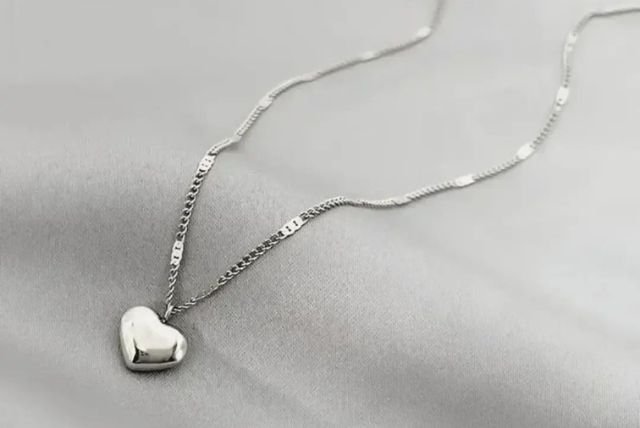
A silver heart pendant necklace is a familiar and long-lasting piece of personal jewelry. It is worn by people of all ages and appears in many cultural settings. The design is simple, yet the shape carries emotional weight. In recent years, the interest in silver jewelry has increased again because of its easy availability, affordable cost, and alignment with modern fashion choices. The heart shape is widely used in jewelry because it reflects care, connection, and human relationships.
This article explores the value of silver heart pendants, the major styles, and detailed guidance on how to choose a suitable one. It also includes updated information on silver quality, sustainability, and common practices in the jewelry field today.
Value of a Silver Heart Pendant Necklace
The value of a silver heart pendant necklace comes from several different areas. Even though the piece is small, it intersects with personal expression, craftsmanship traditions, and long-standing symbolism.
Emotional Value
A heart shape has been used for centuries to show affection, respect, and emotional closeness. A person may wear a heart pendant to remember someone, to represent a bond, or to keep a meaningful symbol close. Many people choose it as a reminder of personal relationships. This emotional value remains even when fashion trends change.
Material Value
Sterling silver is the most common material for heart pendants. Sterling silver contains 92.5% pure silver and 7.5% combined metals for strength. This composition is identified by the hallmark “925.” It provides durability while keeping the original color and shine of silver. Pure silver is soft, but sterling silver balances softness and strength, making it suitable for daily wear.
Cultural and Social Value
Heart pendants appear in many different cultures. They may not always represent romance; sometimes they reflect protection, unity, or spiritual warmth. The simple design makes it easy to accept in different settings without the need for additional symbols.
Contemporary Value
Modern demand for silver jewelry has increased because many people prefer neutral tones and clean lines in their accessories. Silver fits well with this preference. Unlike gold, which has a strong visual statement, silver blends with a wide range of outfits, skin tones, and clothing styles. This makes silver heart pendants useful not only on special days but also for daily wear.
Sustainability Value
Recent years have seen a shift toward sustainable and environmentally responsible jewelry production. Some large jewelry makers have started increasing the use of recycled silver and more transparent sourcing practices. This has created new interest in silver items because recycled silver keeps the same structure and purity as newly mined silver. As discussions on responsible consumption continue, silver becomes part of a broader movement toward sustainable personal items.
Styles of Silver Heart Pendant Necklaces
Silver heart pendants come in many designs. Each style carries a different visual feel and suits different wearers. Below are the most common and widely used styles.
Classic Solid Heart
This is a smooth, polished heart shape with no additional stones or engravings. It reflects simplicity and is often chosen for everyday wear.
Engraved Heart
Engraved pendants allow initials, dates, or short text. The surface is usually flat or slightly curved. Many people use engraved pieces to mark meaningful events or relationships.
Open Heart
The outline of a heart is shaped in wire or metal frame. The inner area is empty, making the pendant light and modern. The simplicity supports layering with other chains.
Double Heart
Two hearts appear together. Sometimes one heart is solid and the other is open, or both may be similar. This style is used to show unity, companionship, or dual connection.
Gemstone Heart
These pendants include a gemstone at the center or along the edges. The stones can be cubic zirconia, crystals, or birthstones. This style adds brightness and catches more light.
Minimalist Heart
A micro-sized heart, often small enough to appear like a tiny charm. This style is common among younger jewelry wearers who prefer subtle pieces.
Vintage or Filigree Heart
This style includes detailed patterns, small designs, or antique finishes. The surface may include lines, curls, or cutouts. It is chosen by people who prefer older or handcrafted styles.
Sculptural Heart
Modern designers sometimes create hearts with uneven lines, geometric angles, or abstract shapes. These pieces appeal to wearers who want something different from the traditional heart shape.
How to Choose a Silver Heart Pendant Necklace
Choosing the right pendant involves understanding materials, structure, fit, purpose, and personal preference. The following areas help guide the selection process.
Metal Verification
A reliable silver heart pendant should include a clear “925” or “S925” marking. This stamp shows that the piece is made of sterling silver. If the marking is missing or unclear, the metal may not meet the standard. In physical stores, a person can request verification or ask for an authenticity note. Online listings usually mention the metal type under the product details.
Design Selection
The design should match the wearer’s preference. People who prefer simple outfits may like classic or minimalist hearts. Those who enjoy artistic clothing or unique accessories may prefer filigree or sculptural styles. For memorable events, engraved or double-heart pendants are commonly chosen. For people who enjoy sparkle, gemstone hearts provide a different look.
Chain Length
Chain length affects how the pendant sits on the body.
– Short chains rest near the neck and appear delicate.
– Medium chains rest at the collarbone and suit most clothing styles.
– Longer chains sit below the collarbone and give a relaxed appearance.
The weight of the pendant affects the comfort of the chain. A heavy pendant needs a thicker chain for balance.
Craftsmanship
Good craftsmanship shows in smooth edges, secure bails, and even finishing. The heart shape should have clean curves without rough spots. If the pendant includes stones, the stone setting should be firm, with no loose movement.
Coatings and Finishes
Some silver pendants have a rhodium coating. This thin layer helps reduce tarnish and adds brightness. While coatings provide convenience, they may wear away over time. Pendants without coating will tarnish more quickly but can be polished back to their original shine.
Skin Sensitivity
People with sensitive skin should ensure the pendant is pure sterling silver and not mixed with nickel or other reactive metals. Sterling silver is generally safe, but some plated or alloy-based pieces may cause irritation.
Purpose of the Pendant
Selecting a pendant becomes easier when the purpose is clear.
– For personal expression, choose the design that matches daily style.
– For remembrance, choose engraved or classic solid hearts.
– For symbolic connection, pick double-heart designs.
– For special events, gemstone hearts are common.
Budget Considerations
Silver pendants come in a wide range of prices depending on weight, brand, craftsmanship, and whether stones or engravings are included. A simple sterling silver pendant is usually more affordable, while detailed or artistic designs can be higher in cost. Understanding the material avoids paying extra for plated or imitation items.
Place of Purchase
It is helpful to buy from a source that clearly mentions metal type, provides clear photographs, and states return policies. For in-person buying, inspecting the hallmark, weight, and finishing is important. For online buying, reading descriptions and user reviews helps determine the quality and durability of the pendant.
Why Silver Heart Pendants Are Common Gifts
Silver heart pendants are widely given as gifts because they fit many types of relationships. The shape communicates care without relying on detailed designs. The metal blends easily with different clothing styles, so the wearer can keep using it across many years.
The heart shape is also suitable for various occasions such as birthdays, personal milestones, and cultural festivals. People often choose silver because it is neutral and not heavily tied to formality. The emotional connection of the shape and the subtle appearance of silver come together to make it a thoughtful object for many situations.
The rise of recycled silver and transparent sourcing practices has also influenced gift choices. Many individuals feel more comfortable giving items that have a lower overall environmental impact. This aligns with broader global interest in sustainable materials.
Care and Maintenance of Silver Heart Pendants
Silver naturally reacts to oxygen and moisture, causing tarnish over time. Tarnish appears as darkening of the surface. Proper care keeps silver pieces in good condition for many years.
Regular Cleaning
A silver polishing cloth is often enough to remove light tarnish. Warm water with mild soap can be used for everyday cleaning. After washing, the pendant should be dried fully before storage. If a pendant includes stones or coatings, cleaning methods should be checked to avoid surface damage.
Storage
Storing silver in airtight pouches or containers slows down tarnish. Moisture increases tarnish speed, so keeping the pendant in a dry area is important. Using separate compartments prevents scratches.
Handling
Avoid wearing silver while swimming, bathing, or exercising. Chemicals in water, sweat, and personal care products may react with the metal. Putting on perfumes or lotions before wearing the pendant reduces direct contact with chemicals.
Professional Cleaning
If the pendant has heavy tarnish or complex designs, a professional cleaning from a jeweler is safer. This is especially important for pendants with stones or delicate details that may loosen with home cleaning tools.
Checking for Damage
Over time, chains may weaken or clasps may loosen. Checking the clasp, bail, and stone settings ensures the pendant remains secure. Early identification of any weak areas prevents loss or further damage.
Role of Silver in Today Jewelry Field
Silver remains an important metal in the jewelry field because it supports craftsmanship, affordability, and sustainable practices. Many small artisans use silver because it allows detailed shaping and texturing. Larger industrial makers also use silver because it can be cast, polished, and coated in standardized processes.
Recycled silver has gained attention as environmental discussions continue globally. Many makers have begun using recycled silver without changing the quality of the final product. This shift allows jewelry production to reduce dependence on mining. The rise of recycled materials also helps match the expectations of people who prefer environmentally responsible products.
Transparency in metal sourcing has also increased. More brands are making their supply information public, helping people understand where the metal comes from and how it is processed.
Read Also: Things to Do in London in Winter, Summer, Spring and Autumn
Conclusion
A silver heart pendant necklace remains one of the most steady and meaningful pieces of jewelry. It carries emotional value, fits various clothing styles, and comes in many designs suited for different preferences. Understanding sterling silver, recognizing hallmarks, and choosing a suitable style make the selection process clear and practical. Trends in sustainability, recycled materials, and transparent sourcing have strengthened the position of silver jewelry in recent years.
With appropriate care, a silver heart pendant can last for a long time and serve as a quiet symbol of personal connection, memory, or daily comfort.