
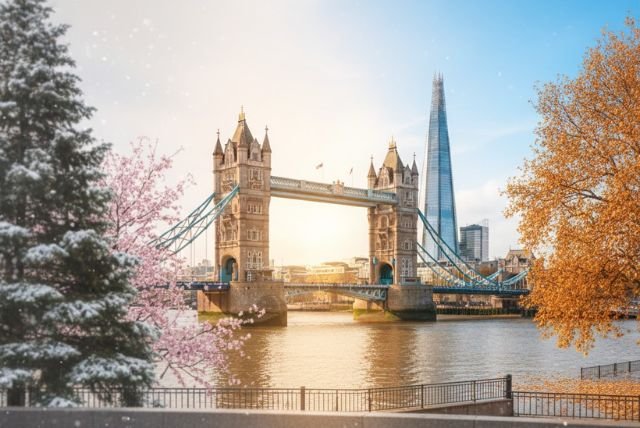

London is one of the most visited cities in the world, and every season here feels like a different experience. Winter turns the city into a glowing festive wonderland. Spring brings warmth, blooming flowers, and fresh energy. Summer fills the streets with events, open-air festivals, and long sunny days. Autumn brings calm weather, golden colours, and cultural celebrations.
Because London changes throughout the year, travellers often search for the best things to do in London based on seasons. This 2025 guide offers detailed, accurate, and engaging information about what to see, where to go, what to eat, and how to make the most of every season. Whether you love museums, parks, family attractions, nightlife, food markets, or historic sites, you will find something that fits your travel style.
1. Things to Do in London in Winter (December to February)
Winter in London is cold, with average temperatures between 2°C and 8°C, but it is also one of the most atmospheric times to visit. The city becomes brighter with seasonal lights and offers many warm indoor experiences.
Christmas Markets and Winter Events
London’s Christmas markets attract millions of visitors each year. They offer seasonal snacks, handmade decorations, roasted nuts, hot chocolate stalls, mulled wine, and festive entertainment. Hyde Park Winter Wonderland is not just a market—it is a full winter amusement park with roller coasters, a giant wheel, a magical ice kingdom, and a circus. Southbank’s riverside market is known for international street food, live shows, and river views.
Warm Museums and Indoor Attractions
Winter is the best time to enjoy London’s museums because they are warm, spacious, and rich in information. The British Museum receives visitors from around the world who come to see the Rosetta Stone, Egyptian artefacts, and the famous Parthenon sculptures. The Natural History Museum offers dinosaur exhibits, wildlife zones, and unique architecture. The Victoria and Albert Museum showcases fashion, jewellery, furniture, and design.
These indoor attractions help you explore London’s culture without worrying about the weather.
Ice Rinks and Seasonal Activities
Some of London’s most iconic ice rinks include Somerset House, which sets up a grand ice rink inside its neoclassical courtyard, and Canary Wharf, which provides extended skating sessions with modern lighting and music. Alexandra Palace offers a larger indoor rink that operates even when it rains.
Winter Lights and Decorations
From November to January, London streets glow with millions of lights. Oxford Street and Regent Street receive new designs every year. Covent Garden sets up giant baubles, festive garlands, and a tall Christmas tree. In the evenings, these areas become ideal places for photos, street performances, and holiday shopping.
Kew Gardens’ light trail offers one of the most beautiful winter experiences with illuminated paths, glowing trees, fire gardens, and themed displays.
Comfort Food and Warm Drinks
Winter brings a special food culture to the city. Borough Market becomes a hub for hot soups, cheese dishes, baked goods, stews, and seasonal desserts. Camden Market offers international dishes such as freshly fried churros, warm noodles, and winter pastries. Many cafés start selling gingerbread drinks, cinnamon-flavoured coffees, and rich hot chocolates topped with cream.
Winter in London feels festive, warm, and full of traditions, making it a memorable time to explore the city.
2. Things to Do in London in Spring (March to May)
Spring welcomes longer days, mild temperatures, and a fresh start after winter. The average temperature ranges between 10°C and 17°C, making it ideal for outdoor walks and nature activities.
Cherry Blossoms and Blooming Gardens
Spring is the time when London’s parks transform into colourful landscapes. Kew Gardens becomes a world of pink, purple, and white blossoms, while Greenwich Park offers a beautiful line of cherry trees that frame the hilltop view of Canary Wharf. Regent’s Park hosts spring flowers, large lawns, rose gardens, and ponds. St James’s Park is one of the most peaceful spring spots, especially near Buckingham Palace where flowers bloom across the gardens.
Outdoor Walks and Riverside Paths
The Thames Path offers long riverside routes where you can enjoy fresh air and quiet views. Hampstead Heath feels like a wild landscape within the city, with forests, ponds, and viewpoints such as Parliament Hill. Primrose Hill is another favourite for spring sunsets and picnics, with clear skyline views on sunny days.
Cycling becomes enjoyable in spring, and the city’s bike hire scheme makes it easy to explore Hyde Park, Kensington Gardens, and dedicated cycle routes.
Spring Festivals and Annual Events
London hosts major spring events that attract both locals and tourists.
- The RHS Chelsea Flower Show showcases plant creativity and floral art.
- The London Marathon brings thousands of runners together.
- The London Coffee Festival draws café lovers for tastings, workshops, and live music.
- St Patrick’s Day Parade fills central London with music, dance, and culture.
These events bring energy back into the city after the quieter winter months.
Attractions with Clear Spring Weather
Sightseeing becomes easier in spring when the skies turn brighter. The Shard offers wider visibility from its observation deck. Tower Bridge’s high walkways give panoramic views of the Thames. Sky Garden stays popular for its indoor garden, and although entry is free, booking early is recommended.
Spring Picnics and Outdoor Dining
Spring is a lovely time to eat outdoors. Hyde Park’s Serpentine Lake area is calm and scenic. Kensington Gardens is perfect for relaxed picnics near Kensington Palace. Richmond Park’s open fields and free-roaming deer create one of the best natural settings in London.
Spring in London feels alive, colourful, and peaceful, making it a great time for nature lovers.
3. Things to Do in London in Summer (June to August)
Summer is the busiest and brightest season in London. Temperatures range from 18°C to 28°C, and daylight can last until 9:30 PM, giving you longer hours for sightseeing.
Outdoor Events and Major Summer Shows
London becomes a stage for concerts, open-air theatres, sports events, and public celebrations. West End Live offers free musical performances from popular London shows. BST Hyde Park features world-famous artists. Wimbledon attracts tennis fans from around the world. The BBC Proms fill Royal Albert Hall with classical music.
Many parks host movie screenings, theatre shows, and pop-up events.
Rooftops and Open-Air Spots
Summer evenings feel pleasant on rooftops. Sky Garden gives free views. Madison Rooftop near St Paul’s offers outdoor seating overlooking the cathedral. Roof East in Stratford hosts food stalls, small games, and summer entertainment.
Garden at 120 is a free rooftop garden with plants, benches, and a clear view of the city skyline without needing a ticket.
Markets and Summer Shopping
Markets become more energetic in warm weather. Borough Market offers fresh fruit, baked goods, and international dishes. Camden Market provides global food, art, fashion, and music. Portobello Road Market is best known for antiques and vintage collectibles. Greenwich Market features handmade crafts, fresh food, and local designers.
River Activities and Water Adventures
Summer is the perfect time to enjoy the Thames. Cruises allow you to travel from Westminster to Greenwich while enjoying views of the skyline. Kayaking on the Thames or paddleboarding in Paddington Basin is suitable even for beginners. The Uber Boat connects major riverside locations quickly while offering scenic views.
Summer Food and Outdoor Dining
London embraces outdoor food culture in summer. Many restaurants offer terrace seating, rooftop dining, and open-air cafés. Ice cream shops become popular, with places like Chin Chin Labs serving fresh and creative flavours. Cold bubble tea, fresh juices, and smoothies become regular summer choices.
Day Trips from London
Summer day trips are very popular due to long daylight.
- Brighton offers beaches, shops, and a lively pier.
- Oxford and Cambridge provide historic buildings, gardens, and riverside walks.
- Windsor offers castle views, boat rides, and royal history.
- Canterbury offers old streets, a cathedral, and peaceful cafés.
Summer in London feels bright, busy, and full of activities for every type of traveller.
4. Things to Do in London in Autumn (September to November)
Autumn is quieter, cooler, and full of warm colours. Temperatures range between 10°C and 18°C, making it comfortable for long walks.
Autumn Colours in Parks
Richmond Park becomes one of the most beautiful spots in autumn, with large open fields and red and orange leaves. Hampstead Heath offers tall trees, forest-like areas, and hilltop viewpoints. Greenwich Park also turns golden and provides scenic views of the Thames and the city skyline. Kensington Gardens, Holland Park, and Regent’s Park also display colourful landscapes.
Autumn Festivals and Cultural Events
Autumn is rich in culture.
- The London Film Festival features global cinema.
- The London Literature Festival brings writers, interviews and spoken-word events.
- Diwali on the Square offers dance, food and music.
- Bonfire Night fireworks take place across the city.
These events give autumn a warm and lively atmosphere.
Balanced Indoor and Outdoor Activities
Autumn weather is perfect for museums, galleries and city walks. Tate Modern remains popular for modern art. The British Library offers exhibitions and reading rooms. Covent Garden provides sheltered areas and live entertainment. Leicester Square cinemas are ideal for rainy evenings.
Autumn Food
Autumn flavours become common across markets. Hot soups, pies, roasted chestnuts, pastries and apple desserts appear in food stalls. Borough Market and Camden Market serve seasonal dishes. Many cafés introduce spiced drinks and warm seasonal menus.
Photography and Scenic Routes
Autumn gives London a calm and cinematic look. St Dunstan-in-the-East becomes even more beautiful with leaves covering its old stone walls. Little Venice appears peaceful with quiet canals and soft autumn colours. Buckingham Palace Gardens and Hyde Park provide scenic walking routes.
Autumn in London is perfect for travellers who enjoy calm weather, cultural events and slow-paced exploration.
5. Seasonal Travel Tips for London (2025)
Planning well makes travel easier and more comfortable.
Weather
- Winter: cold and rainy
- Spring: mild and fresh
- Summer: warm and busy
- Autumn: cool and pleasant
Clothing
- Winter requires thick coats and waterproof shoes.
- Summer requires light clothing and a hat.
- Spring and autumn require layered clothes and a small umbrella.
Transport
- The Tube is the fastest way to travel.
- Buses offer cheaper travel and street views.
- Uber Boat offers riverside travel.
- Contactless cards work everywhere.
Money
- Winter and autumn are cheaper seasons for hotels.
- Summer is expensive and busy.
- Spring offers balanced prices.
Conclusion
London changes beautifully with every season. Winter brings festive lights, spring brings flowers, summer brings excitement, and autumn brings warm colours. This seasonal guide for 2025 provides detailed information, useful tips and clear ideas about what to do in London at any time of the year. No matter when you visit, the city offers activities, attractions and experiences that will stay with you long after your trip.
FAQs
1. What is the best season to visit London in 2025?
Spring and autumn are ideal because the weather is mild, parks are colourful, and crowds are lighter than in summer.
2. Is London worth visiting in winter?
Yes. London in winter offers Christmas markets, festive lights, warm indoor attractions, and seasonal food experiences.
3. What are the top free things to do in London in summer?
Free activities include visits to Sky Garden, London’s major museums, outdoor concerts, street markets, canal walks and riverside parks.
4. When do cherry blossoms bloom in London?
Cherry blossoms usually appear between late March and mid-April, depending on weather conditions.
5. What are the best parks in London for autumn colours?
Richmond Park, Hampstead Heath, Greenwich Park, Kensington Gardens and Regent’s Park show beautiful autumn colours.
