
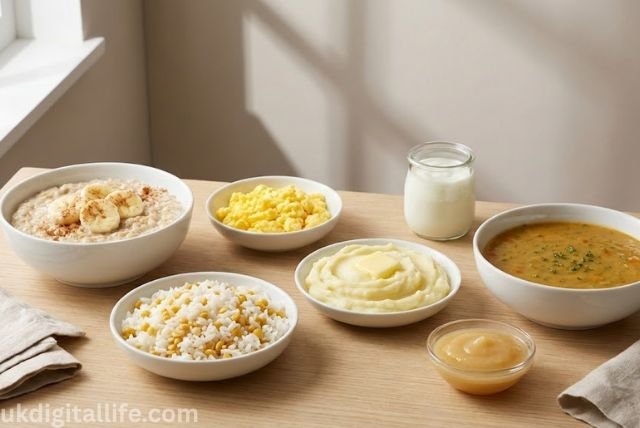

A soft food diet is a special eating plan that focuses on foods that are easy to chew, swallow, and digest. It is commonly recommended by doctors and dentists after surgery, dental procedures, illness, or for older adults who struggle with hard or rough foods. Unlike normal diets, this plan reduces stress on the mouth, jaw, and digestive system while still helping the body get energy and nutrients.
Many people search for a soft food diet when they feel pain while chewing, have stitches in the mouth, or are recovering from health issues. This article offers a complete and easy-to-follow guide, including detailed food lists, benefits, meal ideas, safety tips, and common mistakes to avoid.
What Is a Soft Food Diet?
A soft food diet includes foods that are naturally soft or made soft through cooking methods such as boiling, steaming, mashing, or blending. These foods break down easily in the mouth and do not require strong chewing. The texture is more important than the food type. Even healthy foods can cause discomfort if they are hard or crunchy.
Foods that are dry, sharp, sticky, or spicy are avoided because they can irritate healing tissues, cause pain, or increase the risk of choking. The diet is often used as a transition stage between a liquid diet and a normal solid diet.
Soft Food Diet vs Liquid Diet
Although both diets are used during recovery, they serve different purposes.
- A liquid diet allows only fluids such as soups, broths, juices, and shakes.
- A soft food diet allows soft solid foods like rice, eggs, cooked vegetables, and soft fruits.
A soft food diet is more filling and nutritionally balanced, making it suitable for longer use compared to a liquid diet.
Who Should Follow a Soft Food Diet?
A soft food diet is helpful for many people during recovery or when chewing is difficult. It is commonly recommended for:
- People recovering from surgery, especially abdominal or oral surgery
- Those who have undergone tooth extraction, braces adjustment, or dental implants
- Individuals with jaw pain, mouth sores, or gum problems
- Elderly people with weak teeth or dentures
- People experiencing digestive discomfort or illness-related weakness
For medical conditions, the diet should always be followed as advised by a healthcare professional.
Soft Food Diet Food List
Foods to Eat on a Soft Food Diet
| Food Group | Examples |
|---|---|
| Grains | Soft rice, porridge, oatmeal, well-cooked pasta |
| Fruits | Banana, applesauce, ripe papaya, stewed fruits |
| Vegetables | Boiled carrots, pumpkin, mashed potatoes, spinach |
| Protein | Scrambled eggs, soft fish, minced chicken, tofu |
| Dairy | Yogurt, curd, paneer (soft), milk |
| Soups | Clear soups, blended vegetable soups |
| Desserts | Custard, pudding, rice kheer |
These foods are soft enough to chew easily and gentle on digestion.
Foods to Avoid on a Soft Food Diet
| Food Type | Examples |
|---|---|
| Hard foods | Nuts, raw carrots, apples |
| Crunchy foods | Chips, crackers, toast |
| Sticky foods | Chewing gum, toffee |
| Spicy foods | Chili-heavy curries, hot sauces |
| Tough meats | Fried, grilled, or chewy meat |
| Seeds & shells | Popcorn, sunflower seeds |
Avoiding these foods helps reduce pain and prevents injury during recovery.
Benefits of a Soft Food Diet
A soft food diet offers both comfort and health support during recovery. Key benefits include:
- Reduced pressure on the teeth, jaw, and mouth
- Faster healing after surgery or dental work
- Lower risk of choking or irritation
- Easier digestion and less stomach strain
- Improved calorie intake compared to liquid-only diets
When planned properly, this diet can provide enough protein, carbohydrates, and essential nutrients for short-term recovery.
Soft Food Diet Meal Ideas
Breakfast
Soft breakfasts help start the day without discomfort.
- Oatmeal with mashed banana
- Scrambled eggs with soft bread
- Yogurt with stewed fruit
- Soft pancakes with honey
Lunch
Lunch meals should be filling but easy to chew.
- Soft rice with lentils or dal
- Mashed potatoes with cooked vegetables
- Boiled pasta with mild sauce
- Soft paneer or tofu with rice
Dinner
Dinner should be light and gentle on digestion.
- Vegetable soup
- Soft khichdi
- Steamed vegetables with dal
- Soft fish with rice
Snacks
Soft snacks help maintain energy levels.
- Custard or pudding
- Applesauce
- Soft sponge cake
- Smooth yogurt
How Long Should You Follow a Soft Food Diet?
The length of time for following a soft food diet depends on the reason for starting it.
- After dental treatment, it is usually followed for 3 to 7 days
- After surgery, it may be needed for 1 to 2 weeks
- Elderly individuals may follow it longer if chewing problems continue
Normal foods should be added back gradually. If pain returns, soft foods should be continued until comfort improves.
Tips to Follow a Soft Food Diet Safely
To get the best results from a soft food diet:
- Cook foods thoroughly until they are soft
- Mash or blend foods if chewing is difficult
- Eat slowly and take small bites
- Avoid very hot foods that can irritate the mouth
- Drink enough water throughout the day
- Include protein-rich foods to support healing
Common Mistakes to Avoid on a Soft Food Diet
Some mistakes can slow recovery or reduce nutrition:
- Eating hard foods too soon
- Depending only on sweets or dairy
- Skipping meals due to lack of planning
- Ignoring doctor or dentist instructions
Being mindful of these issues helps make the diet more effective.
Conclusion
A soft food diet may feel limiting at first, but it plays a very important role in healing and recovery. By choosing foods that are gentle, nourishing, and easy to chew, you give your body the comfort it needs to heal faster and feel stronger each day. This diet helps reduce pain, protect sensitive areas, and still provides the energy your body needs.
As your recovery improves, you can slowly return to normal foods and enjoy a wider variety of meals again. Once chewing becomes comfortable, many people look forward to exploring flavour-rich cuisines like malaysian food and traditional dishes from around the world such as Venezuelan Food. A soft food diet is not about restriction—it is a simple and supportive step toward better health and a smoother recovery.
Disclaimer:
This article is for general information only and does not replace medical advice. Always consult a doctor, dentist, or healthcare professional before starting a soft food diet.
FAQs
1. Can I eat rice on a soft food diet?
Yes, well-cooked and soft rice is one of the most common foods in a soft food diet.
2. Is a soft food diet healthy?
Yes, when it includes a balance of grains, protein, fruits, and vegetables.
3. Can a soft food diet be followed long-term?
It is mainly for short-term use. Long-term use should be guided by a healthcare professional.
4. Is a soft food diet the same as a liquid diet?
No. A soft food diet includes soft solid foods, while a liquid diet includes only liquids.
