
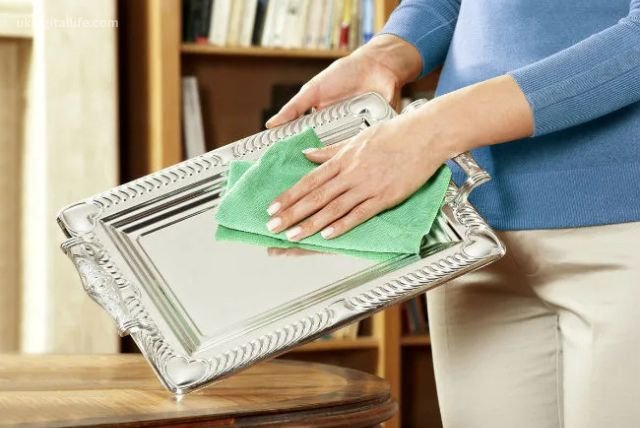

Silver-plated items are valued for their classic shine and elegant look. Many homes use silver plate for cutlery, serving trays, idols, lamps, bowls, and decorative pieces. Over time, these items lose their brightness and turn dull or black due to tarnish. This is a natural process and happens even if the item is not used.
Because silver plate has only a thin layer of silver, polishing must be done with care. Wrong cleaning methods can wear off the silver coating and expose the base metal underneath. That is why many people search for how to polish silver plate at home safely.
This detailed guide explains why silver plate tarnishes, how to polish it step by step, what to avoid, and how to keep it shiny for many years without damage.
What Is Silver Plate?
Silver plate is made by coating a thin layer of real silver over another metal such as copper, brass, or nickel. This process gives the item the look of solid silver at a lower cost.
The silver layer is very thin compared to solid silver. Once it wears away, it cannot be restored through normal polishing. That is why gentle care is essential.
Common silver-plated items found in homes include:
- Dining cutlery and tea sets
- Serving trays and bowls
- Religious idols and lamps
- Decorative vases and frames
- Small jewelry and gift items
Silver plate is meant to be used and enjoyed, but it must be maintained carefully.
Why Silver Plate Tarnishes
Tarnish forms when silver reacts with sulfur and oxygen in the air. This creates a dark layer on the surface. Tarnish does not mean dirt. It is a chemical reaction.
Factors that increase tarnish include:
- High humidity and moisture
- Air pollution and smoke
- Contact with rubber, wool, or paper
- Food residue, especially eggs and salt
- Skin oils, fingerprints, and sweat
- Perfumes, creams, and cleaning sprays
Even unused silver-plated items can tarnish if stored improperly.
Signs Your Silver Plate Needs Polishing
Not every dull item needs polishing. Look for these signs:
- Yellow, grey, or black discoloration
- Loss of shine even after washing
- Fingerprints that do not wipe off easily
If you see copper or brass color showing through, do not polish. At this stage, only gentle cleaning is safe.
Things to Do Before Polishing Silver Plate
Preparation is very important.
First, wash the item with warm water and mild dish soap. This removes grease and surface dirt that can scratch the silver during polishing.
Dry the item fully with a soft cotton or microfiber cloth. Moisture left on silver plate can cause water spots and faster tarnish.
Always polish in good lighting so you can see how much pressure you are applying.
How to Polish Silver Plate at Home
Baking Soda and Water Method (Light Tarnish)
This method is best for regular care.
Make a soft paste using baking soda and water. Apply it gently with a soft cloth. Move the cloth in straight lines along the surface. This reduces swirl marks.
Rinse well and dry immediately. This method is safe because baking soda is mildly abrasive when diluted.
Best for:
- Light tarnish
- Frequently used items
- Beginners
Vinegar and Baking Soda Method (Medium Tarnish)
This method works faster on darker tarnish but must be used carefully.
Sprinkle baking soda lightly on the surface. Add a few drops of white vinegar. The fizzing helps loosen tarnish. Rub gently with a soft cloth.
Rinse very well and dry fully. Do not repeat often.
Best for:
- Items stored for long periods
- Moderate tarnish
Aluminum Foil and Baking Soda Method (No Rubbing)
This method uses a chemical reaction to remove tarnish without friction.
Line a bowl with aluminum foil, shiny side up. Place the silver-plated item on the foil. Add baking soda and pour hot water.
The tarnish transfers from the silver to the foil. Remove the item within two to five minutes. Rinse and dry completely.
Best for:
- Delicate or detailed items
- Engraved or textured surfaces
Commercial Silver Polish (Controlled and Reliable)
Silver polish made for silver-plated items is often the safest long-term option.
Use only a small amount. Apply gently and wipe off completely. Always read the label to confirm it is safe for silver plate.
Avoid polishing more than needed.
What NOT to Use on Silver Plate
Many online tips are harmful.
Never use:
- Toothpaste (too abrasive)
- Lemon juice and salt
- Baking soda directly without water
- Steel wool or scrubbers
- Glass cleaners or bleach
These methods remove silver quickly and cause permanent damage.
How Often Should You Polish Silver Plate?
Polishing removes a tiny amount of silver each time. Because of this, polishing should be limited.
General guideline:
- Decorative items: once or twice a year
- Cutlery: only when tarnish is visible
- Daily-use items: light cleaning instead of polishing
Frequent wiping with a soft cloth reduces the need for polishing.
How to Store Silver-Plated Items Properly
Correct storage can reduce tarnish by up to 90%.
Best storage tips:
- Keep in a dry, cool place
- Use anti-tarnish cloths or bags
- Wrap items individually in cotton cloth
- Avoid plastic bags and rubber bands
- Do not store near cleaning chemicals
Always store items completely dry.
Common Mistakes That Damage Silver Plate
Many people damage silver plate without realizing it.
Common mistakes include:
- Polishing too hard
- Using DIY hacks from social media
- Ignoring early signs of wear
- Leaving items wet after washing
- Storing in humid areas
Gentle care always gives better results than aggressive cleaning.
FAQs About Polishing Silver Plate
How can I tell if my item is silver-plated?
Check for markings like EP, EPNS, or Silver Plate. If another metal shows through, it is silver-plated.
Can badly tarnished silver plate be saved?
Tarnish can be removed, but worn silver cannot be restored.
Is professional polishing safe?
Only if the professional understands silver plate. Many polishing machines remove too much silver.
Does regular use reduce tarnish?
Yes. Light use and wiping help slow tarnish buildup.
Conclusion
Knowing how to polish silver plate correctly helps protect its beauty and lifespan. Silver-plated items are meant to be enjoyed, not hidden away. With gentle cleaning, safe polishing methods, and proper storage, you can keep them shining for decades without damage.
Careful maintenance is always better than heavy polishing. Treat silver plate gently, and it will reward you with lasting elegance.
