
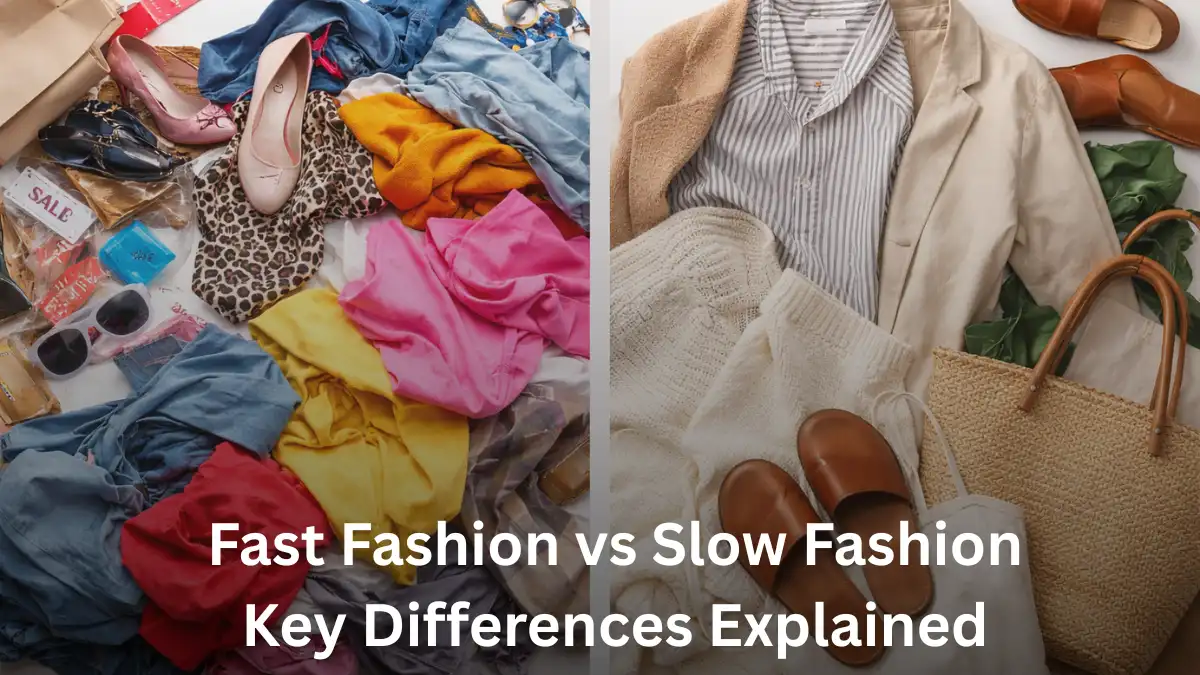

Fashion is a big part of our daily lives. The clothes we wear show our style, personality, and even our values. But today, there is an important discussion happening around fast fashion vs slow fashion. Many people want to understand how these two concepts are different and which one is better.
Fast fashion focuses on quick trends and low prices, while slow fashion focuses on quality, sustainability, and ethics. Understanding this difference can help you make better and more responsible fashion choices.
In this guide by UK Digital Life, we explain everything in simple words so you can clearly understand the difference between fast fashion and slow fashion.
What is Fast Fashion?
Fast fashion is a way of producing clothes quickly and cheaply so brands can follow the latest trends. When a new style appears on the runway or social media, fast fashion brands quickly create similar designs and sell them at affordable prices. This allows people to buy trendy clothes without spending too much money.
According to MasterClass, fast fashion brands are able to turn runway trends into everyday clothing in a very short time. This speed is what makes fast fashion so popular.
However, fast fashion is not just about speed. It also changes how people shop and use clothes. Instead of buying clothes occasionally, people are encouraged to buy more often because prices are low and trends change quickly.
Here are the main features of fast fashion:
- Cheap Prices: Clothes are affordable, making it easy to buy frequently.
- Rapid Production: New collections are released very often.
- Trend-Focused: Designs are inspired by current trends and celebrity styles.
- Short Lifespan: Clothes are not made to last long.
- Mass Production: Large quantities are produced to meet demand.
There are also some drawbacks of fast fashion:
- Clothes wear out quickly and need replacement
- Encourages overbuying and waste
- Often uses low-quality materials
- Can harm the environment and workers
Even though fast fashion is convenient and trendy, it comes with hidden costs. You can learn more about how it works in our detailed guide on fast fashion.
What is Slow Fashion?
Slow fashion is a completely different approach. It focuses on making clothes carefully, using good materials, and ensuring ethical production. Instead of following fast-changing trends, slow fashion promotes timeless styles that can be worn for many years.
According to The Good Trade, slow fashion encourages people to buy fewer clothes but choose better quality items that last longer. This helps reduce waste and supports a more sustainable lifestyle.
Slow fashion is also closely connected to sustainability. It considers the impact of clothing on the environment, workers, and future generations. It is a key part of the sustainable fashion movement.
Key features of slow fashion include:
- High Quality: Clothes are made to last for years.
- Eco-Friendly Materials: Uses organic or recycled fabrics.
- Ethical Production: Workers are treated fairly and paid properly.
- Timeless Designs: Styles do not go out of fashion quickly.
- Lower Waste: Focus on reuse and recycling.
Slow fashion also promotes mindful shopping habits. Instead of buying many clothes, people build a wardrobe with fewer but better pieces. According to Conscious Life & Style, this approach helps people focus on personal style rather than always chasing trends.
In simple terms, slow fashion is about buying less, choosing wisely, and making clothes last longer.
Key Differences Between Fast Fashion and Slow Fashion
When comparing fast fashion vs slow fashion, it is important to look at how they differ in production, quality, cost, and impact. These differences help you understand which option suits your lifestyle and values.
Here are the main differences explained clearly:
- Speed of Production: Fast fashion produces clothes quickly to follow trends, while slow fashion takes time to ensure quality and ethical production.
- Quality of Clothing: Fast fashion items are often made with cheaper materials, while slow fashion focuses on durability and craftsmanship.
- Price: Fast fashion is cheaper upfront, but slow fashion offers better value over time because clothes last longer.
- Environmental Impact: Fast fashion creates pollution and waste, while slow fashion reduces harm to the environment.
- Ethical Practices: Fast fashion may involve poor working conditions, while slow fashion supports fair wages and safe workplaces.
- Shopping Behaviour: Fast fashion encourages frequent buying, while slow fashion promotes thoughtful and mindful purchases.
According to Panaprium, slow fashion also supports circular fashion, where clothes are reused, recycled, and kept in use for as long as possible.
These differences show that fast fashion is focused on speed and cost, while slow fashion focuses on long-term value and responsibility.
Environmental Impact: Sustainable Fashion vs Fast Fashion
The environmental impact of clothing is a major concern today. Fast fashion has a large negative effect on the planet, while slow fashion aims to reduce this damage.
According to Earth.org, fast fashion contributes to climate change through greenhouse gas emissions and the use of synthetic fabrics like polyester.
Here are some key environmental problems caused by fast fashion:
- Water Pollution: Chemicals used in dyeing clothes pollute rivers and oceans.
- Textile Waste: Millions of clothes are thrown away every year.
- High Energy Use: Large factories consume a lot of energy.
- Non-Biodegradable Materials: Synthetic fabrics take many years to decompose.
On the other hand, slow fashion offers solutions to these problems:
- Uses organic and sustainable materials
- Reduces overproduction and waste
- Encourages recycling and second-hand shopping
- Promotes long-lasting clothing
This makes slow fashion a better choice for people who want to protect the environment and support sustainable living.
Ethical Fashion vs Fast Fashion
Ethics plays a very important role in the fashion industry. Fast fashion often focuses on reducing costs, which can lead to unfair treatment of workers. Many workers may face low wages, long hours, and unsafe working conditions.
According to Good On You, fast fashion brands often rely on cheap labour, while slow fashion focuses on ethical sourcing and fair production practices.
Here is a clear comparison:
- Fast Fashion:
- Low wages for workers
- Poor working environments
- Lack of transparency
- Slow Fashion:
- Fair wages and safe conditions
- Transparency in supply chains
- Support for local artisans and small businesses
Choosing ethical fashion means supporting brands that respect workers and value human rights. This is an important part of making responsible fashion choices.
Benefits and Drawbacks of Fast Fashion
Fast fashion has both advantages and disadvantages. It is important to understand both sides before making a decision.
Benefits of Fast Fashion:
- Affordable for most people
- Wide variety of styles
- Easy access to the latest trends
- Convenient shopping experience
Drawbacks of Fast Fashion:
- Low-quality clothing
- High environmental impact
- Ethical concerns with labour
- Encourages overconsumption
While fast fashion may seem attractive, its long-term impact can be harmful to both the planet and society.
Benefits of Slow Fashion
Slow fashion offers many long-term benefits that make it a better choice for many people. Although it may cost more at first, it provides better value and supports a more sustainable lifestyle.
- Better Quality: Clothes last longer and save money over time.
- Eco-Friendly: Reduces pollution and waste.
- Ethical Production: Supports fair wages and safe working conditions.
- Timeless Style: Clothes remain fashionable for years.
- Mindful Shopping: Encourages better buying habits.
Slow fashion also helps you build a wardrobe that reflects your personal style. You can explore different types of fashion styles to create a unique and lasting look.
Practical Examples of Fast Fashion and Slow Fashion
Understanding real-life examples can make the difference between fast and slow fashion clearer.
Fast Fashion Examples:
- Buying cheap t-shirts that lose shape after a few washes
- Shopping frequently to keep up with trends
- Throwing away clothes after a short time
Slow Fashion Examples:
- Buying one high-quality jacket that lasts for years
- Choosing classic styles instead of trendy items
- Shopping second-hand or vintage clothing
- Repairing clothes instead of replacing them
Understanding different clothing styles can also help you avoid unnecessary purchases and choose better options.
Fast Fashion vs Slow Fashion: Which is Better?
Choosing between fast fashion and slow fashion depends on your lifestyle, budget, and values. Fast fashion is affordable and trendy, but it comes with environmental and ethical issues.
Slow fashion may require more investment, but it offers long-term benefits such as durability, sustainability, and ethical production.
Here is a simple guide:
- Choose Fast Fashion if:
- You want low-cost clothing
- You enjoy changing styles often
- Choose Slow Fashion if:
- You care about sustainability
- You prefer quality over quantity
- You want long-lasting clothes
Even small changes, like buying less or choosing better quality items, can make a big difference.
Final Thoughts
The debate between fast fashion vs slow fashion is not just about clothes. It is about how your choices affect the environment, workers, and your daily life.
Fast fashion offers convenience and low prices, but it often leads to waste and ethical concerns. Slow fashion focuses on quality, sustainability, and responsibility.
By understanding both concepts, you can make better decisions and support a more sustainable future. Small steps, like choosing quality over quantity, can have a big impact over time.
FAQs
1. What is the main difference between fast fashion and slow fashion?
The main difference is speed and purpose. Fast fashion focuses on quickly producing cheap, trendy clothes, while slow fashion focuses on quality, sustainability, and ethical production.
2. Is slow fashion more expensive than fast fashion?
Yes, slow fashion usually costs more upfront. However, it saves money in the long run because the clothes last longer and do not need frequent replacement.
3. Why is fast fashion harmful to the environment?
Fast fashion causes pollution, waste, and high carbon emissions. It uses synthetic materials and produces large amounts of clothing that are quickly thrown away.
4. How can I switch from fast fashion to slow fashion?
You can start by buying fewer clothes, choosing better quality items, supporting ethical brands, and reusing or repairing your existing clothes.
5. Are all fast fashion brands unethical?
Not all brands are the same, but many fast fashion companies have been criticized for poor working conditions and lack of transparency.
6. Can slow fashion still be stylish?
Yes, slow fashion focuses on timeless and versatile designs. You can still look stylish while choosing sustainable and high-quality clothing.
Author Bio
Editorial Team UK Digital Life creates simple and helpful content on lifestyle, fashion, and digital trends. The team focuses on clear explanations and practical tips to help readers make better everyday choices and stay informed about modern topics.
Disclaimer
This content is for informational purposes only. UK Digital Life aims to provide accurate and up-to-date information, but we do not guarantee completeness or reliability. Readers should conduct their own research before making any decisions related to fashion or sustainability.
