
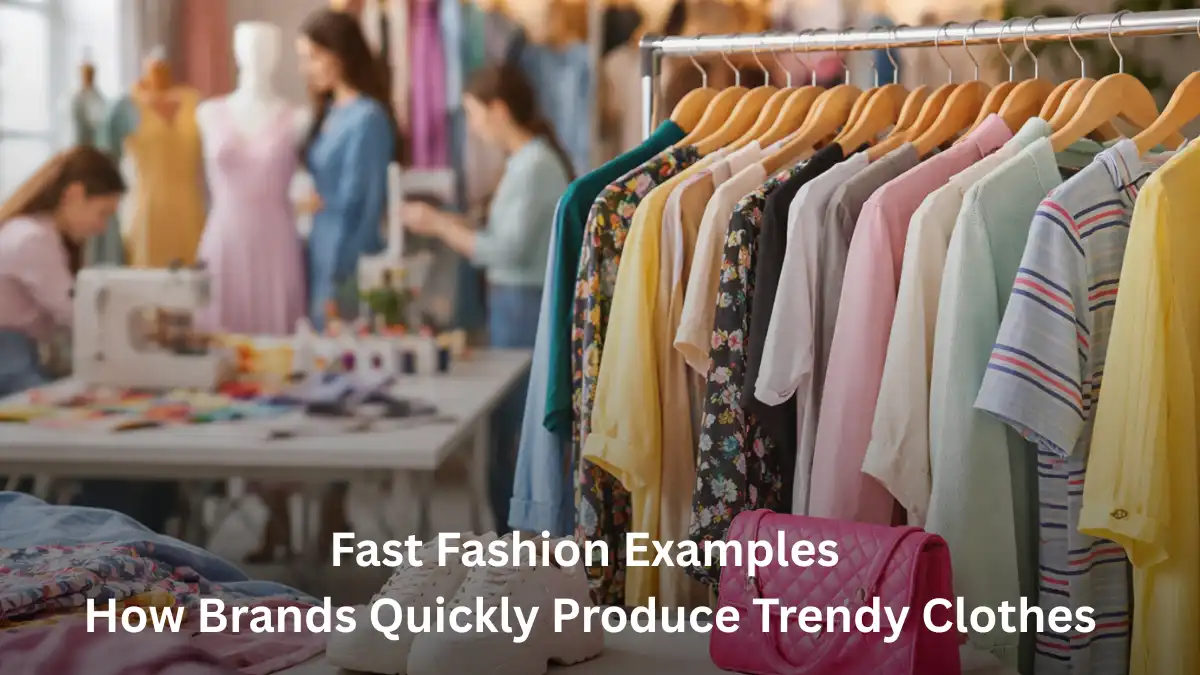

Fast fashion is a big part of modern shopping today. It allows people to buy stylish clothes at low prices without waiting for long production times. Many brands now follow this model to stay competitive and meet customer demand quickly.
In this guide by UK Digital Life, we will explore clear and detailed fast fashion examples. You will learn how popular brands work, how they produce clothes so fast, and what makes them successful in the fast fashion industry.
What Is Fast Fashion?
Fast fashion is a business model where clothing is designed, produced, and sold very quickly. The main goal is to bring the latest trends to customers at affordable prices. Instead of releasing only a few collections each year, fast fashion brands launch new styles every week or even daily.
According to Wikipedia, fast fashion focuses on quick production cycles, low costs, and high demand. This model encourages customers to buy more clothes more often. Brands achieve this by using cheap materials, fast supply chains, and global manufacturing systems.
Today, fast fashion is driven by social media, influencer culture, and changing trends. This has made the fashion industry faster than ever before.
Fast Fashion Brand Examples
Fast fashion brands are known for quickly turning trends into products available in stores and online. These companies use advanced systems, global supply chains, and data analysis to understand what customers want. Instead of waiting months, they can release new designs in just a few weeks.
These brands also focus on producing large volumes of clothing at low cost. This allows them to keep prices affordable while constantly updating their collections. Below are some of the most popular fast fashion company examples that clearly show how the model works in real life.
Zara
Zara is one of the most well-known fast fashion brands in the world. It is famous for its ability to quickly move designs from concept to store shelves. The brand closely follows runway trends and adapts them into wearable and affordable clothing for everyday customers.
- Can produce and deliver new designs in 2–3 weeks
- Uses small batch production to test demand
- Restocks popular items quickly
- Focuses on trendy and minimal designs
H&M
H&M is another global fast fashion leader that offers a wide range of clothing for men, women, and children. The brand focuses on affordability and variety, making it easy for customers to find trendy outfits at low prices. It also collaborates with designers to bring high-fashion styles to everyday shoppers.
- Offers frequent new collections
- Uses global suppliers for cost efficiency
- Targets mass-market consumers
- Combines basics with trendy pieces
Shein
Shein is a modern fast fashion brand that mainly operates online. It uses technology and data to track trends in real time. This allows the company to produce thousands of new styles every week and quickly respond to customer preferences.
- Uses AI and data-driven design
- Launches thousands of products weekly
- Focuses on ultra-low pricing
- Popular among younger audiences
Forever 21
Forever 21 is known for targeting young shoppers with trendy and affordable clothing. The brand focuses on fast production and quick inventory turnover. It constantly updates its collections to match current fashion trends.
- Targets teens and young adults
- Offers bold and trendy styles
- Frequent product updates
- Affordable pricing strategy
According to Earth.org, these brands are leading examples of how fast fashion companies operate at scale.
Examples of Fast Fashion in Action
Fast fashion is not just about brands. It is also about how the entire system works. From design to delivery, every step is optimized for speed. Brands study trends, create designs, manufacture products, and distribute them in a very short time.
This process allows companies to quickly respond to customer demand and stay ahead of competitors. It also means customers always see something new when they visit stores or websites. Let’s look at some practical examples of fast fashion in action.
Runway to Retail in Weeks
One of the best examples of fast fashion is how quickly runway styles reach stores. Designers showcase new collections, and fast fashion brands quickly copy these designs and make them affordable for everyday customers.
- Designs copied from luxury fashion shows
- Available in stores within weeks
- Low-cost alternatives to high-end fashion
Weekly New Collections
Fast fashion brands do not wait for seasonal releases anymore. Instead, they launch new products every week. This keeps customers engaged and encourages repeat visits.
- Constant product updates
- Encourages frequent shopping
- Keeps inventory fresh
According to Investopedia, some brands can move from idea to store in just a few weeks.
Fast Fashion Industry Examples
The fast fashion industry relies on smart systems and global operations to maintain speed and efficiency. Companies use advanced logistics, digital tools, and supply chain management to reduce production time and cost.
This system allows brands to produce clothing in different countries and deliver it worldwide quickly. It also helps them track customer preferences and adjust production based on demand. Below are some key industry-level examples that show how fast fashion works behind the scenes.
Global Manufacturing Networks
Fast fashion brands produce clothing in multiple countries to reduce costs and increase speed. This allows them to manage large-scale production efficiently.
- Outsourcing to developing countries
- Lower labor costs
- Faster production timelines
Data-Driven Production
Brands use customer data and sales trends to decide what to produce. This reduces waste and increases profitability.
- Tracks customer preferences
- Adjusts production in real time
- Focuses on popular items
According to McKinsey, digital systems help brands match supply with demand quickly.
Clothing Production Examples in Fast Fashion
Production is one of the most important parts of fast fashion. Brands focus on speed, flexibility, and cost efficiency. They use advanced manufacturing techniques and streamlined processes to produce clothes quickly.
This approach allows them to handle large volumes while still adapting to changing trends. It also helps reduce delays and improve delivery times. Let’s explore some clothing production examples in fast fashion.
Small Batch Testing
Brands first produce a small number of items to test demand. If the product sells well, they quickly increase production.
- Reduces risk of unsold stock
- Focuses on high-demand products
- Improves efficiency
AI-Based Trend Prediction
Modern fast fashion brands use AI to predict trends before they become popular. This helps them stay ahead in the market.
- Uses social media data
- Predicts future trends
- Speeds up design process
According to Heuritech, AI plays a key role in modern fashion manufacturing.
Modern Fashion Retail Examples
Retail has changed a lot because of fast fashion. Today, customers expect new styles all the time. Brands use online platforms, mobile apps, and social media to reach customers quickly.
This has made shopping faster and more convenient. It also means customers are influenced by trends more than ever before. If you want to explore different styles, you can check this guide on types of fashion styles to understand how trends evolve.
Online Fast Fashion Stores
Online platforms allow brands to update products daily and reach a global audience instantly.
- Daily product updates
- Global shipping
- Mobile-friendly shopping
Influencer-Driven Trends
Social media influencers play a big role in promoting fast fashion products. Their followers often buy what they wear.
- Quick trend adoption
- High customer engagement
- Boosts product visibility
According to Vogue, social media has made fashion trends spread faster than ever.
Impact of Fast Fashion
Fast fashion has made clothing more accessible, but it also has some negative effects. The focus on speed and low cost often leads to overproduction and waste. Many clothes are worn only a few times before being discarded.
If you want to understand this topic deeper, you can read this detailed guide on fast fashion and how it affects the industry.
Environmental Impact
Fast fashion contributes to pollution and waste due to large-scale production.
- Textile waste in landfills
- Water pollution
- High carbon emissions
Overconsumption
Low prices encourage people to buy more than they need. This leads to a cycle of overconsumption.
- Short product lifespan
- Frequent buying habits
- Increased waste
According to University of Pennsylvania, fast fashion leads to large amounts of clothing waste each year.
Fast Fashion vs Sustainable Fashion
As people become more aware of environmental issues, many are turning to sustainable fashion. This approach focuses on quality, ethical production, and reducing waste. It is very different from fast fashion, which focuses on speed and low cost.
You can learn more about eco-friendly alternatives in this guide on sustainable fashion, which explains how to make better choices when buying clothes.
Understanding both models can help you decide what kind of shopping habits you want to follow.
Final Thoughts
Fast fashion examples like Zara, H&M, Shein, and Forever 21 show how quickly brands can produce trendy clothes. From runway copies to AI-driven production, the industry is built on speed and efficiency.
While fast fashion makes style affordable, it is important to understand its impact. By learning about these examples, you can make smarter choices and balance trends with responsibility.
FAQs
1. What are some popular fast fashion examples?
Popular fast fashion examples include brands like Zara, H&M, Shein, and Forever 21. These companies produce trendy clothes quickly and sell them at affordable prices to meet customer demand.
2. Why is fast fashion so popular?
Fast fashion is popular because it offers stylish clothing at low prices. It allows people to follow the latest trends without spending too much money.
3. How do fast fashion brands produce clothes so quickly?
Fast fashion brands use advanced supply chains, global manufacturing, and data analysis. This helps them design, produce, and deliver clothes within a few weeks.
4. What is the main goal of fast fashion?
The main goal of fast fashion is to bring the latest fashion trends to customers as quickly and cheaply as possible.
5. Is fast fashion harmful to the environment?
Yes, fast fashion can harm the environment. It leads to textile waste, pollution, and overuse of resources due to mass production and short product lifespans.
6. What is the difference between fast fashion and sustainable fashion?
Fast fashion focuses on speed and low cost, while sustainable fashion focuses on quality, ethical production, and reducing environmental impact.
Author Bio
Editorial team UK Digital Life is a group of content creators who focus on technology, lifestyle, and fashion topics. They aim to provide simple, clear, and useful information to help readers understand modern trends and make better decisions.
Disclaimer
This content is for informational purposes only. While we aim to provide accurate and updated information, we do not guarantee completeness or reliability. Readers should do their own research before making any fashion or purchasing decisions based on this content.
