
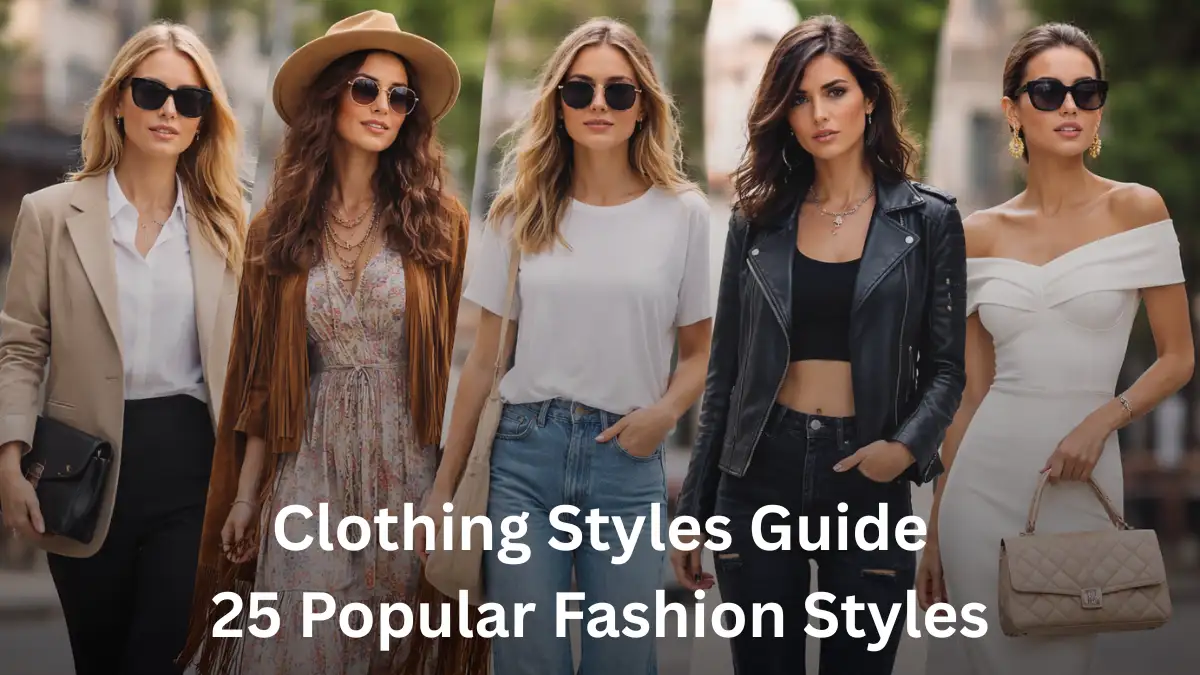

Fashion is more than just clothing. It is a powerful way to express personality, lifestyle, creativity, and even mood. The way someone dresses can say a lot about their preferences, confidence, and identity. For many women, discovering their personal fashion style is an exciting journey that evolves over time.
Understanding different clothing styles can make this journey easier. Instead of randomly buying clothes that may not match each other, learning about fashion styles helps you build a wardrobe that feels consistent and stylish. It also helps you recognize which outfits make you feel comfortable and confident.
This clothing styles guide explores 25 popular fashion styles every woman should know. From timeless classics and elegant chic outfits to bold street style and artistic avant-garde looks, each fashion style offers unique inspiration. By exploring these styles, you can discover wardrobe ideas and build outfits that truly reflect your personality.
Understanding Different Clothing Styles
Clothing styles describe the way people combine garments, colors, fabrics, and accessories to create a particular aesthetic. Some styles focus on simplicity and elegance, while others celebrate bold creativity or cultural inspiration. Understanding these differences helps women experiment with outfits and discover what works best for their lifestyle.
Many women do not follow only one fashion style. Instead, they combine elements from different aesthetics depending on the occasion. For example, someone may prefer casual clothing for everyday activities but choose chic or glamorous outfits for social events. Mixing styles is common and often helps create a more personalized wardrobe.
Fashion styles are also influenced by history and culture. Many modern clothing trends evolved from older fashion movements. For instance, silhouettes inspired by historical periods still appear in contemporary designs. You can see how clothing traditions evolved by exploring eras such as 15th century fashion, which influenced structured garments and decorative clothing details that later appeared in modern fashion.
Learning about clothing styles also helps simplify shopping. When you know the type of fashion you enjoy, it becomes easier to choose pieces that match your wardrobe. Instead of buying random items, you can focus on clothing that complements your personal style.
1. Classic Style
Classic style focuses on timeless elegance and well-tailored clothing that never goes out of fashion. Women who prefer classic fashion usually invest in high-quality wardrobe essentials that can be worn for many years. Instead of following fast fashion trends, this style values simplicity, neutral colors, and structured silhouettes.
Classic clothing pieces often include items such as blazers, tailored trousers, and simple dresses. These garments create polished outfits that work for professional environments and formal occasions. Because the designs are simple and versatile, classic outfits can easily be mixed and matched to create many looks.
- Key features: neutral colors, clean lines, structured garments
- Outfit ideas: blazer with trousers, white shirt with pencil skirt
- Occasions: office, meetings, formal gatherings
2. Casual Style
Casual style is one of the most common clothing styles because it focuses on comfort and practicality. This style is designed for everyday activities such as running errands, meeting friends, or relaxing at home. Casual outfits are simple and relaxed, but they can still look fashionable when styled well.
Women who prefer casual fashion often choose comfortable fabrics and relaxed silhouettes. Denim jeans, t-shirts, hoodies, and sneakers are common pieces in casual wardrobes. Accessories like caps or backpacks can also add personality to casual outfits.
- Key features: relaxed clothing, comfortable fabrics
- Outfit ideas: jeans with sneakers, oversized sweater with leggings
- Occasions: daily wear, travel, casual outings
3. Minimalist Style
Minimalist fashion focuses on simplicity and intentional wardrobe choices. Instead of owning many trendy garments, women who follow this style prefer fewer but higher-quality pieces. Minimalist wardrobes often consist of versatile clothing that can easily be combined to create different outfits.
Neutral colors such as black, white, beige, and grey dominate minimalist fashion. The silhouettes are clean and simple, which creates a modern and sophisticated look. This style is especially popular among women who prefer organized wardrobes and effortless outfits.
- Key features: neutral colors, simple silhouettes
- Outfit ideas: monochrome outfits, structured coats
- Occasions: work, casual events, travel
4. Bohemian Style
Bohemian fashion, often called “boho style,” reflects artistic and free-spirited lifestyles. It combines relaxed clothing with natural fabrics and creative details. Many women love bohemian fashion because it feels expressive, comfortable, and unique.
Bohemian outfits often include flowing dresses, embroidered fabrics, and layered jewelry. Earthy tones such as brown, beige, and olive green are common in this aesthetic. The style is often associated with festivals, travel, and artistic communities.
- Key features: flowy fabrics, layered accessories
- Outfit ideas: maxi dresses, fringe jackets, wide-brim hats
- Occasions: festivals, vacations, outdoor events
5. Vintage Style
Vintage fashion takes inspiration from clothing trends of past decades. Many women enjoy vintage style because it offers unique designs that stand out from modern fast fashion. Vintage clothing often includes retro silhouettes, classic prints, and nostalgic details.
Fashion lovers often recreate looks from eras such as the 1920s, 1950s, or 1970s. These outfits may include high-waisted skirts, retro dresses, or classic accessories. Vintage fashion celebrates history while still allowing room for modern styling.
- Key features: retro designs, nostalgic prints
- Outfit ideas: polka-dot dresses, vintage blouses
- Occasions: themed events, everyday vintage looks
6. Street Style
Street style originates from urban culture and youth fashion movements. Instead of following runway trends, street fashion evolves from everyday people expressing themselves through clothing. It is bold, experimental, and often influenced by music, art, and social media.
Street style encourages individuality. Oversized silhouettes, graphic prints, sneakers, and statement accessories are common. Many modern fashion trends begin as street style before becoming mainstream.
- Key features: oversized clothing, bold graphics
- Outfit ideas: baggy jeans with hoodies, statement sneakers
- Occasions: city outings, casual social gatherings
7. Chic Style
Chic fashion is elegant and polished while still appearing effortless. Women who follow chic style usually prefer simple outfits with refined details. The goal is to look stylish without appearing overly complicated.
Chic outfits often combine classic wardrobe pieces with modern styling. A well-fitted dress, tailored trousers, or a stylish coat can easily create a chic look. Accessories such as handbags or sunglasses often complete the outfit.
- Key features: elegant simplicity, refined accessories
- Outfit ideas: neutral dress with stylish handbag
- Occasions: dinners, professional settings
8. Preppy Style
Preppy fashion is inspired by traditional school and college clothing. It originated from classic American academic fashion and is known for its neat, structured appearance. Preppy outfits often look polished and organized.
This style includes clothing such as polo shirts, cardigans, pleated skirts, and loafers. Preppy fashion often uses patterns like stripes or plaid. The overall look is tidy, classic, and slightly formal.
- Key features: structured outfits, layered sweaters
- Outfit ideas: polo shirt with pleated skirt
- Occasions: casual offices, social gatherings
9. Sporty Style
Sporty fashion is inspired by athletic clothing and active lifestyles. It focuses on comfort, movement, and practicality. Many sporty outfits overlap with the popular athleisure trend, where workout clothing is worn as everyday fashion.
Leggings, sneakers, and track jackets are common in sporty wardrobes. Breathable fabrics and flexible materials make these outfits comfortable for daily activities.
- Key features: athletic fabrics, comfortable fits
- Outfit ideas: leggings with sneakers, joggers with hoodies
- Occasions: workouts, travel, casual wear
10. Glam Style
Glam fashion is dramatic and luxurious. This style is designed to stand out and attract attention. Women who enjoy glam fashion often choose bold makeup, sparkling fabrics, and statement accessories.
Sequins, metallic fabrics, and glamorous dresses are common in glam fashion. These outfits are usually worn for special occasions where elegance and bold fashion statements are welcome.
- Key features: sequins, shiny fabrics
- Outfit ideas: evening gowns, embellished dresses
- Occasions: parties, weddings, red-carpet events
11. Edgy Style
Edgy fashion represents bold and rebellious clothing choices. It often includes dark colors, leather fabrics, and statement accessories. Women who follow edgy fashion usually enjoy experimenting with unconventional outfits.
This style often overlaps with alternative fashion scenes such as rock or punk culture. Leather jackets, ripped jeans, and boots are key elements that create a strong and confident appearance.
- Key features: dark colors, leather textures
- Outfit ideas: leather jacket with ripped jeans
- Occasions: concerts, nightlife, casual statements
12. Gothic Style
Gothic fashion combines dramatic elegance with dark aesthetics. It often uses black clothing, lace fabrics, and vintage-inspired silhouettes. This style is mysterious and artistic, making it popular among people who enjoy expressive fashion.
Many gothic outfits feature dramatic details such as corsets, velvet fabrics, and dark makeup. Even formal events sometimes embrace this aesthetic, as seen in designs like gothic style wedding dresses, which blend romantic elegance with dark dramatic fashion.
- Key features: black clothing, lace, velvet
- Outfit ideas: lace dresses, corsets, boots
- Occasions: themed events, alternative fashion gatherings
13. Romantic Style
Romantic fashion emphasizes softness, elegance, and femininity. This style uses delicate fabrics, flowing silhouettes, and decorative details. Many women enjoy romantic fashion because it creates graceful and dreamy outfits.
Lace dresses, chiffon blouses, and floral prints are common elements. Soft pastel colors and gentle fabrics help create a charming and feminine appearance.
- Key features: lace, ruffles, floral patterns
- Outfit ideas: chiffon dress with delicate jewelry
- Occasions: dates, weddings, social gatherings
14. Grunge Style
Grunge fashion emerged from the 1990s music scene and became popular through alternative rock culture. This style embraces relaxed clothing and slightly messy styling to create an effortless rebellious look.
Flannel shirts, distressed denim, and combat boots are key pieces in grunge wardrobes. The overall appearance often looks intentionally casual and unpolished.
- Key features: oversized flannels, distressed jeans
- Outfit ideas: plaid shirt with boots
- Occasions: casual wear, concerts
15. Cottagecore Style
Cottagecore fashion celebrates countryside living and simple rural aesthetics. It focuses on soft fabrics, vintage-inspired clothing, and natural colors. Many outfits look romantic and nostalgic.
Flowing dresses, knitted cardigans, and floral prints are common in cottagecore wardrobes. This style is often associated with peaceful outdoor lifestyles.
- Key features: floral fabrics, soft textures
- Outfit ideas: prairie dresses with straw hats
- Occasions: picnics, outdoor gatherings
More Popular Fashion Styles for Women
Fashion continues to evolve as designers explore new ideas and cultural influences. Many modern clothing styles blend traditional elements with contemporary trends. Women today have more opportunities than ever to experiment with fashion and create unique wardrobes.
Some styles focus on elegance and professionalism, while others highlight creativity and individuality. Exploring these fashion styles allows women to discover new outfit ideas and express their personality through clothing.
16. Parisian Style
Parisian fashion is known for effortless elegance. Women who follow this style often choose simple outfits that appear naturally stylish. Neutral colors, tailored garments, and minimal accessories define this aesthetic.
17. Business Style
Business fashion focuses on professional and structured clothing suitable for workplaces. Blazers, tailored trousers, and polished dresses help create confident and sophisticated outfits.
18. 1940s Inspired Style
1940s fashion introduced elegant tailoring and feminine silhouettes that continue to influence modern clothing. Designs like 1940s style dresses highlight structured waists and classic elegance.
19. Avant-Garde Style
Avant-garde fashion is experimental and artistic. Designers use unusual shapes, bold fabrics, and creative concepts to challenge traditional fashion rules.
20. Smart Casual Style
Smart casual combines relaxed clothing with polished pieces to create outfits that feel comfortable yet refined.
21. Retro Style
Retro fashion recreates trends from past decades such as the 60s, 70s, and 80s. Bright colors and nostalgic patterns define this aesthetic.
22. Modern Style
Modern clothing styles focus on contemporary designs and clean silhouettes that reflect current fashion trends.
23. Trendy Style
Trendy fashion follows the latest runway and social media trends. This style constantly evolves as new fashion ideas appear.
24. Feminine Style
Feminine fashion emphasizes graceful silhouettes, dresses, skirts, and delicate fabrics.
25. Eclectic Style
Eclectic fashion mixes different clothing styles together. Women who follow this aesthetic enjoy combining unexpected pieces to create unique outfits.
How to Find Your Personal Clothing Style
Finding your personal clothing style takes time and experimentation. Instead of following every trend, it helps to explore different aesthetics and see which outfits feel comfortable and authentic.
- Explore different fashion aesthetics
- Save outfit inspiration
- Invest in versatile wardrobe basics
- Experiment with accessories
- Choose clothing that fits your lifestyle
Final Thoughts
Fashion styles provide endless ways for women to express creativity and personality. Whether you prefer classic elegance, casual comfort, or bold edgy outfits, each style offers unique inspiration.
Understanding these clothing styles can help you build a wardrobe that feels both stylish and personal. By experimenting with different fashion aesthetics, you can discover the looks that make you feel confident every day.
FAQs
1. What are clothing styles in fashion?
Clothing styles refer to different ways people combine garments, colors, fabrics, and accessories to create a specific fashion look. Each style reflects a particular aesthetic, personality, or lifestyle. Examples include classic, casual, bohemian, street style, and minimalist fashion.
2. How can I find my personal clothing style?
Finding your personal style involves experimenting with different outfits and identifying what makes you feel confident and comfortable. You can explore fashion inspiration online, observe styles you admire, and build a wardrobe with versatile pieces that suit your lifestyle.
3. Can someone follow more than one fashion style?
Yes, many women mix different clothing styles depending on the occasion. For example, someone may wear casual outfits during the day but choose chic or glamorous clothing for evening events. Mixing styles helps create a unique and personalized wardrobe.
4. What is the most popular clothing style for everyday wear?
Casual style is one of the most popular choices for everyday wear. It focuses on comfort and practicality with clothing such as jeans, t-shirts, sneakers, and relaxed outfits that are suitable for daily activities.
5. Why is it helpful to understand different fashion styles?
Understanding fashion styles helps you build a consistent wardrobe and avoid buying clothes that do not match each other. It also makes shopping easier because you can focus on clothing that fits your preferred aesthetic.
6. How do fashion trends influence clothing styles?
Fashion trends often introduce new colors, silhouettes, and materials that influence existing styles. However, many clothing styles such as classic, vintage, or minimalist fashion remain timeless and continue to inspire modern wardrobes.
Author Bio
The Editorial Team at UK Digital Life creates informative lifestyle, fashion, and culture content for modern readers. Their writers focus on practical guides, style inspiration, and trend insights to help audiences make better lifestyle and fashion choices.
Disclaimer
This content is published for informational purposes only. Fashion trends and clothing styles may vary depending on personal preferences, culture, and location. Readers should use this information as inspiration when exploring their own fashion choices and developing their personal style.
