
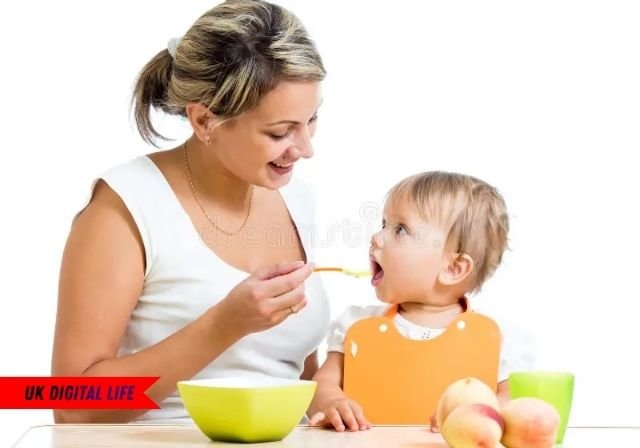

Organic baby food has become an important topic for parents who want safe and clean nutrition for their babies. During infancy, a baby’s body and immune system are still developing, which makes food quality especially important. Organic baby food focuses on natural ingredients, careful farming practices, and limited use of artificial substances. This article explains organic baby food in depth, including how it is made, its benefits, safety standards, nutrition limits, ingredient quality, age-wise feeding, storage, and how parents can make informed choices.
What Is Organic Baby Food?
Organic baby food is made from ingredients grown using approved organic farming methods. These methods avoid synthetic pesticides, chemical fertilizers, genetically modified seeds, artificial colors, and preservatives. Organic farming focuses on soil health, natural pest control, and sustainable practices.
Organic baby food can be store-bought or homemade using certified organic ingredients. Compared to regular baby food, organic options usually have simpler ingredient lists. However, organic refers to how food is produced, not automatically to higher nutrition.
Benefits of Organic Baby Food
One of the main benefits of organic baby food is reduced exposure to pesticide residues. Babies consume more food relative to their body weight, so limiting chemical intake can be helpful.
Organic baby food also avoids artificial additives such as synthetic flavors, colors, and preservatives. This supports cleaner ingredient profiles and easier label reading for parents.
Another benefit is early taste development. Organic foods rely on natural flavors rather than added sweetness, which may help babies accept vegetables and less sweet foods as they grow.
Is Organic Baby Food Safe for Babies?
Organic baby food is safe when it meets official food safety and organic certification standards. Certified organic products must follow strict rules for farming, processing, storage, and packaging.
However, organic does not mean germ-free. All baby food, organic or not, must be prepared and stored correctly. Parents should check expiration dates, follow storage instructions, and discard food that shows signs of spoilage.
Understanding Organic Certifications
Organic labels help parents identify trustworthy products.
- 100% organic: All ingredients are organic
- Organic: At least 95% of ingredients are organic
- Made with organic ingredients: At least 70% organic ingredients
Marketing terms such as “natural” or “farm fresh” are not regulated and do not guarantee organic standards. Parents should rely on official certification labels.
Organic Baby Food Ingredients: What to Look For
High-quality organic baby food has a short and clear ingredient list.
Good ingredients include organic fruits, vegetables, and grains such as apples, carrots, sweet potatoes, oats, and rice.
Parents should avoid products with:
- Added sugar or syrups
- Added salt
- Artificial flavors or colors
- Highly processed fillers
Simple recipes are usually better for babies.
Nutritional Balance: What Parents Should Know
Organic baby food is not automatically nutritionally complete. Babies need a balanced intake of iron, protein, healthy fats, and other essential nutrients.
From around six months of age, iron becomes especially important because a baby’s iron stores begin to decrease. Organic fruits and vegetables alone may not meet this need. Iron-rich foods or fortified options should be included when appropriate, following medical guidance.
Breast milk or infant formula remains the main source of nutrition until the age of one year.
Organic Baby Food by Age Group
Feeding should match a baby’s developmental stage.
Around 6 months
Babies usually start with smooth, single-ingredient purees. Vegetables are often introduced before fruits.
6 to 9 months
Babies can handle thicker textures and simple combinations. Mashed foods help develop chewing skills.
9 to 12 months
Soft finger foods and mixed meals support self-feeding and coordination.
New foods should be introduced one at a time to monitor tolerance.
Organic Baby Food and Allergens
Organic baby food can still contain allergens. Organic does not mean allergen-free.
Common allergens include milk, wheat, soy, eggs, and nuts. These foods should be introduced carefully and in small amounts. Parents should always read labels and consult a healthcare professional if there is a family history of allergies.
Store-Bought vs Homemade Organic Baby Food
Store-bought organic baby food offers convenience and consistent quality. It follows regulated safety standards and is useful for busy schedules or travel.
Homemade organic baby food gives parents full control over ingredients and freshness. However, it requires careful food handling, cooking, and storage to remain safe.
Many families choose a mix of both options depending on their needs.
Storage and Handling Safety
Because organic baby food usually contains fewer preservatives, proper storage is essential.
Opened jars or pouches should be refrigerated and used within the recommended time. Homemade baby food can be frozen in small portions. Reheated food should never be stored again, and clean utensils should always be used.
Environmental Impact of Organic Baby Food
Organic farming supports soil health, reduces chemical runoff, and promotes biodiversity. While environmental benefits should not be the only reason to choose organic baby food, they are an added advantage for families concerned about sustainability.
Common Myths About Organic Baby Food
A common myth is that organic baby food is always healthier. Nutrition depends on food variety and balance, not just organic labeling.
Another myth is that organic baby food is unnecessary. While not essential, it can be a useful option for parents who want to limit chemical exposure.
Organic food also still requires safe handling and proper storage.
FAQs
Is organic baby food worth it?
It can help reduce chemical exposure, but the choice should fit your family’s budget and needs.
Can babies eat organic baby food every day?
Yes, as part of a balanced and varied diet.
When should organic baby food be introduced?
Most babies can begin solid foods, including organic options, around six months, after medical advice.
Final Thoughts
Organic baby food can be a safe and thoughtful choice for parents who want clean ingredients and simple nutrition for their babies. While it offers benefits such as reduced pesticide exposure and fewer additives, it should always be part of a balanced feeding approach that includes essential nutrients, safe preparation, and age-appropriate variety. Making informed choices helps support healthy growth during a baby’s early development.
Medical Disclaimer: This article is for informational purposes only and does not replace professional medical advice. Always consult a pediatrician or qualified healthcare professional before introducing new foods or making dietary changes for your baby.
