
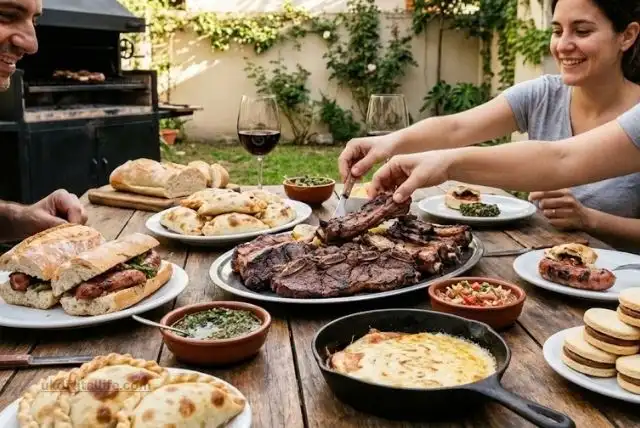
Argentine food is known for its rich taste, simple cooking style, and strong cultural traditions. It is especially famous for high-quality beef, grilled meats, and meals shared with family and friends. In Argentina, food is not just about eating. It is about spending time together, relaxing, and enjoying long conversations around the table.
Many people search for Argentine food to understand what people eat in Argentina and why its cuisine is loved around the world. This article explains what Argentine food is, the main ingredients used, popular dishes, street food, desserts, eating habits, and why it stands out from other cuisines.
What Is Argentine Food?
Argentine food is the traditional cuisine of Argentina. It developed through a mix of Indigenous cooking traditions and strong European influence, mainly from Spain and Italy. Over the years, immigration shaped how Argentines cook and eat today.
Argentine food usually focuses on natural flavors rather than heavy spices. Most dishes are lightly seasoned, allowing the quality of ingredients to stand out. Grilling, baking, and slow cooking are common methods used across the country.
Key Ingredients Used in Argentine Food
Beef is the most important ingredient in Argentine food. The country is famous for its cattle farming, and beef is eaten in many forms, especially grilled. Different cuts of meat are valued, and quality is taken very seriously.
Corn and wheat are also widely used. Corn appears in traditional dishes, while wheat is used for bread, pasta, and baked foods. Dairy products such as cheese, milk, and cream are common because of European influence.
Vegetables like potatoes, onions, squash, tomatoes, and peppers are used in daily cooking. Seasoning is usually simple, with salt, garlic, oregano, and mild herbs being more common than spicy chilies.
Top 20 Popular Argentine Dishes
Argentina has a wide variety of traditional and modern dishes that reflect its history, regional diversity, and love for simple cooking. These popular foods are eaten across the country in homes, restaurants, and street stalls.
1. Asado
Short Description: A traditional Argentine barbecue where different cuts of meat are grilled slowly over fire.
Taste: Smoky, juicy, rich.
Main Ingredients: Beef, sausages, salt.
Why People Love It: Social experience and high-quality meat.
Where to Find It: Homes, asado restaurants, family gatherings.
Average Price: $15–$30
2. Empanadas
Short Description: Baked or fried pastries filled with meat, cheese, or vegetables.
Taste: Savory, slightly buttery.
Main Ingredients: Dough, beef or cheese, onions, spices.
Why People Love It: Easy to eat and full of flavor.
Where to Find It: Bakeries, street food stalls.
Average Price: $1–$3 each
3. Milanesa
Short Description: Breaded and fried meat cutlet, similar to schnitzel.
Taste: Crispy, mild, meaty.
Main Ingredients: Beef or chicken, breadcrumbs, eggs.
Why People Love It: Simple, filling comfort food.
Where to Find It: Homes, casual restaurants.
Average Price: $8–$15
4. Choripán
Short Description: A sandwich made with grilled chorizo sausage in bread.
Taste: Smoky, salty, juicy.
Main Ingredients: Chorizo sausage, bread, chimichurri.
Why People Love It: Quick, tasty street food.
Where to Find It: Street stalls, football stadiums.
Average Price: $4–$7
5. Provoleta
Short Description: Grilled provolone cheese served hot as a starter.
Taste: Salty, creamy, smoky.
Main Ingredients: Provolone cheese, oregano.
Why People Love It: Melted cheese with crispy edges.
Where to Find It: Asado restaurants.
Average Price: $6–$10
6. Locro
Short Description: A thick traditional stew eaten on national holidays.
Taste: Rich, hearty, slightly smoky.
Main Ingredients: Corn, beans, meat, vegetables.
Why People Love It: Very filling and traditional.
Where to Find It: Festivals, traditional restaurants.
Average Price: $7–$12
7. Humita
Short Description: A soft corn dish wrapped in corn husks.
Taste: Sweet, creamy, mild.
Main Ingredients: Corn, onions, cheese.
Why People Love It: Natural and comforting flavor.
Where to Find It: Traditional homes, rural areas.
Average Price: $5–$8
8. Fugazza
Short Description: Argentine-style onion pizza with thick dough.
Taste: Soft, savory, slightly sweet.
Main Ingredients: Dough, onions, cheese.
Why People Love It: Simple and filling pizza style.
Where to Find It: Pizzerias.
Average Price: $8–$14
9. Matambre
Short Description: Thin cut of beef rolled with vegetables and eggs.
Taste: Savory, tender.
Main Ingredients: Beef, eggs, vegetables.
Why People Love It: Traditional and flavorful.
Where to Find It: Homes, restaurants.
Average Price: $10–$18
10. Bondiola
Short Description: Slow-cooked pork shoulder often served as a sandwich.
Taste: Juicy, rich, meaty.
Main Ingredients: Pork, spices, bread.
Why People Love It: Very tender meat.
Where to Find It: Street food stalls.
Average Price: $6–$10
11. Sorrentinos
Short Description: Large stuffed pasta filled with cheese or ham.
Taste: Creamy, mild.
Main Ingredients: Pasta dough, cheese, ham.
Why People Love It: Comforting Italian-style dish.
Where to Find It: Italian restaurants.
Average Price: $9–$15
12. Ñoquis (Gnocchi)
Short Description: Soft potato dumplings eaten monthly by tradition.
Taste: Soft, mild.
Main Ingredients: Potatoes, flour, eggs.
Why People Love It: Cultural tradition and comfort food.
Where to Find It: Homes, restaurants.
Average Price: $8–$12
13. Ravioles
Short Description: Stuffed pasta similar to ravioli.
Taste: Savory, creamy.
Main Ingredients: Pasta, cheese, meat.
Why People Love It: Familiar and filling.
Where to Find It: Restaurants, homes.
Average Price: $9–$14
14. Polenta
Short Description: Cornmeal dish served soft or grilled.
Taste: Mild, creamy.
Main Ingredients: Cornmeal, cheese, sauce.
Why People Love It: Cheap and filling.
Where to Find It: Homes, casual restaurants.
Average Price: $5–$9
15. Vitel Toné
Short Description: Cold sliced beef served with creamy tuna sauce.
Taste: Creamy, mild, savory.
Main Ingredients: Beef, tuna, mayonnaise.
Why People Love It: Popular holiday dish.
Where to Find It: Christmas meals, restaurants.
Average Price: $10–$18
16. Carbonada
Short Description: Meat and vegetable stew sometimes served in pumpkin.
Taste: Sweet and savory.
Main Ingredients: Beef, vegetables, fruits.
Why People Love It: Unique flavor mix.
Where to Find It: Traditional restaurants.
Average Price: $8–$14
17. Puchero
Short Description: Boiled meat and vegetable dish.
Taste: Light, savory.
Main Ingredients: Meat, potatoes, vegetables.
Why People Love It: Simple and nutritious.
Where to Find It: Homes.
Average Price: $6–$10
18. Pastelitos
Short Description: Fried pastries filled with sweet jam.
Taste: Sweet, crispy.
Main Ingredients: Dough, quince or sweet potato jam.
Why People Love It: Traditional dessert snack.
Where to Find It: Bakeries, festivals.
Average Price: $1–$2 each
19. Tamales
Short Description: Corn dough filled with meat and wrapped in leaves.
Taste: Savory, soft.
Main Ingredients: Corn dough, meat, spices.
Why People Love It: Traditional regional food.
Where to Find It: Northern Argentina.
Average Price: $3–$6
20. Alfajores
Short Description: Soft cookies filled with dulce de leche.
Taste: Sweet, creamy.
Main Ingredients: Cookies, dulce de leche.
Why People Love It: Famous Argentine sweet treat.
Where to Find It: Bakeries, supermarkets.
Average Price: $1–$3
Argentine Street Food
Street food is an important part of Argentine food culture, especially in cities and during events. Street food is usually simple, filling, and affordable.
Many street foods are meat-based and grilled fresh. Sandwiches, pastries, and fried snacks are popular because they are easy to eat on the go. Sweet street foods are also common, especially those filled with dulce de leche.
Street food is often enjoyed during football matches, festivals, and evening walks, making it a social experience as well as a meal.
Traditional Argentine Desserts
Desserts are an essential part of Argentine food, and many of them are based on milk and sugar. Sweets are often enjoyed with coffee or as an afternoon snack.
Dulce de leche is the most famous ingredient in Argentine desserts. It is used in cakes, cookies, pastries, and ice cream. Other popular desserts include soft cookies, custards, and rich cakes.
Ice cream is also very popular in Argentina. Many ice cream shops follow Italian-style methods, offering creamy textures and classic flavors.
Food Culture and Eating Habits in Argentina
Food culture in Argentina is strongly social. Meals are meant to be shared, and people often eat together with family or friends. Weekend meals are especially important and can last several hours.
Dinner in Argentina is usually eaten late, often after 9 p.m. Lunch is lighter, while dinner is more relaxed and social. Barbecue gatherings are common and are seen as a way to connect rather than just eat.
Sharing food, talking, and enjoying the moment are key values in Argentine food culture.
Is Argentine Food Healthy?
Argentine food can be healthy when eaten in balance. Grilled meats provide protein and iron, while vegetables and salads add nutrients. Many dishes use fresh ingredients and simple cooking methods.
However, meat portions can be large, and desserts can be high in sugar. A balanced approach with smaller portions and more vegetables makes Argentine food suitable for a healthy lifestyle.
Argentine Food vs Other Latin American Foods
Argentine food is different from many other Latin American cuisines. It uses fewer spices and focuses more on meat, dairy, and bread. Chilies and strong seasonings are less common.
European influence is very strong, especially in pasta, pizza, and desserts. This gives Argentine food a unique identity within Latin America.
Why Argentine Food Is Loved Worldwide
People around the world love Argentine food because of its rich flavors, high-quality ingredients, and simple preparation. The focus on fresh meat and traditional cooking methods makes the food satisfying and comforting.
Argentine food is also linked to warmth, hospitality, and togetherness, which adds to its global appeal.
Conclusion
Argentine food reflects the country’s culture, traditions, and love for shared meals. From grilled meats and comforting dishes to sweet desserts made with dulce de leche, it offers simple yet rich flavors. Whether enjoyed in Argentina or abroad, Argentine food continues to attract people because of its quality, tradition, and strong sense of togetherness.
Argentine food stands out for its simple flavors and focus on grilled meats. It is very different from German foods, which often use heavier cooking styles, and Malaysian food, known for bold spices. For a completely different experience, weird British food shows how food traditions can vary across cultures.
This guide is based on traditional Argentine cooking practices and commonly eaten foods across different regions of Argentina.