
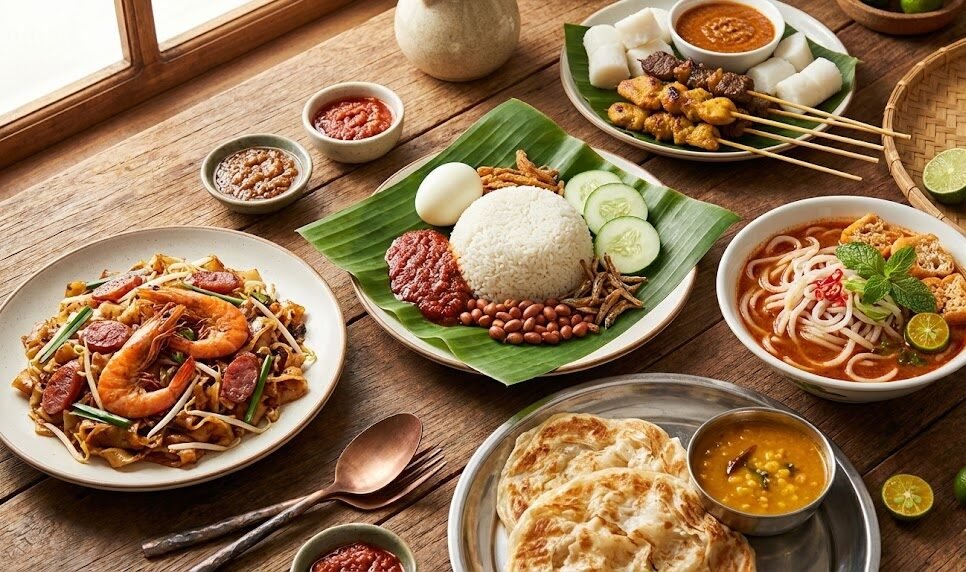

Malaysian food is one of the most exciting food cultures in the world. It is bold, colourful, and full of amazing flavours that stay in your mind long after the meal is over. With Malay, Chinese, and Indian influences, every dish feels like a beautiful mix of traditions coming together on one plate.
Today, Malaysian dishes like Nasi Lemak, Laksa, Satay, and Char Kway Teow are loved not just in Malaysia but all around the world. Whether you enjoy spicy curries, sweet desserts, smoky noodles, or light comfort food, Malaysian cuisine has something delicious for everyone. Get ready to explore 25 must-try dishes that show the true heart and taste of Malaysia!
What Makes Malaysian Food Special?
Malaysian cuisine is more than just food — it is a mix of traditions, stories, and flavours passed down for generations.
• Unique Spices and Aroma
Malaysian cooking uses fresh, fragrant ingredients like lemongrass, pandan, curry leaves, ginger, galangal, and coconut milk. These natural aromatics give the food deep flavour and a unique smell that you remember instantly.
• Cultural Blend That Creates New Flavours
Because Malaysia has many ethnic groups, the food has blended beautifully over time.
You can see this in dishes like:
- Nyonya Laksa (Chinese + Malay mix)
- Mee Goreng Mamak (Indian Muslim + Malay style)
- Nasi Kandar (Indian Muslim curries from Penang)
This cultural combination makes Malaysian cuisine rich and exciting.
• Strong Street Food Culture
Street food is a big part of daily Malaysian life. Hawker centres, night markets, and Ramadan bazaars offer fresh meals at affordable prices. Malaysia is now considered one of Asia’s top street-food countries, often compared with Thailand and Singapore.
• Fresh Local Ingredients
Malaysia uses local ingredients every day — fresh seafood, herbs, tropical fruits, vegetables, and spices. This freshness gives Malaysian food a natural and vibrant taste.
25 Must-Try Malaysian Dishes
Popular National Dishes
1. Nasi Lemak
Short Description: Malaysia’s national dish with coconut rice and spicy sambal.
• Taste: Creamy, spicy, and fragrant.
• Main Ingredients: Coconut rice, sambal, egg, peanuts, anchovies, cucumber.
• Why People Love It: Simple, tasty, and very satisfying.
• Where to Find It: Everywhere—hawker stalls, cafés, restaurants.
• Spice Level: Medium to spicy.
• Best Time to Eat: Breakfast or anytime.
• Variations: With fried chicken, squid, or beef rendang.
• Fun Fact: Many Malaysians eat it every morning.
2. Char Kway Teow
Short Description: Stir-fried flat noodles cooked over high heat.
• Taste: Smoky, savoury, and slightly sweet.
• Main Ingredients: Flat rice noodles, prawns, egg, soy sauce, bean sprouts.
• Why People Love It: Strong “wok hei” flavour.
• Where to Find It: Penang street stalls, hawker centres.
• Spice Level: Mild.
• Best Time to Eat: Lunch or dinner.
• Variations: With cockles, Chinese sausage, or extra prawns.
• Fun Fact: Penang’s version is the most famous.
3. Laksa
Short Description: A rich noodle soup with spicy broth.
• Taste: Creamy or sour depending on the type.
• Main Ingredients: Noodles, coconut milk or tamarind, herbs, sambal.
• Why People Love It: Strong flavour and warm comfort.
• Where to Find It: Penang, Sarawak, and KL stalls.
• Spice Level: Medium to spicy.
• Best Time to Eat: Lunch or dinner.
• Variations: Curry Laksa, Assam Laksa, Sarawak Laksa.
• Fun Fact: Each state in Malaysia has its own laksa style.
4. Roti Canai
Short Description: Soft, flaky flatbread served with curry.
• Taste: Lightly crispy and buttery.
• Main Ingredients: Flour, butter, ghee, curry dips.
• Why People Love It: Cheap, filling, and addictive.
• Where to Find It: Mamak shops everywhere.
• Spice Level: Mild (depends on curry).
• Best Time to Eat: Breakfast or supper.
• Variations: Roti telur, roti boom, roti tisu.
• Fun Fact: The dough is flipped in the air before cooking.
5. Satay
Short Description: Grilled meat skewers served with peanut sauce.
• Taste: Smoky, sweet, and savoury.
• Main Ingredients: Chicken or beef, spices, peanut sauce.
• Why People Love It: Perfect snack and very flavourful.
• Where to Find It: Night markets and satay stalls.
• Spice Level: Mild.
• Best Time to Eat: Dinner or snack time.
• Variations: Chicken satay, beef satay, lamb satay.
• Fun Fact: Satay is enjoyed across Southeast Asia.
Malaysian Malay Dishes
6. Rendang
Short Description: Slow-cooked beef in coconut milk and spices.
• Taste: Rich, savoury, and slightly spicy.
• Main Ingredients: Beef, coconut milk, lemongrass, spices.
• Why People Love It: Tender meat and deep flavour.
• Where to Find It: Malay restaurants and festive events.
• Spice Level: Medium.
• Best Time to Eat: Lunch or dinner.
• Variations: Chicken rendang, dry rendang.
• Fun Fact: Often called the “world’s best beef dish.”
7. Mee Goreng Mamak
Short Description: Spicy fried noodles made in mamak shops.
• Taste: Savoury, tangy, and slightly spicy.
• Main Ingredients: Yellow noodles, tofu, potatoes, egg, sauce.
• Why People Love It: Strong flavour and filling.
• Where to Find It: Mamak stalls.
• Spice Level: Medium.
• Best Time to Eat: Anytime.
• Variations: Mee goreng sotong, mee goreng special.
• Fun Fact: The mix of Malay and Indian flavours makes it unique.
8. Nasi Kerabu
Short Description: Blue-coloured rice served with herbs and meat.
• Taste: Fresh, herbal, and light.
• Main Ingredients: Blue rice, herbs, vegetables, grilled meat.
• Why People Love It: Very colourful and healthy.
• Where to Find It: Kelantan and Malay restaurants.
• Spice Level: Mild to medium.
• Best Time to Eat: Lunch.
• Variations: With fried chicken or fish.
• Fun Fact: The blue colour comes from butterfly pea flower.
9. Ayam Percik
Short Description: Grilled chicken with creamy spicy sauce.
• Taste: Smoky, sweet, and spicy.
• Main Ingredients: Chicken, coconut milk, chilli, spices.
• Why People Love It: Soft chicken with rich sauce.
• Where to Find It: Ramadan bazaars and roadside stalls.
• Spice Level: Medium.
• Best Time to Eat: Dinner.
• Variations: Kelantan style, East Coast style.
• Fun Fact: The word “percik” means “splash with sauce.”
10. Lontong
Short Description: Rice cakes served with vegetable curry.
• Taste: Mild, creamy, and soft.
• Main Ingredients: Rice cakes, coconut gravy, vegetables.
• Why People Love It: Light and good for breakfast.
• Where to Find It: Malay breakfast shops.
• Spice Level: Mild.
• Best Time to Eat: Breakfast.
• Variations: Lontong Jawa, lontong sayur.
• Fun Fact: Very popular during Eid mornings.
Malaysian Chinese Dishes
11. Hainanese Chicken Rice
Short Description: Soft chicken served with fragrant rice.
• Taste: Light, savoury, and smooth.
• Main Ingredients: Chicken, rice, ginger, garlic.
• Why People Love It: Very simple and comforting.
• Where to Find It: Chinese eateries, food courts.
• Spice Level: Mild.
• Best Time to Eat: Lunch.
• Variations: Roasted chicken or steamed chicken.
• Fun Fact: It is one of Malaysia’s most popular lunch dishes.
12. Hokkien Mee
Short Description: Thick noodles in dark soy sauce with meat and seafood.
• Taste: Savoury, smoky, and slightly sweet.
• Main Ingredients: Thick noodles, prawns, pork, soy sauce.
• Why People Love It: Very filling and rich.
• Where to Find It: KL hawker stalls.
• Spice Level: Mild.
• Best Time to Eat: Dinner.
• Variations: Penang Hokkien Mee (spicy soup).
• Fun Fact: KL and Penang versions are completely different.
13. Curry Mee
Short Description: Noodles in spicy curry broth.
• Taste: Creamy, spicy, and aromatic.
• Main Ingredients: Curry soup, tofu, noodles, fish cakes.
• Why People Love It: Warm, comforting flavour.
• Where to Find It: Penang, KL, food courts.
• Spice Level: Medium to spicy.
• Best Time to Eat: Lunch.
• Variations: White curry mee, Penang curry mee.
• Fun Fact: White curry mee went viral recently.
14. Yong Tau Foo
Short Description: Vegetables and tofu stuffed with meat paste.
• Taste: Light, savoury, and gentle.
• Main Ingredients: Tofu, vegetables, fish paste.
• Why People Love It: Healthy and customizable.
• Where to Find It: Chinese restaurants and hawker centres.
• Spice Level: Mild.
• Best Time to Eat: Lunch or dinner.
• Variations: Dry or soup version.
• Fun Fact: You can pick your favourite items before cooking.
15. Bak Kut Teh
Short Description: Herbal soup with pork ribs.
• Taste: Warm, herbal, and earthy.
• Main Ingredients: Pork, herbs, spices, garlic.
• Why People Love It: Healing and comforting.
• Where to Find It: Klang and Chinese shops.
• Spice Level: Mild.
• Best Time to Eat: Breakfast or dinner.
• Variations: Dry bak kut teh, spicy version.
• Fun Fact: Klang is known as the “Bak Kut Teh capital.”
Malaysian Indian Dishes
16. Banana Leaf Rice
Short Description: Rice served on banana leaf with curries and vegetables.
• Taste: Savoury, spicy, and aromatic.
• Main Ingredients: Rice, curry, vegetables, papad.
• Why People Love It: Fresh flavours and many side dishes.
• Where to Find It: Indian restaurants and banana leaf shops.
• Spice Level: Medium.
• Best Time to Eat: Lunch.
• Variations: Fish curry, chicken curry, vegetarian set.
• Fun Fact: Eating on a banana leaf is believed to boost flavour.
17. Nasi Kandar
Short Description: Rice served with different curries and fried items.
• Taste: Spicy, rich, and bold.
• Main Ingredients: Rice, curries, fried chicken, seafood.
• Why People Love It: You can mix many curry flavours at once.
• Where to Find It: Penang and Nasi Kandar shops.
• Spice Level: Medium to spicy.
• Best Time to Eat: Lunch or dinner.
• Variations: Cheese naan with tandoori, extra curry mix.
• Fun Fact: Penang is the home of Nasi Kandar.
18. Chicken Curry
Short Description: Spicy and rich Indian-style curry.
• Taste: Spicy, creamy, and aromatic.
• Main Ingredients: Chicken, curry powder, coconut milk, spices.
• Why People Love It: Strong and satisfying flavour.
• Where to Find It: Indian and mamak restaurants.
• Spice Level: Spicy.
• Best Time to Eat: Lunch or dinner.
• Variations: Dry curry, coconut curry.
• Fun Fact: Every family has its own curry recipe.
19. Thosai (Dosa)
Short Description: Thin crispy crepe served with chutney and sambar.
• Taste: Light, tangy, and crispy.
• Main Ingredients: Rice batter, lentils, chutney.
• Why People Love It: Healthy and easy to digest.
• Where to Find It: Indian and mamak shops.
• Spice Level: Mild.
• Best Time to Eat: Breakfast.
• Variations: Masala thosai, paper thosai.
• Fun Fact: The “paper thosai” is almost the size of your arm.
20. Tandoori Chicken with Naan
Short Description: Bright red grilled chicken served with soft naan.
• Taste: Smoky, spicy, and juicy.
• Main Ingredients: Chicken, yoghurt, spices, naan bread.
• Why People Love It: Strong flavour and good with naan.
• Where to Find It: Indian and mamak outlets.
• Spice Level: Medium.
• Best Time to Eat: Dinner.
• Variations: Butter naan, garlic naan, spicy tandoori.
• Fun Fact: Cooked in a clay oven called a tandoor.
Malaysian Snacks & Street Foods
21. Pisang Goreng
Short Description: Crispy deep-fried bananas.
• Taste: Sweet and crunchy.
• Main Ingredients: Bananas, flour batter.
• Why People Love It: Simple and addictive.
• Where to Find It: Roadside stalls and evening markets.
• Spice Level: None.
• Best Time to Eat: Evening snack.
• Variations: Cheese-topped pisang goreng.
• Fun Fact: It is one of Malaysia’s favourite street snacks.
22. Apam Balik
Short Description: Soft pancake filled with peanuts and sugar.
• Taste: Sweet, soft, and crunchy.
• Main Ingredients: Flour, peanuts, sugar, corn.
• Why People Love It: Cheap, tasty, and comforting.
• Where to Find It: Night markets.
• Spice Level: None.
• Best Time to Eat: Snack time.
• Variations: Thin version, thick version.
• Fun Fact: Also called “turnover pancake.”
23. Keropok Lekor
Short Description: Fried fish crackers from the East Coast.
• Taste: Savoury and chewy.
• Main Ingredients: Fish paste, flour.
• Why People Love It: Hot, fresh, and flavourful.
• Where to Find It: Terengganu stalls.
• Spice Level: None.
• Best Time to Eat: Evening snack.
• Variations: Fried or boiled.
• Fun Fact: Best eaten with spicy chilli sauce.
24. Kaya Toast
Short Description: Toast bread with kaya (coconut jam) and butter.
• Taste: Sweet, creamy, and soft.
• Main Ingredients: Bread, kaya, butter.
• Why People Love It: Perfect with coffee or tea.
• Where to Find It: Kopitiams (coffee shops).
• Spice Level: None.
• Best Time to Eat: Breakfast.
• Variations: Kaya butter bun, charcoal toast.
• Fun Fact: Often served with soft-boiled eggs.
25. Cendol
Short Description: Cold dessert with coconut milk and palm sugar.
• Taste: Sweet, refreshing, and creamy.
• Main Ingredients: Coconut milk, shaved ice, green jelly, gula melaka.
• Why People Love It: Great for hot weather.
• Where to Find It: Roadside stalls and dessert shops.
• Spice Level: None.
• Best Time to Eat: Afternoon.
• Variations: Durian cendol, extra gula melaka.
• Fun Fact: Malaysia and Indonesia both claim it as theirs!
Best Places to Try Malaysian Food
Penang – The Food Capital of Malaysia
Penang is internationally known for its street food. Places like George Town and Gurney Drive offer famous dishes such as Char Kway Teow, Assam Laksa, Hokkien Mee, and Nasi Kandar. Travel magazines in 2024 and 2025 listed Penang among the Top 10 Food Cities in the World.
Kuala Lumpur – Modern + Traditional Mix
Kuala Lumpur gives you everything — luxury restaurants, trendy cafés, and traditional stalls. Areas like Jalan Alor, Brickfields, Kampung Baru, and Bukit Bintang are packed with delicious food choices.
Melaka – Heritage & Nyonya Cuisine
Melaka is loved for its Peranakan (Nyonya) food, a beautiful mix of Malay and Chinese cooking. Popular dishes include Ayam Pongteh, Nyonya Laksa, Kuih, and Chicken Rice Balls.
Sabah & Sarawak – East Malaysian Flavours
East Malaysia has a different food identity.
Sabah offers Hinava, fresh seafood, and Tuaran Mee, while Sarawak is famous for Sarawak Laksa, Kolok Mee, Midin fern dishes, and Kek Lapis.
These regions offer flavours that feel completely new and exciting.
Malaysian Food for Beginners
Malaysian cuisine has many strong flavours, but beginners can start with mild and friendly dishes.
Mild and Easy Dishes (Great for First-Timers)
- Hainanese Chicken Rice – soft and gentle
- Roti Canai – crispy and buttery
- Mee Goreng – savoury fried noodles
- Satay – grilled meat with peanut sauce
- Nasi Lemak (less spicy sambal) – creamy and fragrant
Vegetarian-Friendly Choices
Malaysia has many plant-based foods:
- Thosai (Dosa)
- Banana Leaf Rice (vegetarian set)
- Vegetable curry
- Yong Tau Foo (vegetable picks)
- Stir-fried tofu and greens
Budget-Friendly Options
Hawker stalls and food courts offer full meals at low prices. Malaysia is one of the best countries for cheap but high-quality street food, making it perfect for travellers and students.
Malaysian Desserts & Drinks You Should Not Miss
Cendol
A refreshing dessert made with green jelly, coconut milk, shaved ice, and palm sugar (gula melaka). It is perfect for hot weather and extremely popular all over Malaysia.
Ais Kacang
A colourful shaved-ice dessert topped with sweet syrups, beans, jelly, corn, and sometimes ice cream. It is cold, sweet, and fun to eat.
Teh Tarik
Known as Malaysia’s “pulled tea,” Teh Tarik is creamy, smooth, and slightly sweet. It is a national favourite found in every mamak shop.
Kuih (Traditional Malaysian Sweets)
Kuih comes in many shapes, colours, and flavours. Most kuih are made with coconut, pandan, glutinous rice, and palm sugar. They are soft, chewy, and perfect for tea time.
Tips for Enjoying Malaysian Food
Eat Like a Local
Malaysians love sharing food. It is common to order many dishes and share them at the table. Eating with your hands is also normal when eating banana leaf rice, nasi lemak, or certain Malay dishes.
Street Food Hygiene Tips
Choose stalls that are busy and have a long queue—this usually means the food is fresh. Look for clean cooking areas and proper food handling.
Must-Try Food Combinations
To enjoy Malaysian food at its best, try these combos:
- Roti Canai + Teh Tarik
- Nasi Lemak + Fried Chicken
- Kaya Toast + Soft-Boiled Eggs
- Satay + Ketupat (Rice Cakes)
- Char Kway Teow + Lime Juice
These pairings are loved across the country.
Conclusion
Malaysian food is more than just a meal — it is a full experience of flavour, colour, and culture. From spicy laksa to sweet cendol, from soft roti canai to smoky satay, every dish tells a story passed down through generations. Whether you are a traveller, a food lover, or someone trying Malaysian food for the first time, there is always something new and exciting to taste.
If you want comfort, adventure, or bold flavours, Malaysian cuisine has it all. So keep exploring, try different dishes, and enjoy the rich food world that Malaysia proudly shares with the world. Your next favourite dish might be waiting at a street stall, a night market, or a simple local shop!
FAQs
1. What is the most famous Malaysian food?
Nasi Lemak is the most famous dish and is considered Malaysia’s national food.
2. Is Malaysian food spicy?
Some dishes are spicy, but many mild options are available. You can always ask for less spicy sambal.
3. What is the national food of Malaysia?
Malaysia’s national dish is Nasi Lemak.
4. What Malaysian dish is good for beginners?
Hainanese Chicken Rice, Roti Canai, Satay, and mild Nasi Lemak are great beginner-friendly choices.
