
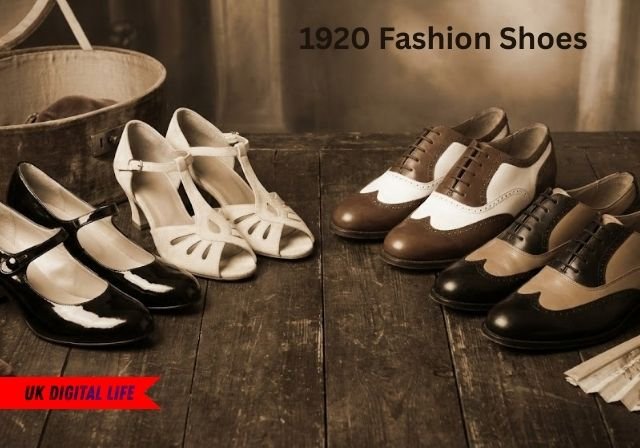

1920 fashion shoes marked a turning point in fashion history. Before the 1920s, shoes were mostly hidden under long dresses and were not treated as an important style element. During the Roaring Twenties, hemlines rose, social life expanded, and footwear became clearly visible. As a result, shoes became a key part of personal style.
This decade introduced footwear that balanced fashion, comfort, and movement. Shoes were designed for walking, working, dancing, and socializing. This article offers detailed, verified, and engaging information about 1920 fashion shoes, covering history, design, materials, cultural meaning, and lasting influence.
What Are 1920 Fashion Shoes
1920 fashion shoes refer to footwear styles worn between 1920 and 1929. These shoes reflected a modern and active lifestyle shaped by social change after World War I. Unlike earlier periods, comfort and practicality were no longer ignored.
Key characteristics of 1920 fashion shoes included:
- Low to medium heels for balance and comfort
- Rounded or almond-shaped toes
- Secure straps, buckles, or laces
- Lightweight construction suitable for daily wear
These features clearly separated 1920s footwear from earlier stiff and restrictive designs.
Historical Background of 1920 Fashion Shoes
The end of World War I brought major social and economic changes. More women entered the workforce and gained independence. Clothing became simpler and more practical, and shoes followed the same direction.
At the same time, shoe manufacturing improved. Factories adopted standard sizing, better machinery, and faster production. Shoes became more affordable and accessible to the middle class. Fashion magazines, catalogs, and advertisements helped spread new shoe styles quickly, especially in growing cities.
Why Shoes Became Important in the 1920s
One of the most important fashion changes of the decade was the rise of shorter skirts. Dresses moved from ankle length to mid-calf or knee length, making shoes fully visible in everyday life.
Because of this, shoes became:
- A visible style statement
- A way to show modern taste
- An important part of a complete outfit
Women began matching shoes with dresses and accessories, something that was uncommon before the 1920s.
Popular Women’s Shoe Styles in the 1920s
Mary Jane Shoes
Mary Jane shoes were among the most widely worn shoes of the decade. They featured a single strap across the instep and a low heel. These shoes were easy to wear and provided good support, making them suitable for long days.
They were popular because they were:
- Comfortable for walking and working
- Secure on the foot
- Appropriate for daily activities
Women of all ages wore Mary Jane shoes, from young flappers to working women.
T-Strap Shoes
T-strap shoes became popular with the rise of jazz music and dance halls. The vertical strap helped keep the foot in place during movement.
These shoes were commonly worn at parties and clubs and usually featured:
- A medium-height heel
- Buckle closures
- Leather or satin materials
T-strap shoes became strongly associated with nightlife and social freedom.
Pumps and Court Shoes
Pumps had a clean design with no straps. They were worn during the day and for semi-formal occasions. These shoes offered a simple and elegant look while still maintaining comfort.
Evening and Party Shoes
Evening shoes were more decorative than daily footwear. They were often made from satin or silk and decorated with beads or embroidery. Despite their appearance, heel heights remained moderate to allow movement and comfort.
Popular Men’s Shoe Styles in the 1920s
Oxford Shoes
Oxford shoes were the most common men’s footwear during the 1920s. They were worn for work, business, and formal events.
Typical features included:
- Closed lacing
- Leather construction
- Dark colors such as black and brown
Two-Tone and Spectator Shoes
Two-tone shoes, often called spectator shoes, became fashionable in the mid-1920s. These shoes used contrasting colors and stood out in social settings.
They were especially popular among:
- Musicians
- Entertainers
- Fashion-forward urban men
These shoes symbolized confidence and modern style.
Casual and Sports Shoes
Leisure activities became more popular in the 1920s. As a result, lighter leather and canvas shoes appeared for casual wear and sports like tennis and golf.
Heel Height, Comfort, and Shoe Construction
High heels were uncommon in the 1920s. Most women’s shoes had heels between 1 and 2 inches. These heels were wide and stable, making them suitable for walking and dancing.
Shoe construction improved with:
- Flexible soles
- Strong stitching
- Better heel support
These improvements made shoes more durable and practical for everyday use.
Materials Used in 1920 Fashion Shoes
Shoemakers selected materials based on function and occasion. Common materials included:
- Leather for daily and formal shoes
- Suede for softer and stylish designs
- Satin and silk for evening footwear
- Canvas for casual and sports shoes
Improved dye techniques allowed shoes to be produced in a wider range of colors.
Colors and Decorative Trends
Neutral tones were the most popular. Black, brown, cream, beige, and white dominated everyday footwear. Two-tone designs became especially fashionable during the mid to late 1920s.
Decoration remained simple. Buckles, straps, and small cut-out patterns were used instead of heavy ornamentation, keeping shoes elegant and wearable.
Cultural and Social Influence of 1920 Fashion Shoes
1920 fashion shoes reflected deeper cultural changes. The rise of flapper culture challenged traditional fashion rules. Jazz music and dancing required flexible and comfortable footwear.
Shoes became symbols of:
- Women’s independence
- Youth culture
- Freedom of movement
Fashion was no longer limited to the wealthy. Middle-class consumers could also follow trends.
Regional Differences in Shoe Fashion
While trends were similar worldwide, regional differences existed. Urban areas adopted new styles quickly, while rural areas preferred durability. American shoes focused more on comfort, while European designs emphasized elegance.
Influence on Modern Footwear
Many modern shoe styles still reflect 1920s fashion. Mary Jane shoes and T-strap designs continue to appear in contemporary collections. Low heels remain popular for daily wear.
Vintage-inspired footwear in films, events, and fashion shows keeps 1920 fashion shoes relevant today.
Frequently Asked Questions
What shoes were most popular in the 1920s?
Mary Jane shoes, T-strap shoes, pumps, and Oxford shoes were the most common.
Did women wear high heels in the 1920s?
High heels were rare. Low and medium heels were preferred for comfort.
Were shoes handmade in the 1920s?
Some were handmade, but most shoes were factory-produced due to mass manufacturing.
Conclusion
1920 fashion shoes transformed footwear history. They introduced comfort, visibility, and style at the same time. These shoes reflected modern life, cultural freedom, and social change. Their influence remains strong today, making them one of the most important developments in fashion history.
To see how fashion evolved from structured medieval clothing to modern styles like 1920 footwear, explore 15th-Century Fashion, which explains fabrics, silhouettes, and social influence from 1400 to 1500.
Sources and References
Vintage Dancer – Women’s 1920s Shoe Styles and History
American Duchess Blog – Glamorous 1920s Shoes and Their History
Fashion History Timeline – Fashion Institute of Technology
The Metropolitan Museum of Art – Heilbrunn Timeline of Art History
The Cavalcade – 1920s Shoes Overview
Wikipedia – Mary Jane Shoes and Spectator Shoes
